

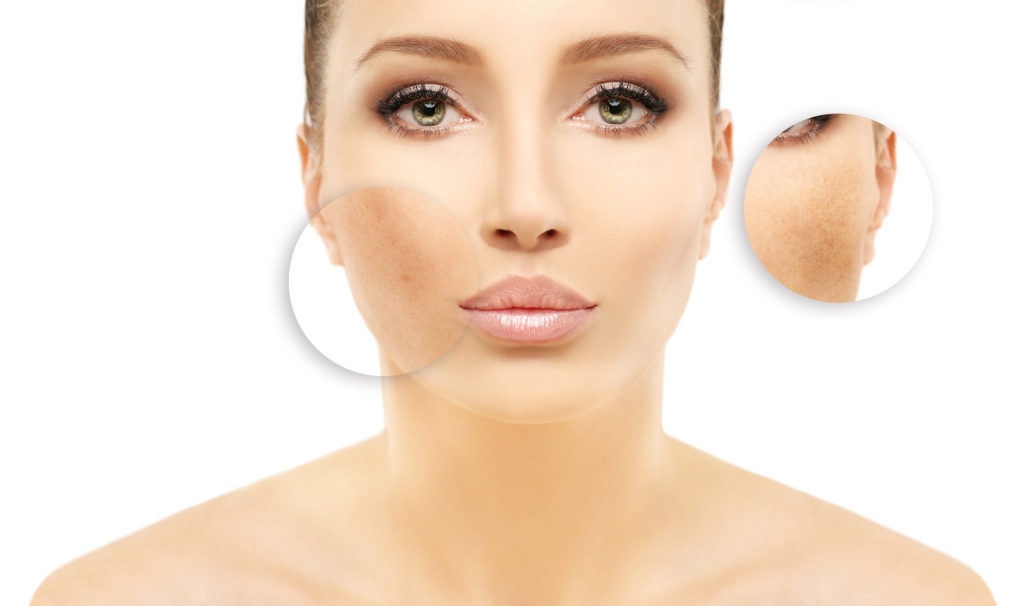
Hyperpigmentation is a common skin concern that develops when certain areas of the skin produce excess melanin, the natural pigment responsible for skin color. It can appear as dark spots, uneven patches, acne marks, sunspots, or larger areas of discoloration. Although it is generally harmless, uneven pigmentation can affect the overall appearance of the complexion and make the skin look dull or uneven. Several factors, including prolonged sun exposure, hormonal changes, inflammation, acne, and aging, can contribute to its development.
Modern Skin Whitening Treatment in Dubai focus on improving uneven pigmentation and creating a more balanced, radiant complexion. Depending on the underlying cause, treatments may involve laser technology, chemical peels, professional skin-brightening procedures, or dermatologist-recommended topical ingredients. The objective is not necessarily to change a person's natural skin color but to address excessive pigmentation and support a more even-looking skin tone.
Choosing an appropriate treatment requires understanding the type of hyperpigmentation, skin sensitivity, and individual aesthetic goals. Professional assessment is particularly important because different pigmentation conditions respond differently to treatment. Some may improve with topical care, while others require carefully selected in-clinic procedures.
Dubai offers several aesthetic centers providing pigmentation-focused services. Exploring their treatment approaches, professional expertise, and consultation processes can help individuals make informed decisions about managing discoloration safely and effectively.
Clinics Offering Treatments for Hyperpigmentation in Dubai
Tajmeels Clinic
Tajmeels Clinic is among the aesthetic centers individuals may consider when exploring professional solutions for uneven skin tone and pigmentation concerns. Addressing hyperpigmentation generally involves identifying whether discoloration is associated with sun exposure, acne marks, hormonal changes, or other skin conditions.
A personalized consultation can help determine whether chemical peels, laser-based procedures, or other skin-rejuvenation options are appropriate. Treatment selection should take skin type and pigmentation depth into account to reduce the possibility of irritation or further discoloration.
For individuals considering Skin Whitening Treatment, understanding the available procedures and their suitability is an important part of making an informed decision.
Enfield Royal Clinic Dubai
Based in Dubai, UAE, Enfield Royal Clinic Dubai specializes in plastic surgery, cosmetic procedures, dermatology, and aesthetic treatments. The clinic offers surgical and non-surgical services, including dermatological and laser-based procedures designed around individual aesthetic needs.
For people concerned about hyperpigmentation, an appropriate treatment plan begins with assessing the skin's condition, pigmentation pattern, and possible contributing factors. Depending on the assessment, suitable options may include selected laser treatments or other professional skin-rejuvenation approaches.
The clinic has DHA-licensed medical professionals and focuses on personalized treatment planning rather than applying the same approach to every patient. This is particularly relevant when considering Skin Whitening Treatment, as pigmentation concerns can vary considerably between individuals and skin types.
Procedure-specific aftercare is also an important part of the treatment process. Patients may receive guidance regarding sun protection, skincare routines, and other measures that support skin recovery and help reduce the risk of recurring pigmentation.
Dynamic Life Clinic
Dynamic Life Clinic is another aesthetic center to explore when researching professional skin treatments in Dubai. Individuals experiencing dark spots, uneven pigmentation, or post-acne marks may benefit from a professional evaluation to understand which procedures are appropriate for their concerns.
Depending on the available services and clinical assessment, pigmentation management may involve chemical exfoliation, laser procedures, or other dermatological approaches. These treatments aim to improve the appearance of discolored areas while considering the surrounding skin.
An individual consultation is valuable because aggressive treatment is not always suitable, particularly for people with sensitive skin or a tendency to develop post-inflammatory hyperpigmentation.
How to Choose the Right Clinic for Skin Whitening Treatment
Selecting an appropriate aesthetic center involves more than comparing treatment options. The clinic's medical expertise, technology, safety practices, and approach to individual care all contribute to a positive treatment experience.
Experience and Qualifications
Choose a clinic with appropriately qualified medical professionals who understand pigmentation disorders and different skin types. Experience in dermatology and aesthetic procedures is particularly valuable when treating melasma, sunspots, and post-inflammatory hyperpigmentation.
Patients should feel comfortable asking about professional qualifications, relevant experience, and the clinical reasoning behind recommended procedures.
Technology and Techniques
Different pigmentation concerns may require different treatment approaches. Laser treatments can target selected pigment deposits, while chemical peels encourage controlled exfoliation of the skin's surface.
Topical ingredients such as vitamin C, niacinamide, azelaic acid, and retinoids may also form part of a dermatologist-recommended skincare routine.
The suitability of each technique depends on pigmentation depth, skin sensitivity, and the possibility of post-treatment irritation. A qualified professional should explain the benefits and limitations of the recommended technology.
Safety Standards
Safety should remain a priority throughout the treatment process. The clinic should follow appropriate hygiene protocols, use suitable equipment, and assess whether a procedure is appropriate for the patient's skin condition.
This is particularly important for darker skin tones, as certain aggressive laser settings and procedures can increase the risk of post-inflammatory hyperpigmentation.
Patients should also receive clear information about potential side effects, recovery expectations, and sun protection.
Consultation Process
A thorough consultation helps establish the underlying cause of discoloration. The professional can examine pigmentation patterns, review skincare habits, discuss medical history, and identify possible triggers.
Some pigmentation conditions, especially melasma, can be influenced by hormonal changes and sunlight. Treating the visible discoloration without addressing these factors may lead to recurring concerns.
A personalized treatment plan should explain the recommended procedure, expected number of sessions, preparation, and aftercare.
Patient Experience
Communication and realistic expectations are important when choosing an aesthetic center. Patients should receive clear explanations rather than promises of immediate or permanent results.
A supportive treatment environment should also allow individuals to discuss discomfort, recovery concerns, and changes in their skin between sessions.
Expected Results of Hyperpigmentation Treatments
Results depend on the type, depth, and cause of pigmentation, as well as the selected treatment method. Superficial dark spots may respond differently from deeper pigmentation conditions such as melasma.
Some people notice gradual improvements after a series of treatments, while others may require a longer-term management plan. Chemical peels can help improve surface discoloration, whereas selected laser procedures may target particular pigment deposits.
It is important to understand that pigmentation treatments do not always eliminate discoloration. Melasma, for example, can return following sun exposure or hormonal changes.
Consistent sun protection is essential for maintaining improvements. Using broad-spectrum SPF 30 or higher, following professional skincare advice, and avoiding unnecessary skin irritation can help reduce the likelihood of new pigmentation developing.
Frequently Asked Questions
Can Skin Whitening Treatment Help Reduce Hyperpigmentation?
Yes, suitable treatments can help improve the appearance of hyperpigmentation by addressing excess melanin and uneven skin tone. Options may include chemical peels, selected laser procedures, and dermatologist-recommended topical ingredients. Results depend on the underlying cause and pigmentation depth.
Which Treatment Is Suitable for Dark Spots and Acne Marks?
Treatment depends on the type of discoloration. Superficial dark spots and post-acne marks may respond to topical brightening ingredients, chemical peels, or selected laser treatments. A professional assessment helps determine the safest option.
How Many Sessions Are Needed to Improve Hyperpigmentation?
There is no fixed number of sessions for everyone. Some individuals may notice improvements after a few treatments, while deeper or recurring pigmentation may require a longer treatment plan. The number of sessions depends on the procedure and individual skin response.
Can Hyperpigmentation Return After Treatment?
Yes. Hyperpigmentation can return, particularly when the original triggers remain. Sun exposure, hormonal changes, and skin inflammation can contribute to recurring discoloration. Consistent sunscreen use and appropriate skincare are important for maintaining results.
Is Skin Whitening Treatment Suitable for Sensitive Skin?
Some treatments may be suitable for sensitive skin, but the procedure and intensity must be selected carefully. Strong chemical peels and certain laser procedures may cause irritation or unwanted pigmentation changes. A dermatologist should assess skin sensitivity before recommending treatment.
Conclusion
Hyperpigmentation can affect the appearance of the complexion, but several professional approaches are available to improve uneven skin tone and visible discoloration. The most suitable option depends on the pigmentation type, skin condition, and individual treatment goals. Rather than focusing on changing natural skin color, effective care should prioritize healthy skin, balanced pigmentation, and realistic aesthetic improvements.
Choosing an experienced aesthetic center, following personalized medical advice, and maintaining consistent sun protection can make a significant difference in managing discoloration. With an appropriate Skin Whitening Treatment plan, individuals can work towards a more even-looking and radiant complexion while prioritizing skin health and long-term care.