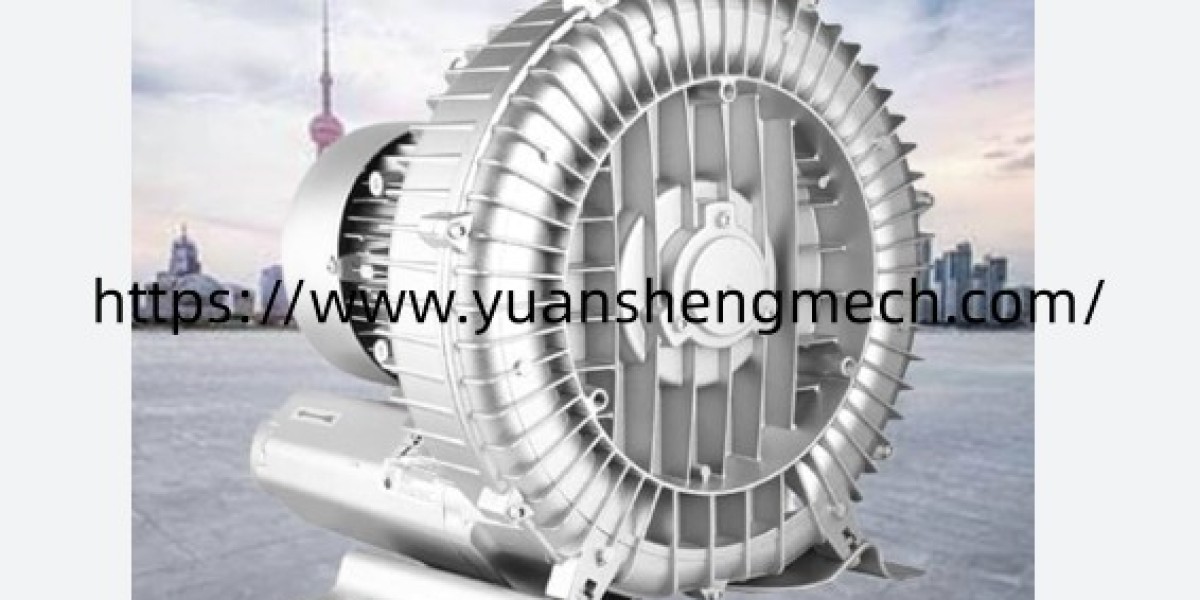

Water movement is an important part of maintaining a well-managed aquaculture pond. Different aeration methods create different patterns of surface activity, and the choice of equipment should reflect the needs of the farming environment. A Surge Wave Pond Aerator is designed around the creation of water movement that produces surface disturbance and encourages interaction between water and air. For aquaculture operators, understanding its materials, mechanical structure, installation requirements, and operating characteristics can help determine whether this approach suits a particular pond.
The materials used in pond aeration equipment must be suitable for continuous outdoor exposure. Moisture, sunlight, temperature changes, and contact with pond water can all influence the condition of external components. Structural materials should provide dependable support, while exposed surfaces need appropriate protection against environmental wear. Metal components may offer useful strength for frames and supporting structures, but their protective finish and manufacturing quality also deserve attention.
Parts that interact directly with water require particular consideration. Their surfaces should be designed to withstand repeated contact and movement without becoming difficult to clean or inspect. Seals, joints, and connecting components also contribute to the overall reliability of the assembly. Buyers should examine how these parts are arranged and protected rather than evaluating equipment only by its outer appearance. A carefully constructed product is easier to assess and maintain as part of a working pond system.
Before purchasing, operators should consider the physical characteristics of the pond. Its shape, shoreline arrangement, water depth, surrounding structures, and existing circulation patterns can influence where an aerator should be installed. Water movement needs to complement the pond's layout instead of creating unnecessary disturbance in a limited area. Buyers should explain their farming conditions to the supplier and discuss the intended position of the equipment before choosing a product.
The purpose of the equipment is another important selection factor. Some farms may want to improve surface movement in areas where water tends to remain relatively still. Others may be reviewing their existing aeration arrangements and looking for a different way to distribute movement across the pond. The correct choice depends on the overall water management plan, not simply on the product category. Reviewing the intended application with a knowledgeable supplier can help buyers avoid selecting equipment that does not match their operational needs.
The operating concept of wave-based aeration focuses on producing movement at the water surface. Mechanical action creates repeated disturbance, helping water move outward and interact with surrounding pond water. This activity can contribute to surface exchange and circulation. The resulting water pattern depends on the equipment's construction, position, and the characteristics of the pond. Operators should therefore observe the actual water movement after installation and assess whether it supports their management objectives.
The mechanical assembly influences how consistently the equipment performs its intended function. The drive system, moving components, supporting frame, and water-contacting parts need to work together. Secure connections and accurate assembly can help reduce unnecessary vibration and support stable operation. Buyers may ask manufacturers how the equipment is assembled, which parts require regular inspection, and how maintenance can be carried out without disrupting other farm activities.
Daily use is shaped by more than the equipment's basic operation. Farm workers need to access the unit for cleaning, inspection, and routine care. A practical arrangement should make important components easy to identify and reach. Pond equipment may also collect organic material or debris during use, so accessible surfaces and straightforward cleaning procedures can make maintenance more manageable. Clear operating instructions are valuable, particularly when several workers share responsibility for the same facility.
The sound and movement produced during operation can influence the surrounding working environment. Equipment should be installed on a stable foundation or support arrangement appropriate to its design. Operators should also consider nearby walkways, feeding locations, and other pond activities when deciding where to position it. A well-planned installation can help reduce interference with routine work while allowing the aerator to perform its intended role.
Design and appearance are closely connected to practical construction. A balanced frame can support an organized arrangement of components, while a protective housing can help shield selected parts from environmental exposure. The equipment should be visually clear enough for workers to recognize inspection points and understand its general layout. A clean external finish is useful, but buyers should give greater attention to structural quality, component accessibility, and suitability for the pond environment.
Manufacturers also play an important role in helping customers evaluate equipment. Buyers may need guidance on installation, maintenance, water movement expectations, and compatibility with existing pond systems. Product discussions should include the characteristics of the farming site and the daily tasks performed by operators. Reviewing these details before ordering can make the purchasing process more practical and help establish clear expectations about equipment use.
Taizhou Yuansheng Aquaculture Machinery Co., Ltd. operates in the aquaculture machinery sector and serves businesses involved in aquatic farming operations. When considering wave-based pond aeration equipment, farm operators can discuss their pond layout, water management objectives, and maintenance arrangements with the company to explore suitable product options. Further information about its aquaculture machinery and product range is available at https://www.yuanshengmech.com/.