
Facial warts are small skin growths that can develop on the forehead, cheeks, chin, nose, or around the mouth. They are usually harmless, but their visible location can affect a person's confidence and make everyday skincare more challenging. Since facial skin is delicate and sensitive, removing these growths requires careful consideration and an appropriate treatment approach. People considering Warts Removal Treatment in Riyadh often want to know whether facial warts can be removed safely, which methods are suitable, and how to avoid unwanted marks or irritation.
Yes, facial warts can often be removed safely when they are correctly diagnosed and treated by a qualified healthcare professional. The most appropriate method depends on the wart's type, size, location, and the patient's skin condition. Treatments may include carefully selected topical therapies, cryotherapy, laser treatment, or other medical procedures. Warts Removal Treatment in Riyadh should begin with a professional skin assessment because not every facial growth is a wart, and some removal methods may cause pigmentation changes or scarring if used incorrectly.
What Are Facial Warts and Why Do They Develop?
Facial warts are non-cancerous skin growths associated with certain types of human papillomavirus (HPV). The virus can enter the skin through tiny cuts, scratches, or other minor breaks in its protective barrier. Once the infection develops, small growths may appear on different areas of the face.
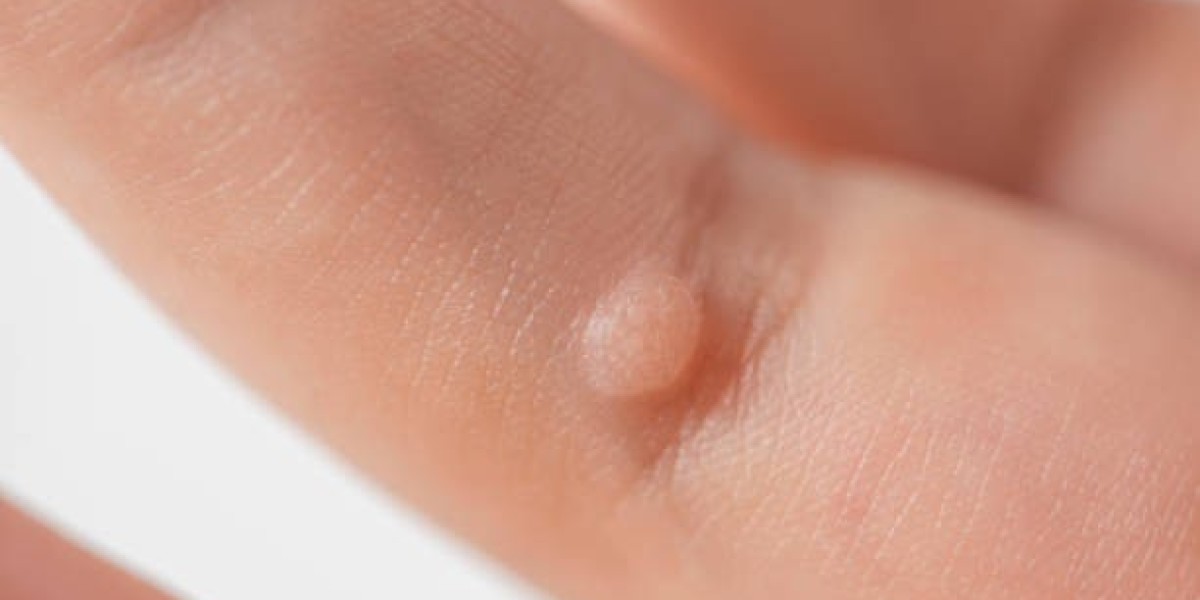
Facial warts can have different appearances depending on their type. Some are flat and smooth, while others may be slightly raised or have a rough surface. They can also appear in groups, particularly when the virus spreads to nearby skin.
Can Facial Warts Be Removed Without Damaging the Skin?
In many cases, facial warts can be treated while minimising damage to the surrounding skin. However, no procedure is completely free from risks. The face contains delicate skin, and treatment must be selected carefully to reduce the possibility of scarring, irritation, or changes in pigmentation.
A professional assessment helps determine whether removal is necessary and which method may be appropriate. The healthcare professional considers the wart's location, depth, size, skin sensitivity, and the patient's history of previous treatments. Patients should avoid cutting, squeezing, freezing, or applying strong chemical wart removers to facial growths at home.
What Are the Different Treatment Options for Facial Warts?
Laser Wart Removal
Laser treatment uses focused energy to target wart tissue. It may be considered for selected facial warts, particularly when other treatments have not been effective or are unsuitable. The method and settings are selected according to the growth and surrounding skin.
Temporary redness, swelling, tenderness, or pigmentation changes may occur after treatment. The healthcare professional will explain the expected healing process and whether additional sessions may be required.
Cryotherapy
Cryotherapy uses liquid nitrogen to freeze wart tissue. It is an established treatment for certain types of warts, but it must be used carefully on facial skin. Blistering, redness, temporary pigment changes, and scarring are possible side effects.
Because facial skin is sensitive, a professional must decide whether freezing is suitable for the specific wart and its location.
Prescription Topical Treatments
Certain prescription treatments may help manage some types of facial warts. These products work in different ways, such as supporting the removal of affected skin cells or influencing the local immune response.
Not every topical wart treatment is appropriate for the face. Strong over-the-counter products, especially those containing salicylic acid in concentrations intended for thicker skin, should not be applied to facial growths unless a healthcare professional specifically recommends them.
Minor Surgical Removal
In selected cases, a healthcare professional may recommend removing a facial wart through a minor procedure. This may be considered for particular growths depending on their size, location, and previous treatment response. Since surgical removal can leave a mark, the potential benefits and risks should be discussed beforehand.
Which Facial Areas Require Extra Care During Wart Removal?
Some areas of the face need particularly careful treatment because of their sensitivity and proximity to important structures.
Around the eyes: Growths near the eyelids require careful assessment to protect the eyes and surrounding tissue.
Nose: The skin around the nose can be sensitive, so treatment should be selected cautiously.
Lips and mouth: Growths near the lips should be examined before removal because not all lesions in this area are ordinary warts.
Cheeks and forehead: These areas may be suitable for selected treatments, but skin tone and scarring risks should still be considered.
A professional examination helps identify the safest approach for each location.
What Are the Possible Side Effects of Facial Wart Removal?
Like other skin procedures, facial wart removal may cause temporary side effects. These can include redness, swelling, tenderness, blistering, crusting, or mild discomfort. Some patients may also experience temporary darkening or lightening of the treated skin.
Less commonly, infection, persistent pigmentation changes, or scarring may occur. The likelihood depends on the treatment method, depth of the procedure, skin characteristics, and aftercare. Contact a healthcare professional if you notice increasing pain, spreading redness, unusual discharge, or delayed healing.
How Should You Care for Your Skin After Facial Wart Removal?
Proper aftercare is important for protecting delicate facial skin and supporting recovery. Follow the instructions provided by your healthcare professional, as recommendations may differ depending on the procedure.
Keep the Treated Area Clean
Gently clean the area as instructed and avoid rubbing or scrubbing the treated skin. Use only recommended skincare products while the area heals.
Avoid Picking or Scratching
Do not remove scabs, squeeze blisters, or scratch the treated area. Allow the skin to recover naturally to reduce the risk of infection and scarring.
Protect Your Skin From Sun Exposure
Healing skin can be more vulnerable to irritation and pigmentation changes. Follow professional advice about sun protection and use a suitable sunscreen once the treated area can tolerate it.
Avoid Strong Skincare Products
Temporarily avoid irritating products such as exfoliating acids, retinoids, and harsh scrubs on the treated area unless your healthcare professional advises otherwise.
When Should You Seek Professional Assessment for Facial Warts?
Consider professional evaluation if a facial growth spreads, becomes painful, bleeds, changes in appearance, or does not respond to appropriate treatment. You should also seek assessment before removing any unusual growth near the eyes, lips, or other sensitive areas.
Some skin conditions can resemble warts, so confirming the diagnosis is important. Professional Warts Removal Treatment in Riyadh can help determine whether a growth is suitable for removal and which treatment may offer an appropriate balance between effectiveness and skin safety.
Book Your Facial Wart Removal Consultation at Royal Clinic Saudia
Facial skin deserves careful attention when treating unwanted growths. Royal Clinic Saudia can assess your skin concern, discuss suitable wart removal options, and explain the possible benefits, risks, and recovery requirements. Schedule a consultation to receive professional guidance based on your skin type and individual needs.
FAQs:
Can facial warts be removed without leaving scars?
Many facial warts can be treated with the aim of minimising scarring, but no method can guarantee a mark-free result. The risk depends on the treatment technique, wart depth, location, and individual healing response.
Is laser treatment suitable for facial warts?
Laser treatment may be suitable for selected facial warts. A healthcare professional should examine the growth and surrounding skin before recommending this method.
Can I use an over-the-counter wart remover on my face?
You should not use ordinary wart-removal products on facial skin without professional advice. Some ingredients can cause burns, irritation, or pigmentation changes.
How long does facial skin take to heal after wart removal?
Healing time varies depending on the procedure and the size and location of the wart. Mild reactions may improve within days, while treated areas involving blistering or deeper tissue may take several weeks to recover.