
A dependable supply chain is essential for companies operating across drilling, production, processing, and transportation activities. Equipment shortages, delayed orders, and inconsistent product quality can affect project schedules and create additional procurement challenges. Experienced oil and gas equipment suppliers in uae can help businesses coordinate sourcing requirements, identify suitable components, and establish more organized purchasing arrangements.
However, supply chain reliability does not depend on purchasing equipment from a single source. It involves supplier communication, technical understanding, quality management, inventory planning, and the ability to respond to changing operational requirements. Businesses that manage these areas together can create a more consistent procurement process.
Why Supply Chain Coordination Matters in Oil and Gas
Oil and gas operations depend on different categories of equipment throughout their activities. Drilling and completion require components suited to their intended applications, while production and processing facilities need equipment that supports their operational requirements. Transportation, storage, refining, and petrochemical activities also depend on appropriate equipment procurement.
These requirements make supply chain coordination an important responsibility for procurement departments. When purchasing activities are not properly organized, businesses may experience unnecessary delays, duplicated orders, or difficulties obtaining specialized components.
Consider a project that requires several equipment items before scheduled work can begin. If procurement teams concentrate only on the availability of individual products, they may overlook how delivery dates affect the overall project. A component arriving late could delay related activities even when the remaining equipment is already available.
A coordinated approach starts with identifying project requirements and organizing purchases according to operational priorities.
Companies should establish clear communication between procurement personnel, technical teams, and suppliers. Technical departments can confirm equipment specifications, while purchasing teams coordinate quotations, orders, and delivery expectations. This shared process helps reduce misunderstandings and makes purchasing decisions more consistent.
Supply chain management also supports better visibility. When businesses maintain records of pending orders, required quantities, and expected delivery dates, they can identify possible shortages earlier and take appropriate action.
Developing Strong and Dependable Supplier Relationships
A supplier relationship should be evaluated over time rather than judged only by the price of an individual order. Consistent communication and an understanding of project requirements can help businesses establish more reliable procurement arrangements.
Genesis-MFG identifies strategic supplier partnerships as an important part of equipment sourcing. Its approach highlights several areas where cooperation can create value, including cost efficiency, quality, innovation, flexibility, risk management, and sustainability.
For procurement teams, these benefits become practical when suppliers understand the company's recurring requirements and communicate changes promptly.
When assessing oilfield equipment suppliers in uae, businesses should consider whether suppliers can support ongoing requirements and respond effectively to procurement challenges.
A structured supplier relationship can include:
Clearly defined product specifications and purchasing expectations.
Regular communication about orders and delivery schedules.
Performance reviews covering quality, cost, and responsiveness.
Discussions about changing operational and material requirements.
Cooperation when addressing supply interruptions or procurement difficulties.
Supplier segmentation is another useful practice. Companies can classify suppliers according to their importance, contribution, and performance. This helps procurement departments determine where closer coordination is necessary.
Contract management also deserves attention. Clear agreements should explain responsibilities, expectations, commercial terms, and delivery conditions. When both parties understand their obligations, there is less room for confusion during the purchasing process.
Maintaining Quality and Managing Procurement Risks
Supply chain reliability is closely connected to equipment quality. A product that arrives on schedule may still create problems if its material, dimensions, or manufacturing characteristics do not match the required specifications.
For this reason, procurement teams should establish quality expectations before confirming orders. They should communicate the intended equipment application, required technical details, and relevant documentation requirements.
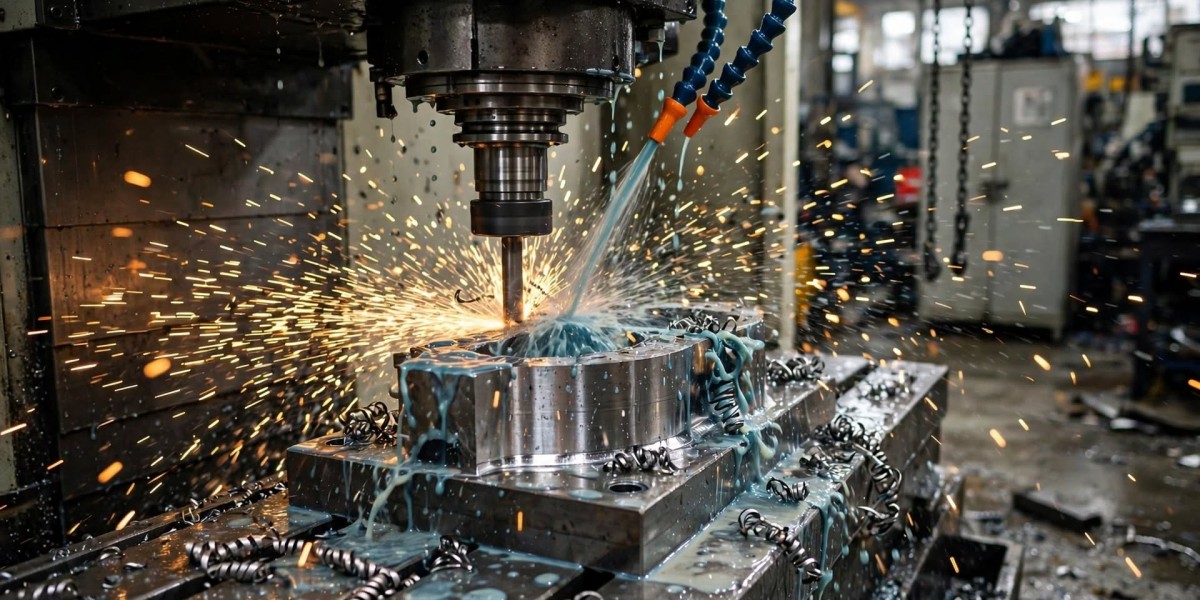
Manufacturing capability can also influence sourcing decisions. Genesis-MFG describes the use of CNC machines and related tools to produce required parts. CNC machining is relevant when industrial components need to meet specified dimensional requirements.
The company also identifies API Q1 and ISO 9001 certifications as part of its quality credentials. These provide useful information when evaluating its manufacturing and quality management background, although buyers should confirm the specific documentation and compliance requirements applicable to each order.
Risk management should be integrated into purchasing activities rather than treated as a separate task after a problem occurs.
Common procurement risks include:
Supply chain interruptions that affect expected delivery schedules.
Quality issues involving purchased or manufactured components.
Unclear technical specifications that create ordering errors.
Changes in market conditions that affect purchasing arrangements.
Dependence on limited sourcing options for specialized requirements.
Businesses can address these risks through supplier evaluation, accurate purchasing records, alternative sourcing arrangements, and regular communication. Maintaining appropriate safety stock for essential components may also help reduce the effect of unexpected supply interruptions.
Improving Procurement Efficiency Through Planning
An effective procurement strategy connects immediate equipment requirements with longer-term operational planning. Instead of responding to every purchasing need separately, companies should review their expected requirements and organize procurement activities in advance.
Demand forecasting can help purchasing departments estimate which components may be required during upcoming project stages. Inventory records provide information about available quantities, while delivery tracking helps identify orders that may not arrive according to schedule.
Maintenance planning is equally important. Regular equipment inspections can reveal components that may require replacement or upgrading. When these requirements are identified early, procurement teams have more time to compare suppliers, confirm specifications, and organize purchasing.
Businesses should also review the performance of their sourcing arrangements. Useful measures include delivery consistency, product conformity, purchasing costs, and supplier responsiveness. Reviewing these areas after completed orders helps identify weaknesses and improve future procurement decisions.
Long-term planning should also consider flexibility. Operational requirements may change, and procurement teams need suppliers capable of discussing different quantities, component specifications, and sourcing arrangements.
Genesis-MFG combines equipment sourcing with manufacturing-related capabilities, including CNC machining and custom industrial part production. This connection is relevant when businesses need procurement support alongside the production of required components.
Companies evaluating oil and gas equipment suppliers in uae should therefore look at the complete sourcing process, from understanding technical requirements to coordinating supply and reviewing completed orders.
Conclusion
Reliable oil and gas procurement requires more than finding available products. It depends on organized supply chain management, clear supplier communication, manufacturing quality, risk assessment, and forward planning. Businesses that pay attention to these areas can improve purchasing coordination and prepare more effectively for changing equipment requirements.
Working with experienced oilfield equipment suppliers in uae can support these objectives through equipment procurement, supplier coordination, and access to relevant manufacturing capabilities. Genesis-MFG offers equipment sourcing services alongside CNC machining capabilities and identifies API Q1 and ISO 9001 certifications among its quality credentials. Companies can review its sourcing services and discuss their equipment requirements to determine an appropriate procurement approach.
FAQs
What makes an oil and gas supply chain reliable?
A reliable supply chain combines accurate equipment specifications, consistent supplier communication, quality management, organized inventory records, and coordinated delivery schedules.
How do supplier partnerships improve procurement?
Strong partnerships support better communication, purchasing coordination, quality improvement, flexibility, and preparation for potential supply interruptions.
Why is supplier performance monitoring important?
Monitoring helps businesses evaluate delivery consistency, product quality, cost management, and responsiveness, providing useful information for future purchasing decisions.
How can companies reduce equipment procurement risks?
They can review supplier capabilities, establish clear specifications, maintain accurate purchasing records, diversify sourcing options, and plan for essential equipment requirements.









