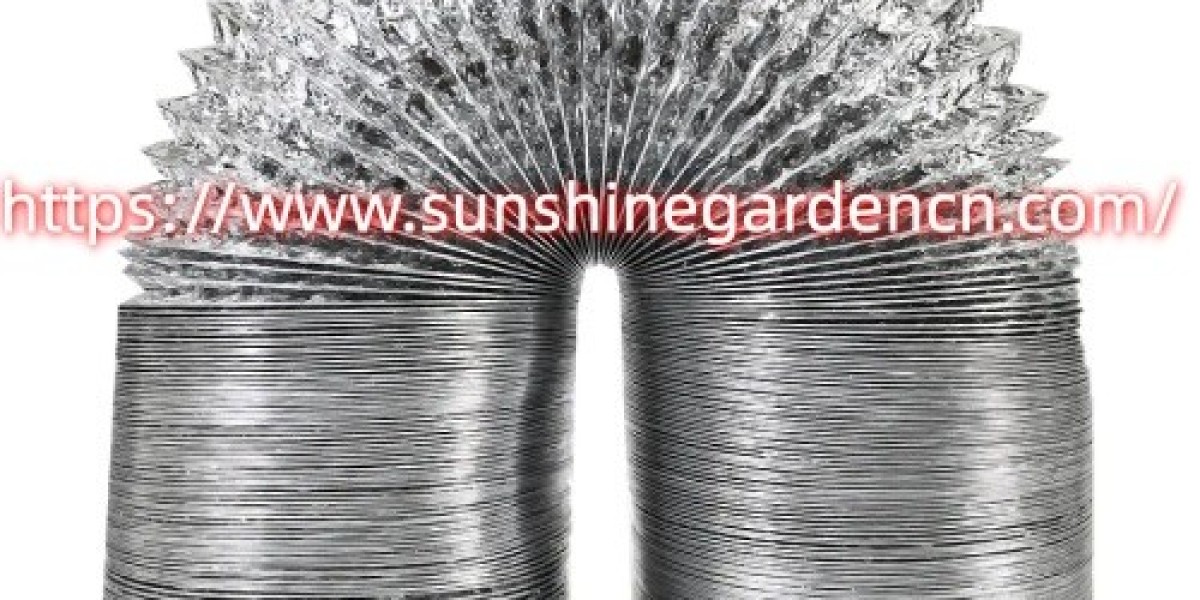

Other Ventilation has become an interesting subject for indoor gardening enthusiasts, greenhouse operators, and businesses involved in cultivation equipment. As indoor growing spaces become more diverse, people are paying greater attention to how air moves around plants, equipment, and enclosed areas. A well-planned environment involves more than lighting and watering. Air circulation, equipment placement, material selection, and maintenance all contribute to the way a growing space operates.
One common question among indoor growers is why air movement deserves so much attention. In an enclosed environment, air may not circulate naturally in the same way it does outdoors. Certain corners can experience limited movement, while areas close to equipment may have different environmental conditions. Fans and related accessories can help distribute air throughout the space, supporting a more consistent environment for daily cultivation activities.
The construction of ventilation equipment is another factor worth considering. Materials influence product weight, durability, cleaning requirements, and suitability for different surroundings. Metal structures are often considered for their rigidity, while plastic components can offer flexibility in product design and installation. Buyers should examine the construction according to the intended application rather than choosing products based on appearance alone.
Different installation environments also create different purchasing requirements. A home growing tent may have limited space and require compact equipment that can fit around lighting systems and plant containers. Commercial cultivation rooms may involve more complicated layouts, where multiple components need to work together. Greenhouses, workshops, and other enclosed facilities also have their own air circulation considerations.
Before selecting equipment, buyers can begin by observing the structure of the intended space. The location of doors, windows, shelves, growing containers, and electrical connections may influence installation decisions. Understanding these details makes it easier to plan where fans and connecting accessories should be positioned. It also helps avoid purchasing components that do not fit the actual layout.
Product compatibility is particularly relevant when several accessories are involved. Fans, ducting, filters, connectors, and mounting components may serve different purposes within an installation. Their dimensions, connection styles, and material characteristics should be considered together. A coordinated selection process can simplify installation and reduce unnecessary adjustments during setup.
Another subject attracting attention is the relationship between equipment design and everyday convenience. Growers often need to inspect, clean, reposition, or replace components as their spaces change. Products with accessible structures and straightforward connections can make these tasks easier to manage. Maintenance should not be treated as an afterthought because accumulated dust and debris may affect equipment operation over time.
Noise is also worth considering, especially when equipment is installed in residential areas or near working spaces. Buyers may compare product construction, fan placement, and installation methods to find an arrangement that suits their surroundings. A practical setup should consider both the intended airflow and the experience of people using the space.
Modern indoor cultivation also encourages more thoughtful space planning. Grow lights, shelves, irrigation equipment, and plant containers all occupy valuable room. Their positions can influence how air travels through the environment. Keeping pathways accessible and avoiding unnecessary obstructions can make the overall arrangement easier to maintain. This is particularly relevant for growers who regularly adjust their layouts according to different planting stages.
For wholesalers and distributors, product selection involves additional considerations. Customers may come from different markets and require equipment for various installation environments. A supplier with related product categories can make sourcing discussions more convenient, especially when buyers are looking to coordinate several components within one purchasing plan. Clear communication about application requirements, product materials, and customization possibilities can also help establish suitable cooperation.
Sunshine focuses on gardening and hydroponic equipment, offering product categories for customers involved in indoor cultivation and related applications. Its range includes equipment and accessories that can support different growing space arrangements. By considering the intended environment and the relationship between individual components, buyers can make more informed decisions when planning their product selections.
Creating a manageable indoor growing environment requires attention to several connected details. Material characteristics, installation flexibility, component compatibility, and regular maintenance all influence the purchasing process. For distributors, retailers, and cultivation equipment buyers, choosing products according to actual project requirements can make sourcing more organized. Sunshine provides a range of gardening and hydroponic products for these applications, and interested buyers can review its available categories at https://www.sunshinegardencn.com/product/ when considering equipment for upcoming projects.