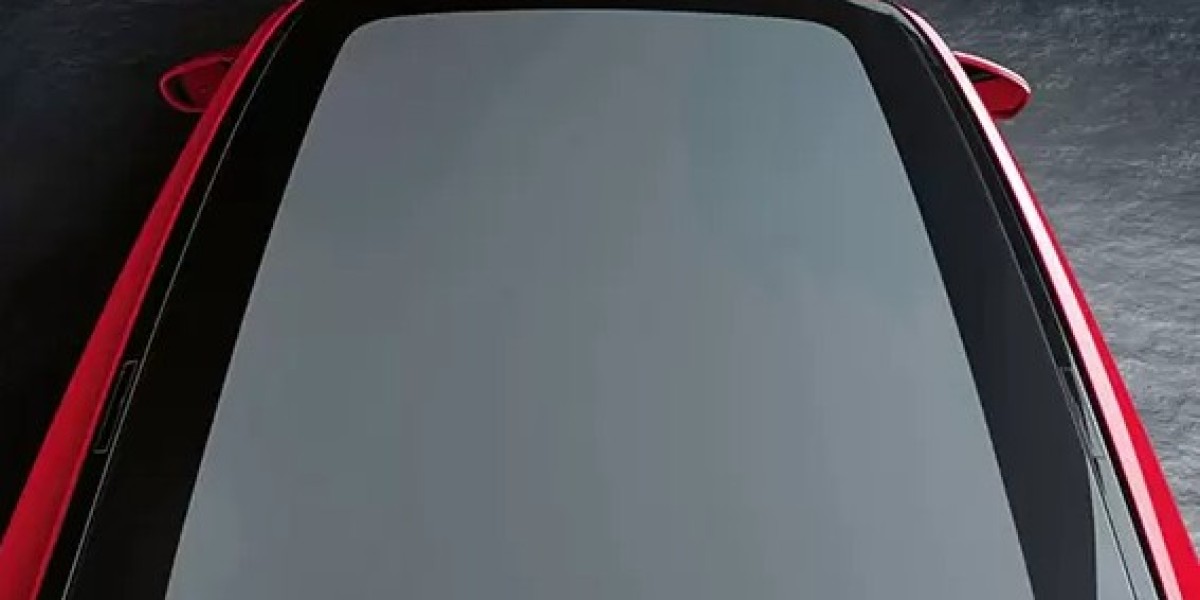

Automotive smart film is becoming an increasingly popular solution for drivers, automakers, and vehicle modification professionals seeking flexible privacy, improved comfort, and a modern glass appearance. Among the available options, white and black automotive smart film are two of the most common choices. Although both use switchable technology, they offer different optical effects, privacy levels, and application advantages.
Choosing the right film depends on the glass position, visibility requirements, privacy expectations, and the vehicle's overall design.
Understanding White and Black Smart Film
Both white and black automotive smart films typically use PDLC (Polymer Dispersed Liquid Crystal) technology. When power is applied, liquid crystal molecules align to allow light to pass through, creating a transparent appearance. When power is switched off, the film becomes frosted and diffuses light, providing privacy.
The key difference lies in the film's color layer. White smart film focuses on light diffusion and maintaining a bright interior, while black smart film combines light scattering with absorption to create a darker, more private appearance.
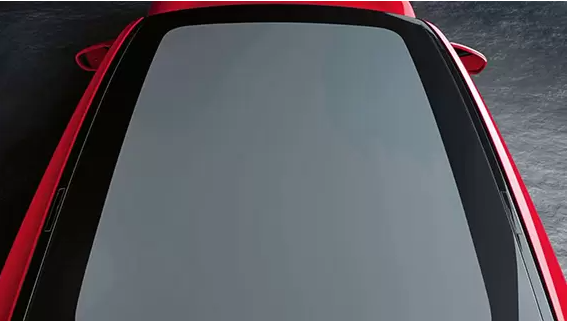
Benefits of White Automotive Smart Film
White automotive smart film is ideal for applications where daylight and cabin openness are important. Its bright frosted state diffuses direct sunlight while allowing natural light to enter, helping create a more comfortable interior environment.
With listed visible light transmittance above 83%, white smart film is particularly suitable for panoramic sunroofs, RV windows, and vehicle glass where visibility and brightness are priorities. It can also reduce glare and replace traditional mechanical sunshades, helping save space in modern vehicle designs.
Benefits of Black Automotive Smart Film
Black automotive smart film is designed for users who prioritize privacy and a premium appearance. Its dark frosted state helps conceal passengers and interior contents more effectively than standard white PDLC film, making it a practical option for executive vehicles, rear side windows, partitions, and privacy-focused vehicle modifications.
The black variant has a listed visible light transmittance of 35%, offering a darker visual effect. However, its suitability for installation depends on local vehicle window regulations and the specific glass position.
Key Differences and Application Scenarios
White smart film is generally better for panoramic roofs, passenger areas, and living spaces where natural light is preferred. Black smart film is more suitable for rear glazing, executive partitions, and areas requiring stronger visual privacy.
For electric vehicles, smart film can also support cabin comfort by reducing direct sunlight and glare. However, color alone does not determine heat rejection. Infrared-blocking coatings and the complete glazing structure play a more important role in thermal performance.
How to Choose the Right Automotive Smart Film
Before purchasing, consider the following factors:
Visibility: Choose white film for a brighter interior and black film for a darker appearance.
Privacy: Black film offers stronger concealment, especially when the cabin is illuminated at night.
Glass position: Roof glass, rear windows, and partitions have different requirements.
Regulations: Always check local VLT requirements before installation.
Customization: Consider control systems, patterns, independent switching zones, and curved-glass compatibility.
Final Thoughts
White and black automotive smart film serve different purposes rather than competing directly. White film emphasizes daylight, openness, and glare diffusion, while black film provides a darker appearance and enhanced privacy. The best choice depends on the vehicle's design, glass location, and intended use.
By evaluating visibility, privacy, regulations, and thermal performance together, vehicle manufacturers and buyers can select an automotive smart film solution that delivers the right balance of comfort, functionality, and style.