
Introduction
Starting a fertility journey can bring a mixture of hope, questions, and uncertainty. For couples considering Intrauterine Insemination (IUI), understanding the body's natural reproductive cycle is an important first step.
Ovulation plays a central role in IUI because the procedure must be carefully timed around the release of an egg. Even when other fertility factors are favourable, timing can influence the opportunity for sperm and egg to meet.
Understanding ovulation, recognising cycle changes, and attending timely fertility assessments can help couples make informed decisions about treatment.
What Is Ovulation and Why Is It Important?
Ovulation is the process in which a mature egg is released from one of the ovaries. It usually occurs once during a menstrual cycle, although the timing can vary between women and from one cycle to another.
After release, the egg generally remains capable of fertilisation for approximately 12–24 hours. Sperm can survive in the female reproductive tract for several days under favourable conditions.
This difference in survival time makes timing particularly important when planning IUI. The goal is to place prepared sperm inside the uterus close to ovulation, increasing the opportunity for fertilisation.
How Does Ovulation Influence IUI Treatment?
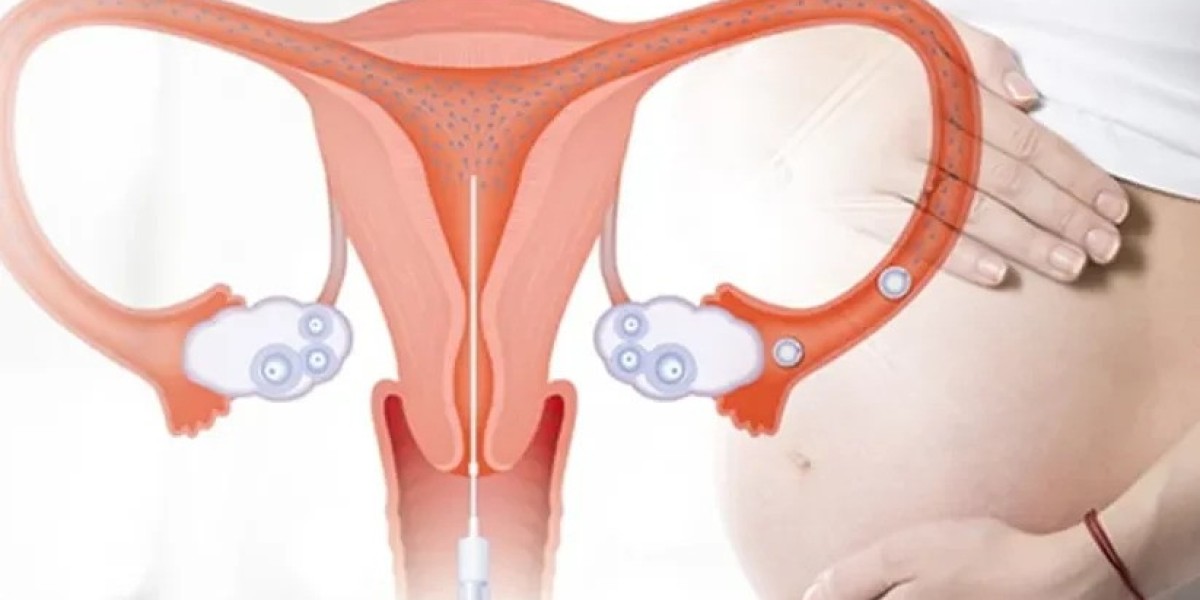
Intrauterine Insemination is a fertility procedure in which specially prepared sperm are placed directly into the uterus using a thin catheter. This helps sperm reach the reproductive tract more directly.
For the procedure to be appropriately timed, fertility specialists monitor the development of ovarian follicles. A follicle is a small fluid-filled structure in the ovary that contains a developing egg.
When a follicle reaches an appropriate stage of development, the doctor estimates when ovulation is likely to occur. IUI is then scheduled according to the natural ovulation pattern or following a medically advised trigger injection.
Careful coordination helps ensure that sperm are available in the reproductive tract around the time the egg is released.
Signs That May Indicate Ovulation
Some women notice physical changes around ovulation, while others experience no noticeable symptoms. Recognising these changes can help women understand their menstrual cycles.
Common signs include:
Changes in cervical mucus: Discharge may become clear, slippery, and stretchy, resembling raw egg white.
Mild pelvic discomfort: Some women experience temporary pain or a slight pulling sensation on one side of the lower abdomen.
Breast tenderness: Hormonal fluctuations may cause temporary breast sensitivity.
Increased sexual desire: Some women notice changes in libido around their fertile window.
Basal body temperature changes: A slight rise in resting body temperature may occur after ovulation.
Although these signs can provide useful information, they cannot confirm ovulation with certainty. Medical monitoring and appropriate fertility tests offer more reliable guidance when planning IUI.
Why Follicle Monitoring Matters Before IUI
Follicle monitoring is an important part of many IUI treatment cycles. It usually involves transvaginal ultrasound scans that help doctors assess follicle growth and the development of the uterine lining.
Depending on individual circumstances, blood tests may also be recommended to evaluate hormone levels.
Monitoring helps fertility specialists understand whether the follicles are developing appropriately and estimate the likely time of ovulation. It also helps identify situations where treatment timing or medication may need adjustment.
For couples seeking the Best IUI Treatment, individualised monitoring can support better-informed clinical decisions rather than relying only on calendar-based predictions.
What Happens If IUI Timing Is Incorrect?
If insemination takes place too early or too late in relation to ovulation, the opportunity for sperm and egg to meet may be reduced.
However, an unsuccessful IUI cycle does not automatically mean that timing was the only issue. Several factors can influence the outcome, including:
Egg quality and age-related fertility changes.
Sperm count, movement, and overall quality.
Fallopian tube health.
Uterine and endometrial health.
Underlying hormonal or ovulatory conditions.
A fertility specialist may review these factors before recommending another cycle or considering alternative treatment options.
How Can Women Prepare for Better Ovulation Monitoring?
Preparing for IUI involves understanding personal health patterns and following the treatment schedule recommended by the fertility team.
Some helpful steps include:
Track menstrual cycles: Record the first day of each period and note any changes in cycle length.
Attend scheduled scans: Follow the recommended ultrasound monitoring schedule.
Report unusual symptoms: Inform the doctor about irregular periods, pelvic pain, or unexpected bleeding.
Follow medication instructions: Take prescribed fertility medicines and trigger injections only as directed.
Maintain healthy habits: Prioritise balanced nutrition, adequate sleep, and moderate physical activity.
Ask questions: Discuss scan results, expected ovulation timing, and the next steps with the fertility specialist.
These habits can help women participate more confidently in treatment planning.
When Should You Seek Fertility Advice?
Women with irregular menstrual cycles, suspected ovulation problems, or difficulty conceiving may benefit from a fertility evaluation.
Generally, medical advice is recommended after 12 months of regular, unprotected intercourse without pregnancy for women under 35, and after six months for women aged 35 or older.
Women over 40 or those with known fertility concerns may benefit from seeking advice earlier.
Early assessment can help identify possible causes of difficulty conceiving and guide suitable treatment decisions. It is important to remember that not every woman requires IUI, as the recommended approach depends on individual fertility findings.
Conclusion
Ovulation is one of the most important factors in planning IUI because the timing of insemination needs to align with the egg's release. Understanding menstrual patterns, recognising possible ovulation signs, and attending regular follicle monitoring can help couples approach fertility treatment with greater clarity.
Choosing the Best IUI Treatment in Chennai involves more than scheduling a procedure. It requires appropriate evaluation, individualised planning, medical guidance, and emotional support throughout the journey.
Firm Hospital provides the best service in Chennai through its focus on women's healthcare and patient-centred care. For couples exploring fertility options, seeking timely medical advice and understanding each stage of treatment can make the journey towards parenthood more informed and supported.