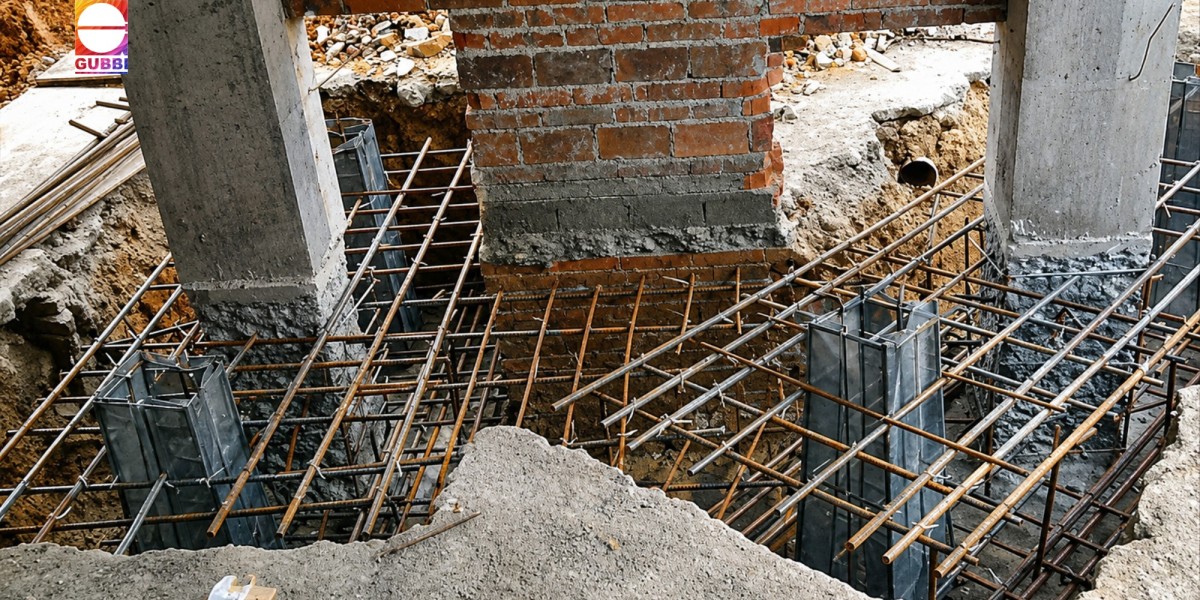

Structural repair services focus on restoring damaged or deteriorated structural elements so that existing buildings and infrastructure can continue performing their intended function. Concrete cracks, spalling, reinforcement corrosion, weakened columns, damaged beams, and deteriorated slabs can affect structural performance when left untreated. Repair work should therefore begin with understanding the cause and extent of damage rather than applying a surface treatment without investigating the underlying structural condition.
Why Existing Structures Need Structural Repairs
Existing structures can deteriorate because of ageing, moisture exposure, corrosion, chemical attack, repeated loading, construction deficiencies, environmental conditions, or changes in usage. Industrial and commercial facilities may experience additional stresses because of machinery, vibration, heavy equipment, and operational demands. When deterioration becomes visible, early investigation can help determine whether the structure needs concrete repair, rehabilitation, strengthening, waterproofing, corrosion treatment, or a combination of different interventions based on its actual condition.
Signs That a Structure Requires Repair
Several visible conditions can indicate that structural repair services may be required. These include cracks in beams or columns, concrete spalling, exposed reinforcement, rust staining, damaged concrete cover, excessive deflection, deteriorated joints, and recurring water-related deterioration. However, the appearance of a crack alone does not establish its severity. Engineers need to examine its location, width, pattern, movement, and possible cause before deciding whether localized repair, strengthening, monitoring, or further investigation is necessary.
Structural Assessment Before Repair
A proper structural repair project begins with assessment rather than immediately selecting a repair material. Inspection can identify damaged members, deterioration patterns, reinforcement exposure, moisture-related problems, and areas requiring further investigation. Depending on project requirements, engineers may review available drawings, conduct condition mapping, examine concrete and reinforcement, and evaluate existing loads. This information helps structural repair contractors develop a repair methodology that addresses the actual condition instead of treating only visible symptoms.
Concrete Repair for Damaged Structures
Concrete repair is one of the most common requirements within structural rehabilitation projects. Damaged concrete may result from corrosion, impact, poor-quality construction, chemical exposure, water ingress, or prolonged environmental deterioration. Repair generally requires removal of unsound material, preparation of the remaining concrete, treatment of reinforcement where necessary, and reinstatement using an appropriate repair material. The repair system should be compatible with the existing substrate and selected according to the exposure and performance requirements of the structure.
Repairing Cracks in Concrete
Cracks can occur for different reasons, including shrinkage, thermal movement, structural loading, settlement, corrosion, and other forms of distress. Consequently, there is no single crack repair method suitable for every situation. Depending on the crack characteristics, treatment may involve sealing, routing and filling, epoxy injection, polyurethane injection, or structural strengthening. Identifying whether the crack is active, dormant, structural, or non-structural helps determine the appropriate repair strategy and prevents unsuitable surface-level treatment.
Reinforcement Corrosion and Concrete Spalling
Reinforcement corrosion is a major cause of deterioration in reinforced concrete structures. As steel reinforcement corrodes, expansive products can create internal pressure within the surrounding concrete, leading to cracking, delamination, and eventual spalling. Structural repair services for corrosion-affected members may involve removing deteriorated concrete, cleaning reinforcement, applying suitable protective treatment, restoring the concrete section, and addressing the moisture or environmental conditions contributing to corrosion.
Importance of Concrete Surface Preparation
Surface preparation has a direct influence on the performance of many structural repair systems. Loose concrete, dust, laitance, contaminants, old coatings, and unsound material can interfere with bonding between the existing substrate and repair material. Depending on the condition, preparation may involve mechanical cleaning, chipping, grinding, or other suitable techniques. Proper preparation creates a sound surface for repair and helps ensure that the new material can perform effectively as part of the restored structural element.
Polymer Modified Mortar for Concrete Repair
Polymer modified mortar can be used for selected concrete repair applications where improved adhesion, reduced permeability, and controlled application characteristics are required. It may be suitable for restoring damaged concrete sections after proper substrate preparation and reinforcement treatment. The choice of repair mortar should consider repair depth, exposure conditions, compatibility, curing requirements, and the surrounding concrete. Material selection should always follow the repair specification rather than relying solely on general product characteristics.
Micro Concrete for Structural Repairs
Micro concrete can be considered where conventional concrete placement is difficult because of restricted access, congested reinforcement, or complicated member geometry. Its flowability allows it to occupy prepared spaces around reinforcement and within suitable formwork. It can be used in selected structural repair and jacketing applications where controlled placement is required. Successful application still depends on proper surface preparation, reinforcement detailing, formwork, material handling, placement procedures, curing, and inspection throughout the repair process.
Guniting and Shotcreting for Rehabilitation
Guniting and shotcreting are useful techniques for selected structural repair and rehabilitation applications, particularly where access or surface geometry makes conventional concrete placement challenging. Cementitious material is pneumatically projected onto the prepared surface to form a repair layer. These methods can be considered for deteriorated concrete surfaces, strengthening applications, and restoration work when properly designed. Surface preparation, reinforcement arrangement, application thickness, rebound control, curing, and workmanship are important factors affecting the final repair quality.
Structural Repair of Columns
Columns are critical load-bearing members, so deterioration or damage should be investigated carefully before repair. Column repair may involve concrete restoration, reinforcement treatment, crack repair, jacketing, or another strengthening method depending on the structural deficiency. Where the existing column has lost capacity or requires additional load resistance, repair alone may not be sufficient. In such situations, structural strengthening techniques such as RCC jacketing, micro concrete jacketing, steel jacketing, or composite strengthening may be evaluated.
Structural Repair of Beams and Slabs
Beams and slabs can develop cracks, spalling, corrosion, excessive deflection, or other forms of deterioration because of loading and environmental exposure. Repair requirements vary according to the location and severity of the damage. Localized concrete restoration may address deterioration without major strengthening, while deficient load capacity may require flexural or shear strengthening. Carbon fibre systems, steel strengthening, concrete jacketing, or other engineered solutions may be considered when assessment shows that additional structural capacity is necessary.
Structural Strengthening vs Structural Repair
Structural repair and structural strengthening are related but different activities. Repair primarily focuses on restoring damaged or deteriorated material and addressing conditions affecting the existing element. Strengthening aims to increase capacity, stiffness, confinement, or other structural performance characteristics beyond the condition being restored. Some projects require both approaches because deterioration may have reduced the existing capacity while current requirements demand additional strength. Correctly distinguishing the two helps engineers develop an appropriate rehabilitation strategy.
When Retrofitting Becomes Necessary
Retrofitting may be considered when an existing structure needs improvement to meet changed loading, usage, safety, or performance requirements. Additional machinery, modifications to building layouts, increased operational loads, structural ageing, seismic requirements, or deficiencies in the original construction can create a need for strengthening. Retrofitting may involve column jacketing, carbon fibre wrapping, steel strengthening, beam strengthening, slab strengthening, or other engineered techniques selected according to structural analysis and project-specific requirements.
Choosing Structural Repair Contractors
Selecting suitable structural repair contractors is an important decision because the quality of execution influences the performance of the completed repair. Project owners should evaluate technical experience, workforce capability, equipment, safety practices, material knowledge, inspection procedures, and experience with similar structures. Contractors should also understand that structural repairs require controlled preparation and execution rather than ordinary civil finishing work. A clear methodology, repair sequence, material specification, quality checks, and site coordination can improve project control.
Structural Repair for Industrial Structures
Industrial facilities can experience structural deterioration under demanding operating conditions. Heavy machinery, vibration, moisture, chemical exposure, temperature variations, equipment modifications, and continuous operations can place additional demands on existing structures. Structural repair services for industrial facilities therefore need to consider both structural requirements and operational restrictions. Repair activities may need to be completed in stages to minimize disruption. Suitable solutions can include concrete restoration, corrosion treatment, strengthening, protective coatings, grouting, and waterproofing depending on the identified problem.
Structural Repair for Commercial Buildings
Commercial buildings can require structural repairs because of ageing, water ingress, reinforcement corrosion, construction defects, modifications, or changes in building usage. Cracks and deteriorated concrete should be assessed before renovation or additional construction begins. Where structural elements require restoration, repair contractors can implement suitable concrete repair and strengthening methods while coordinating work around building operations. The objective is to restore affected members and address underlying causes while limiting unnecessary disruption to occupants, services, and business activities.
Structural Repair for Infrastructure
Infrastructure assets such as bridges, culverts, dams, jetties, tunnels, chimneys, and other concrete structures can experience deterioration from continuous exposure to water, weather, traffic, chemicals, and operational loading. Repair requirements can be more complex because access, safety, environmental exposure, and operational continuity influence execution. Structural repair contractors working on infrastructure need to understand the specific exposure conditions and select suitable repair, rehabilitation, strengthening, waterproofing, grouting, or protective coating systems for the affected asset.
Waterproofing and Structural Repairs
Water ingress is frequently associated with deterioration of concrete structures, particularly where exposed surfaces, joints, roofs, terraces, basements, or water-retaining elements are involved. Waterproofing can help reduce moisture entering vulnerable areas, but it should not replace structural repair where concrete or reinforcement has already deteriorated. An integrated approach may involve repairing cracks and damaged concrete first, followed by suitable waterproofing or protective treatment. This can help address both the deterioration and the environmental condition contributing to it.
Structural Repair Cost in India
The cost of structural repair services depends on several variables, including the extent of damage, number of affected members, repair methodology, material requirements, access conditions, equipment, labour, and project duration. A small localized concrete repair and a large-scale industrial rehabilitation project cannot be compared using the same rate. Accurate estimation generally requires inspection and definition of the repair scope. Comparing contractors only on quoted price can overlook differences in preparation, materials, strengthening requirements, testing, and execution methodology.
Benefits of Timely Structural Repairs
Timely structural repair can help prevent minor deterioration from developing into more extensive damage. Addressing cracks, corrosion, spalling, water ingress, and concrete deterioration at an earlier stage may reduce the scope of future intervention. It can also support continued use of existing assets where repair and rehabilitation are technically appropriate. The objective should not simply be to make damaged surfaces appear new, but to restore required performance and address the causes contributing to deterioration.
How to Choose the Right Repair Method
The right structural repair method depends on the type of damage, structural function, exposure conditions, existing material, accessibility, required performance, and project constraints. Epoxy injection may suit certain crack conditions, while polymer modified mortar can address selected surface and section repairs. Micro concrete, jacketing, shotcreting, carbon fibre systems, or steel strengthening may be considered when greater structural intervention is required. The repair method should therefore be selected after diagnosis rather than based on material availability or popularity.
Role of Quality Control in Structural Repairs
Quality control should continue throughout the structural repair process rather than being limited to final inspection. Important stages include substrate preparation, reinforcement treatment, material mixing, application, placement, curing, strengthening installation, and finishing. Inspection records can help confirm that the specified procedure has been followed. Depending on the project, testing or verification may also be required. Consistent quality control reduces execution errors and helps ensure that the completed repair performs according to the intended engineering requirements.
Selecting an Experienced Structural Repair Partner
When an existing structure shows cracking, corrosion, concrete deterioration, spalling, or reduced performance, selecting an experienced structural repair partner becomes important. Gubbi Civil Engineers Limited can be considered for industrial, commercial, and infrastructure projects requiring structural repair, concrete rehabilitation, strengthening, and related restoration solutions. The right contractor should begin with the actual site condition, explain the proposed methodology clearly, and coordinate assessment, repair execution, quality control, and project requirements rather than relying on generic repair practices.
Structural repair services are an important part of maintaining existing industrial, commercial, and infrastructure assets. Successful repair requires more than filling cracks or covering deteriorated concrete; it requires understanding the cause, assessing the affected member, selecting suitable materials, preparing the substrate, and executing the repair correctly. By working with capable structural repair contractors and following an assessment-led approach, owners can address deterioration, restore affected structural elements, and support the continued performance of existing structures.