
Heart health plays a vital role in maintaining overall wellness. The cardiovascular system supplies oxygen and essential nutrients throughout the body, allowing organs and tissues to function properly. Cardiology is the medical specialty focused on understanding, diagnosing, treating, and preventing conditions that affect the heart and blood vessels.
Cardiovascular problems can develop gradually or appear unexpectedly. Factors such as high blood pressure, unhealthy cholesterol levels, diabetes, smoking, poor nutrition, and physical inactivity may increase the likelihood of developing heart-related conditions.
Understanding how the heart works and recognizing early warning signs can help individuals make informed decisions about their health and seek appropriate medical attention.
Common Heart Conditions That Require Medical Attention
Heart conditions can affect different parts of the cardiovascular system. Some develop over time, while others require immediate medical care.
Common conditions include:
- Coronary Artery Disease: Occurs when arteries supplying blood to the heart become narrowed or blocked.
- Heart Failure: Develops when the heart cannot pump blood efficiently enough to meet the body's needs.
- Arrhythmia: Refers to an irregular heartbeat that may be too fast, too slow, or inconsistent.
- Hypertension: High blood pressure increases strain on the heart and blood vessels.
- Heart Valve Disorders: Affect how blood flows through the heart's chambers.
- Congenital Heart Conditions: Structural heart problems that are present from birth.
Recognizing these conditions early can support timely treatment and help reduce the risk of serious complications.
Warning Signs That Should Never Be Ignored
Heart-related symptoms can vary depending on the underlying condition. Some people experience noticeable discomfort, while others have symptoms that are less obvious.
Important warning signs include:
- Chest pressure, tightness, or discomfort.
- Shortness of breath during physical activity or rest.
- Unusual fatigue or weakness.
- Dizziness or unexplained fainting.
- Rapid, fluttering, or irregular heartbeats.
- Swelling in the legs, ankles, or feet.
Sudden chest discomfort, severe breathing difficulties, or fainting may indicate a medical emergency. Seek emergency medical assistance rather than waiting for symptoms to improve.
Diagnostic Procedures Used to Evaluate Heart Function
Healthcare professionals use different diagnostic procedures to understand how the cardiovascular system is functioning. The appropriate test depends on symptoms, medical history, and individual risk factors.
Common diagnostic methods include:
Electrocardiogram (ECG): Records the electrical activity of the heart and helps identify rhythm abnormalities.
Echocardiogram: Uses ultrasound technology to examine heart structures, valves, and pumping function.
Stress Testing: Evaluates how the heart responds to physical activity or medication-induced stress.
Holter Monitoring: Tracks heart rhythm continuously over an extended period to identify irregular patterns.
Cardiac Imaging: Provides detailed images that help healthcare professionals evaluate heart structures and blood circulation.
These procedures help physicians develop appropriate treatment plans based on clinical findings.
Practical Ways to Maintain a Healthier Heart
Preventive care can make a meaningful difference in cardiovascular wellness. Healthy daily habits help manage several risk factors associated with heart disease.
Consider incorporating these practices:
- Choose balanced meals containing vegetables, fruits, whole grains, and lean proteins.
- Participate in regular physical activity according to medical recommendations.
- Monitor blood pressure, cholesterol, and blood glucose levels.
- Avoid tobacco products and limit alcohol consumption.
- Maintain a healthy body weight.
- Prioritize adequate sleep and effective stress management.
- Attend routine medical checkups.
People with existing medical conditions should discuss lifestyle changes with qualified healthcare professionals before making significant adjustments.
How Healthcare Providers Benefit From Efficient Revenue Cycle Management
Delivering quality cardiovascular care requires more than clinical expertise. Healthcare organizations also need organized administrative processes to manage patient information, insurance claims, payments, and reimbursement activities.
Accurate documentation, proper medical coding, eligibility verification, and timely claim submission help reduce administrative errors and improve financial operations.
Effective revenue cycle management can support healthcare providers through:
- Accurate patient registration and insurance verification.
- Proper documentation and medical coding.
- Timely claim submission and follow-up.
- Denial identification and resolution.
- Accounts receivable monitoring.
- Transparent financial reporting.
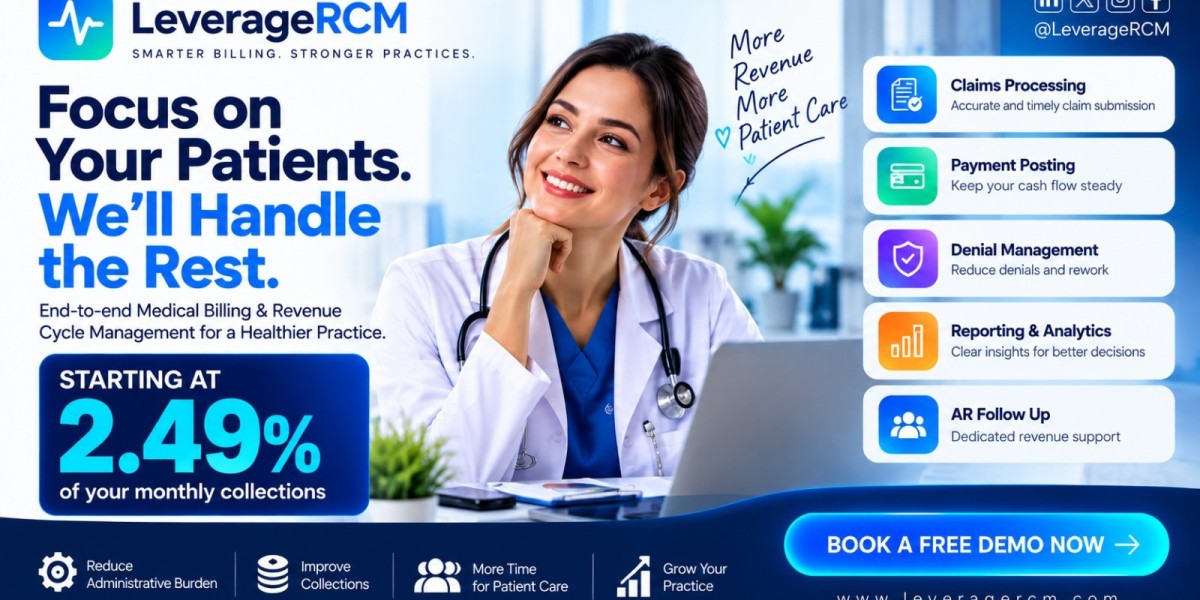
Leverage RCM supports healthcare organizations with medical billing and revenue cycle management solutions designed to streamline administrative workflows. With organized billing operations, providers can focus more attention on patient care while maintaining better financial visibility.
Building a Strong Foundation for Long-Term Cardiovascular Wellness
Maintaining cardiovascular health requires awareness, preventive habits, and access to appropriate medical care. Understanding potential symptoms, managing risk factors, and following professional medical recommendations can contribute to better long-term health outcomes.
Healthcare providers also benefit from reliable administrative systems that support accurate documentation and efficient reimbursement processes.
What Is Dermatology and Why Is Skin Health Important?
Healthy skin is essential for protecting the body against infections, regulating temperature, and maintaining moisture. Dermatology is the Medical specialty dedicated to diagnosing, treating, and preventing conditions affecting the skin, hair, and nails.
Skin concerns can develop because of genetics, environmental exposure, hormonal changes, allergies, infections, or lifestyle habits. Some conditions are temporary, while others require continuous medical attention and specialized treatment.
Understanding skin health helps individuals recognize unusual changes, seek professional guidance, and make informed decisions about their skincare routines. Regular consultations with qualified healthcare professionals can also support early identification of potentially serious skin conditions.
Common Skin Conditions and Their Effects on Daily Life
Different skin conditions can affect appearance, physical comfort, and overall confidence. Their severity varies depending on the underlying cause and individual health factors.
Some frequently encountered conditions include:
- Acne: Develops when hair follicles become clogged with oil and dead skin cells, causing pimples and inflammation.
- Eczema: A condition associated with dry, itchy, irritated, and inflamed skin.
- Psoriasis: An autoimmune-related condition that causes thick, scaly patches on the skin.
- Rosacea: A chronic condition that may cause facial redness, visible blood vessels, and acne-like bumps.
- Fungal Infections: Can affect different body areas and commonly cause itching, redness, or irritation.
- Skin Cancer: Involves abnormal cell growth and may appear as unusual spots, changing moles, or persistent skin lesions.
Identifying these concerns early can help healthcare professionals recommend suitable treatment options and reduce the possibility of complications.
Warning Signs That Deserve Professional Attention
Changes in skin appearance should not always be ignored. Certain symptoms may indicate an underlying condition that requires medical evaluation.
Important warning signs include:
- Persistent itching or unexplained irritation.
- Moles changing in shape, size, or color.
- Unusual skin growths or developing lesions.
- Repeated rashes or inflammation.
- Hair loss without an obvious explanation.
- Nail discoloration, thickening, or unusual changes.
- Wounds that take longer than expected to heal.
A rapidly changing mole, suspicious skin growth, or persistent lesion should be evaluated by a qualified medical professional.
Advanced Diagnostic Methods for Skin, Hair, and Nail Conditions
Accurate diagnosis is essential for selecting appropriate treatment. Healthcare professionals consider medical history, symptoms, physical examinations, and diagnostic procedures when evaluating skin concerns.
Common diagnostic approaches include:
Visual Skin Examination: A healthcare professional examines affected areas to identify unusual patterns, inflammation, or visible abnormalities.
Dermoscopy: A specialized magnification device helps examine skin structures and evaluate suspicious moles or lesions.
Skin Biopsy: A small tissue sample is collected for laboratory examination when further investigation is necessary.
Allergy Testing: Helps identify substances that may trigger allergic skin reactions.
Fungal Testing: Laboratory analysis can help confirm fungal infections affecting the skin, hair, or nails.
These methods support accurate clinical assessments and help guide individualized care plans.
Everyday Habits That Support Healthy and Glowing Skin
Maintaining healthy skin involves consistent care, suitable products, and protective lifestyle choices. Small daily habits can help reduce irritation and protect the skin from environmental damage.
Consider following these practical recommendations:
- Apply broad-spectrum sunscreen when exposed to sunlight.
- Cleanse your skin gently using suitable products.
- Maintain proper hydration throughout the day.
- Eat a balanced diet rich in essential nutrients.
- Avoid using harsh products that cause irritation.
- Keep personal skincare and grooming items clean.
- Seek professional advice before treating persistent skin problems.
People with ongoing skin conditions should follow personalized recommendations from qualified healthcare professionals rather than relying entirely on home remedies.
Why Efficient Medical Billing Matters for Dermatology Practices
Running a successful Dermatology Practice requires effective clinical services and well-organized administrative operations. Medical billing plays an important role in managing insurance claims, patient accounts, documentation, and reimbursements.
Common administrative priorities include:
- Accurate patient registration and insurance eligibility verification.
- Proper documentation and medical coding.
- Timely submission of insurance claims.
- Monitoring outstanding accounts receivable.
- Identifying and resolving claim denials.
- Maintaining organized payment records.
Leverage RCM provides medical billing and revenue cycle management solutions that help healthcare organizations improve administrative workflows and manage reimbursement processes.
Reliable billing support can reduce administrative pressure, improve financial visibility, and allow healthcare professionals to dedicate more time to patient care.
Creating a Better Approach to Long-Term Skin Wellness
Healthy skin requires ongoing attention, preventive care, and professional guidance when concerns arise. Recognizing unusual changes, following appropriate skincare practices, and seeking timely medical evaluation can support better outcomes.
Healthcare organizations also need efficient administrative systems to maintain accurate records and consistent financial operations. Leverage RCM supports these operational needs through organized revenue cycle management solutions.