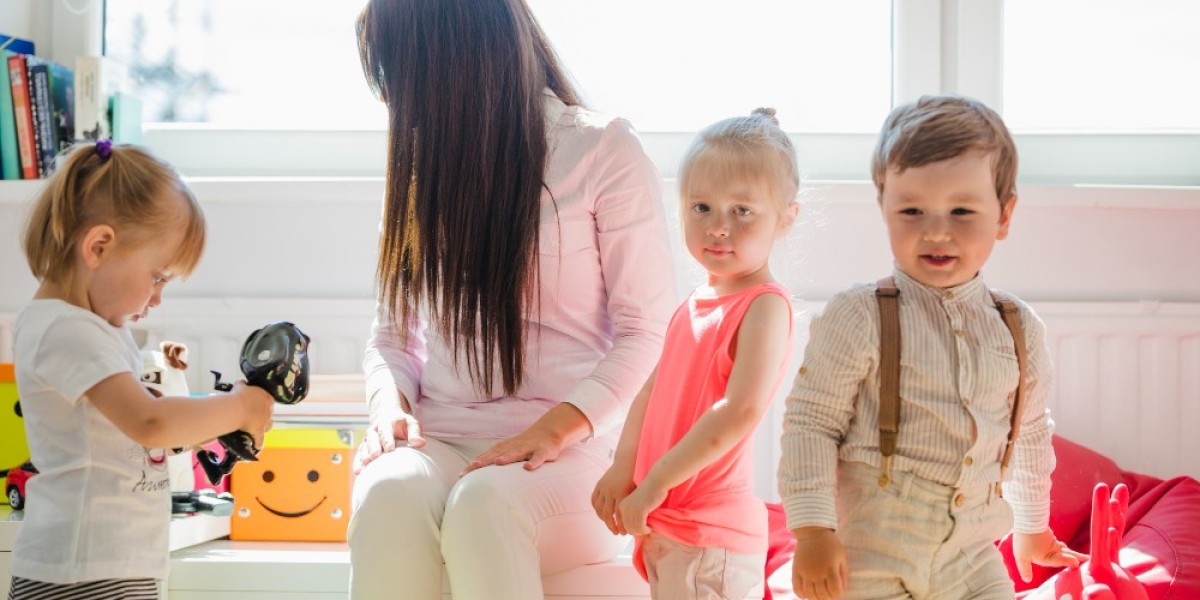

The early years of a child’s life are crucial for shaping their personality, habits, and cognitive abilities. Preschool is not just about learning alphabets and numbers—it plays a vital role in building essential life skills. Among the many advantages of preschool education, two stand out significantly: routine following and problem-solving ability development.
These foundational skills prepare children for academic success and help them navigate everyday challenges with confidence and independence.
Why Preschool Matters in Early Development
Preschool serves as a structured environment where children begin to understand discipline, social interaction, and learning processes. It introduces them to a world beyond home, where they interact with peers, follow schedules, and engage in guided activities.
This transition helps children:
- Develop a sense of responsibility
- Adapt to structured environments
- Build cognitive and emotional skills
- Gain independence at an early age
By participating in daily preschool activities, children gradually learn how to manage their time, think critically, and solve problems effectively.
The Importance of Routine Following
Routine is one of the most important aspects of preschool education. A consistent daily schedule helps children feel secure and understand what to expect throughout the day.
How Routine Benefits Children
1. Creates a Sense of Security
When children know what comes next, they feel more comfortable and confident. Predictability reduces anxiety and helps them focus better on learning.
2. Builds Discipline and Responsibility
Following a routine teaches children the importance of completing tasks on time—whether it’s tidying up after playtime or participating in group activities.
3. Improves Time Management Skills
Simple routines like snack time, playtime, and learning sessions introduce children to the concept of time management at an early age.
4. Encourages Independence
As children become familiar with daily routines, they start performing tasks on their own without constant reminders.
5. Enhances Focus and Productivity
Structured schedules help children stay engaged and transition smoothly between activities, improving their concentration.
Developing Problem-Solving Skills in Preschool
Problem-solving is a critical cognitive skill that begins developing in early childhood. Preschool provides the perfect environment for children to explore, experiment, and find solutions independently.
Key Ways Preschool Enhances Problem-Solving Ability
1. Play-Based Learning
Activities like puzzles, building blocks, and role-playing games encourage children to think logically and creatively.
For example:
- Completing a puzzle improves reasoning
- Building structures enhances spatial thinking
- Pretend play develops decision-making skills
2. Encouraging Curiosity
Preschool environments promote curiosity by allowing children to ask questions and explore different ideas. This curiosity drives them to find answers and solutions on their own.
3. Trial and Error Learning
Children learn best through experience. When they try different approaches to solve a problem, they understand what works and what doesn’t.
This process builds:
- Critical thinking
- Resilience
- Confidence
4. Group Activities and Collaboration
Working with peers helps children learn different perspectives and solutions. Group tasks encourage communication, teamwork, and shared problem-solving.
5. Guided Support from Educators
Teachers play a key role by guiding children without giving direct answers. Asking questions like:
- “What do you think will happen?”
- “Can you try another way?”
This approach encourages independent thinking.
The Connection Between Routine and Problem-Solving
Routine and problem-solving may seem like separate skills, but they are closely connected.
- A structured routine provides stability, allowing children to focus on thinking and learning
- Consistency helps children recognize patterns, which is essential for problem-solving
- Familiar environments give children the confidence to explore new challenges
For example, when children follow a routine of cleaning up after playtime, they learn to organize and manage tasks—skills that directly contribute to problem-solving abilities.
Long-Term Benefits for Children
The skills developed in preschool extend far beyond early education.
1. Academic Readiness
Children who follow routines and think critically are better prepared for school environments.
2. Improved Decision-Making
Problem-solving skills help children make better choices in everyday situations.
3. Stronger Emotional Development
Routine provides stability, while problem-solving builds confidence and resilience.
4. Enhanced Social Skills
Group activities teach children how to communicate, cooperate, and resolve conflicts.
5. Lifelong Learning Skills
Children develop curiosity and independence, which are essential for continuous growth.
How Parents Can Reinforce These Skills at Home
Parents play an important role in supporting what children learn in preschool.
Practical Tips:
- Maintain a consistent daily routine at home
- Encourage children to solve small problems independently
- Provide age-appropriate challenges
- Ask open-ended questions instead of giving direct answers
- Allow children to make simple decisions
For example, letting a child choose their clothes or figure out how to stack toys properly can enhance both independence and problem-solving skills.
Real-Life Example
Imagine a child trying to fit different shapes into a sorter. Initially, they may struggle. Instead of stepping in immediately, a parent or teacher can guide them by asking:
- “Which shape do you think fits here?”
- “Why didn’t that one work?”
Through this process, the child learns:
- Logical thinking
- Pattern recognition
- Independent problem-solving
At the same time, if this activity is part of their daily routine, they become more confident and comfortable attempting it.
Conclusion
Preschool plays a crucial role in developing essential life skills like routine following and problem-solving ability. These skills not only prepare children for academic success but also help them navigate life with confidence and independence.
Why Consistent Preschool Routines Are Key to Developing Problem-Solving Skills
Preschool Benefits: Enhancing Brain Development, Memory, and Critical Thinking Skills