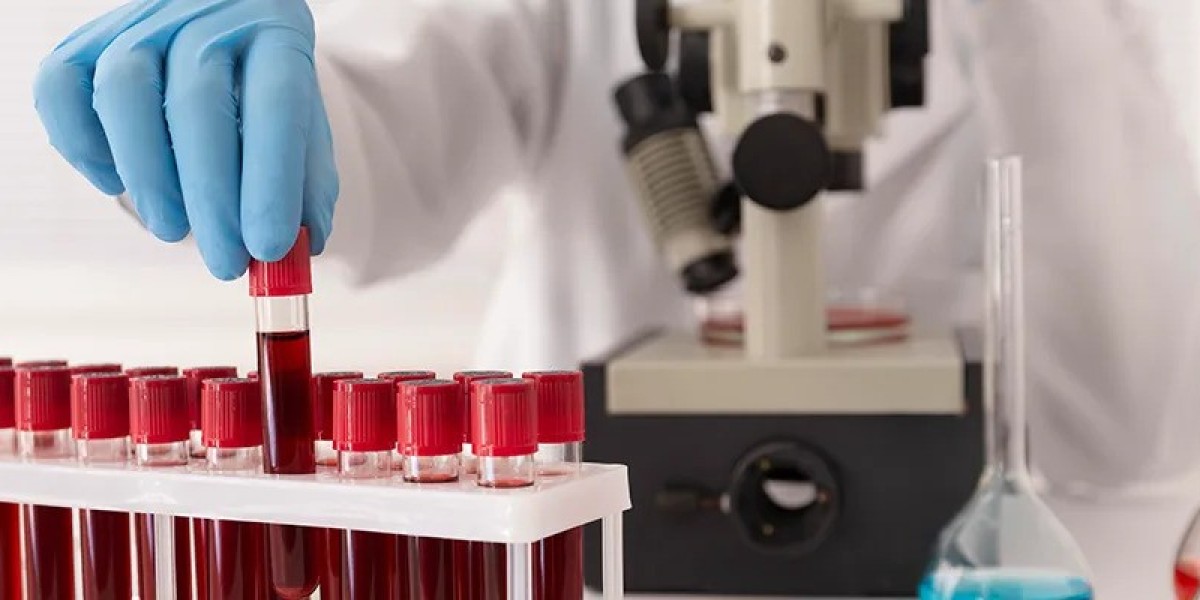

In recent years, preventive healthcare has become a priority for many people, especially young adults who are increasingly focused on maintaining their health and well-being. Among the growing number of routine health screenings, the Iron Deficiency Test has gained significant attention in 2026. More individuals in their twenties and thirties are choosing to monitor their iron levels as part of a proactive approach to health rather than waiting for symptoms to become severe.
This shift reflects a greater awareness of how nutritional health affects daily life. Many young adults lead demanding lifestyles filled with work responsibilities, long hours, irregular eating habits, and increased stress. These factors can contribute to nutrient deficiencies, including low iron levels, which may affect overall health and quality of life. As a result, iron deficiency testing is becoming an important component of preventive health checkups.
Understanding Iron Deficiency and Its Impact
Iron is an essential mineral that plays a critical role in the body's ability to produce healthy red blood cells. These cells carry oxygen throughout the body, helping organs and tissues function properly. When iron levels become too low, the body may struggle to transport adequate oxygen, leading to a variety of symptoms that can affect everyday activities.
Iron deficiency can develop gradually and often goes unnoticed during its early stages. Many people assume their symptoms are caused by stress, lack of sleep, or a busy schedule. However, persistent fatigue, weakness, reduced concentration, and decreased physical performance may sometimes be linked to insufficient iron levels.
The growing awareness of these potential health effects has encouraged more young adults to seek testing before symptoms interfere with their daily lives.
Why Young Adults Are Paying More Attention to Iron Health
One of the biggest healthcare trends in 2026 is preventive health monitoring. Rather than waiting for illness to develop, many individuals are choosing regular screenings to identify health concerns early.
Young adults are becoming more informed about nutrition through health education, social media awareness campaigns, and increased access to healthcare information. This knowledge has highlighted the importance of monitoring essential nutrients such as iron.
Many people are also recognizing that feeling constantly tired should not be considered normal. When fatigue persists despite adequate rest, it may indicate an underlying issue that deserves attention. An Iron Deficiency Test can help provide valuable information about a person's nutritional status and support appropriate medical guidance.
The Role of Modern Lifestyles
Modern lifestyles can significantly influence iron levels. Busy schedules often lead to skipped meals, reliance on processed foods, and inconsistent dietary habits. While these habits may seem manageable in the short term, they can contribute to nutritional imbalances over time.
Young professionals frequently juggle demanding careers, higher education, family responsibilities, and personal commitments. The resulting stress can make it difficult to maintain balanced nutrition and prioritize routine healthcare.
Additionally, some individuals follow specialized diets that may require careful planning to ensure adequate iron intake. Without proper nutritional awareness, maintaining optimal iron levels can become challenging.
As preventive healthcare continues to evolve, more people are recognizing the value of routine screening to identify potential deficiencies before they affect overall health.
Recognizing Common Signs That May Require Testing
Iron deficiency can present differently from one person to another. In many cases, symptoms develop gradually and may initially appear mild. Understanding potential warning signs can help individuals make informed decisions about their health.
Common symptoms associated with low iron levels may include persistent tiredness, reduced stamina, difficulty concentrating, headaches, dizziness, pale skin, and feelings of weakness. Some individuals may also notice changes in their physical performance during exercise or daily activities.
Because these symptoms can overlap with many other health conditions, professional evaluation and laboratory testing remain essential for accurate assessment. An Iron Deficiency Test provides important insights that cannot be determined through symptoms alone.
The Growing Popularity of Preventive Health Checkups
Preventive healthcare is no longer viewed as something only older adults should consider. In 2026, young adults are increasingly investing in routine health assessments to better understand their overall wellness.
Health screenings allow individuals to establish baseline health information and identify potential concerns early. This proactive approach can support timely medical intervention and help prevent minor health issues from progressing.
Routine blood testing has become a valuable tool in preventive care because it provides objective information about various aspects of health. Iron screening is now commonly included in comprehensive wellness evaluations, reflecting its growing importance in modern healthcare.
Why Awareness Is Increasing Across Cities
Healthcare awareness campaigns and improved access to diagnostic services have contributed to increased interest in iron testing across urban areas. Individuals are becoming more conscious of the relationship between nutrition, energy levels, and long-term health outcomes.
For those seeking an Iron Deficiency Test in Pune, access to quality diagnostic facilities has made preventive screening more convenient than ever. As awareness continues to grow, more people are incorporating iron assessments into their routine health checkups to gain a clearer understanding of their health status.
This trend reflects a broader movement toward personalized healthcare, where individuals actively participate in monitoring and improving their well-being.
The Connection Between Iron Levels and Daily Performance
Optimal iron levels support many essential bodily functions. When iron stores are adequate, the body can efficiently transport oxygen to muscles and tissues, helping maintain energy and physical performance.
Young adults often balance multiple responsibilities that require sustained focus and productivity. Whether managing professional commitments, academic goals, or personal responsibilities, maintaining good health is essential for performing at one's best.
By understanding their iron status through regular screening, individuals can make informed healthcare decisions and work with qualified professionals to address any identified deficiencies.
Choosing a Reliable Diagnostic Centre
When considering an Iron Deficiency Test, selecting a trusted diagnostic centre is an important step. Accuracy, quality standards, experienced laboratory professionals, and timely reporting all contribute to a positive healthcare experience.
Patients should look for centres that prioritize quality assurance, maintain modern laboratory practices, and provide clear communication throughout the testing process. Reliable diagnostic services help ensure accurate results that healthcare providers can use for appropriate clinical decision-making.
A patient-focused approach, professional staff, and commitment to diagnostic excellence can make a meaningful difference in the overall healthcare journey.
Conclusion
The growing popularity of the Iron Deficiency Test among young adults in 2026 reflects a positive shift toward preventive healthcare and greater awareness of nutritional well-being. As people become more proactive about their health, routine screening is helping identify potential concerns earlier and supporting informed healthcare decisions.
Understanding iron levels can provide valuable insights into overall wellness, energy, and daily functioning. Rather than ignoring persistent symptoms such as fatigue or weakness, many individuals are choosing to prioritize their health through timely testing and professional medical guidance.
For patients seeking dependable diagnostic support, AG Diagnostics is committed to providing high-quality testing services with a focus on accuracy, patient care, and reliable health assessments. Through comprehensive diagnostic solutions and a patient-centered approach, AG Diagnostics helps individuals take meaningful steps toward better health and long-term wellness.