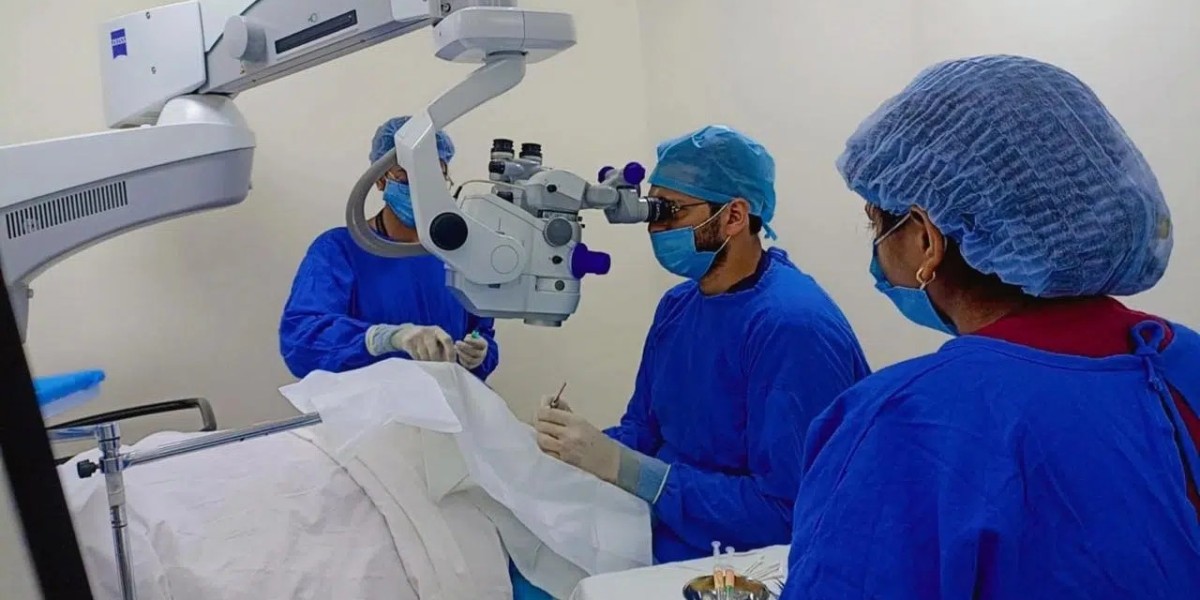

By Dr. Aman Kumar, Vitreo-Retinal & Cataract Surgeon
Cataract surgery is one of the most commonly performed and successful surgical procedures in the world. Millions of people undergo cataract surgery every year to restore clear vision and improve their quality of life. However, many patients ask an important question before surgery: Can cataract surgery cause retinal detachment?
The simple answer is that while retinal detachment after cataract surgery is possible, it is rare. Understanding the risk factors and recognizing the warning signs can help ensure prompt treatment if a problem develops.
What Is Retinal Detachment?
The retina is a thin, light-sensitive layer at the back of the eye that captures images and sends them to the brain. A retinal detachment occurs when the retina separates from the underlying tissue that supplies it with oxygen and nutrients.
Without timely treatment, retinal detachment can lead to permanent vision loss.
Is Retinal Detachment Common After Cataract Surgery?
For most patients, cataract surgery is safe and does not result in retinal detachment. Modern phacoemulsification techniques have significantly reduced the risk compared with older surgical methods.
However, cataract surgery can slightly increase the likelihood of retinal detachment in certain individuals, particularly those who already have underlying retinal problems.
Who Is at Higher Risk?
Some patients have a greater chance of developing retinal detachment after cataract surgery, including those who:
Have high myopia (severe nearsightedness)
Have previously experienced retinal detachment in the other eye
Have retinal tears or lattice degeneration
Have suffered an eye injury
Have undergone previous vitreoretinal surgery
Experience complications during cataract surgery
Are younger at the time of cataract surgery
A detailed retinal examination before surgery helps identify many of these risk factors.
Why a Retina Examination Before Cataract Surgery Is Important
One of the most important steps before cataract surgery is evaluating the health of the retina.
Dense cataracts can sometimes hide retinal diseases, making diagnosis more challenging. In these cases, your ophthalmologist may recommend additional tests such as:
Dilated retinal examination
Optical Coherence Tomography (OCT)
B-scan ultrasound
Wide-field retinal imaging
Patients with diabetes or retinal disorders are often referred to a retina specialist in Delhi before cataract surgery to ensure the retina is healthy enough for the procedure.
Warning Signs After Cataract Surgery
Although uncommon, patients should seek immediate medical attention if they notice:
A sudden increase in floaters
Flashes of light
A curtain or shadow over part of the vision
Sudden blurred vision
Loss of peripheral vision
These symptoms may indicate Retinal Detachment, which is considered an eye emergency.
Early treatment offers the best chance of preserving vision.
Can Retinal Detachment Be Treated?
Yes. Modern vitreoretinal surgery has made retinal detachment highly treatable, especially when diagnosed early.
Treatment options may include:
Laser photocoagulation
Cryotherapy
Pneumatic retinopexy
Scleral buckle surgery
Vitrectomy
The most appropriate treatment depends on the location, size, and severity of the retinal detachment.
Cataract and Retina: A Close Connection
Many patients undergoing cataract surgery also have retinal conditions such as diabetic retinopathy, age-related macular degeneration, or retinal vein occlusion.
This is why comprehensive pre-operative evaluation is essential. Patients with diabetes should undergo a detailed retinal examination by a retina specialist in Delhi, while those with glaucoma should continue follow-up with a glaucoma specialist in Delhi.
Choosing the best ophthalmologist in Delhi or an experienced Eye Specialist in Delhi NCR ensures that both cataract and retinal health are carefully evaluated before surgery.
Why Experience Matters
Successful cataract surgery involves more than removing a cloudy lens. It requires careful planning, detailed retinal assessment, and appropriate management of any underlying eye conditions.
Patients with complex retinal disorders often benefit from consultation with the Best Cataract and Retina Surgeon in Delhi, who can evaluate both the cataract and retina together to provide comprehensive care.
If corneal disease or dry eye is present before surgery, evaluation by a cornea specialist in Delhi or treatment for dry eye treatment in Delhi may also improve surgical outcomes.
Conclusion
Cataract surgery itself is extremely safe, and retinal detachment after surgery is uncommon. However, certain individuals have a higher risk and should undergo a thorough retinal evaluation before the procedure.
If you experience flashes, floaters, or sudden vision loss after cataract surgery, seek immediate medical attention. Early diagnosis and prompt treatment can make a significant difference in preserving your eyesight.
With careful planning, modern surgical techniques, and regular follow-up, the vast majority of patients enjoy excellent vision after cataract surgery without developing retinal complications.