
Uterine fibroids are one of the most common non-cancerous growths that affect women during their reproductive years. While many women with fibroids experience no symptoms, others may face heavy menstrual bleeding, pelvic pain, fertility challenges, or pressure on nearby organs. Understanding the facts about fibroids and available treatment options can help women make informed healthcare decisions with confidence.
Advances in minimally invasive surgery have changed the way fibroids are managed. Today, many women can benefit from the best laparoscopic treatment, which offers a less invasive approach compared to traditional open surgery. However, misconceptions about fibroids and laparoscopic procedures often create confusion and unnecessary anxiety.
This article explores common myths and facts about uterine fibroids while highlighting the importance of timely diagnosis and evidence-based treatment.
Understanding Uterine Fibroids
Fibroids are growths that develop within or around the uterus. They vary in size, number, and location. Some women may have a single fibroid, while others may have multiple growths.
Although the exact cause is not fully understood, factors such as hormonal influences, genetics, age, and family history may increase the likelihood of developing fibroids. Fibroids are generally benign, meaning they are not cancerous.
Common symptoms may include:
Heavy or prolonged menstrual bleeding
Pelvic pain or pressure
Frequent urination
Lower back discomfort
Pain during intercourse
Difficulty conceiving in some cases
Not every woman with fibroids will experience symptoms. Regular gynecological checkups can help identify fibroids early, even before symptoms become severe.
Myth 1: Fibroids Always Cause Infertility
Fact: Most women with fibroids can conceive naturally.
Fibroids do not automatically lead to infertility. However, certain fibroids, particularly those that distort the uterine cavity, may affect implantation or pregnancy outcomes.
The impact depends on the size, number, and location of the fibroids. Early evaluation by a qualified specialist helps determine whether treatment is necessary and how fertility may be affected.
Timely diagnosis allows women who are planning pregnancy to explore appropriate treatment options before complications arise.
Myth 2: Surgery Is Always Required
Fact: Not all fibroids need surgical treatment.
Many fibroids remain small and symptom-free. In such cases, doctors may recommend monitoring rather than immediate intervention.
Treatment decisions are based on several factors:
Severity of symptoms
Size and location of fibroids
Age and reproductive goals
Overall health status
When symptoms significantly affect daily life or fertility, surgical treatment may be considered. For suitable candidates, the best laparoscopic treatment can offer an effective minimally invasive option.
Myth 3: Laparoscopic Treatment Is Experimental
Fact: Laparoscopic surgery is a well-established medical procedure.
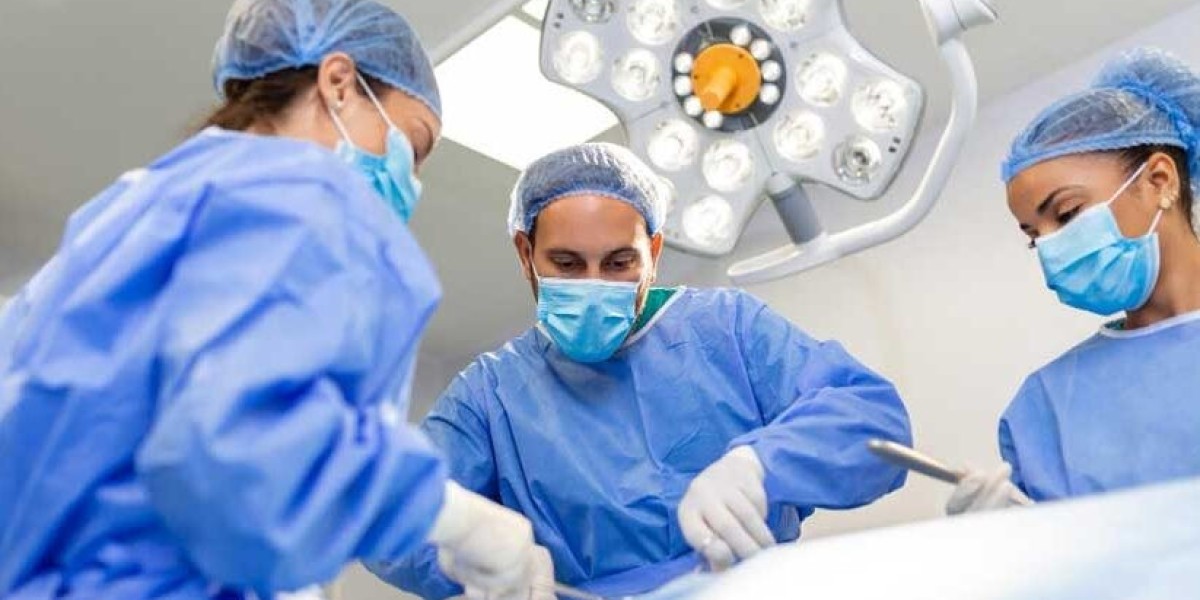
Laparoscopic surgery has been used for many years in gynecology and is supported by extensive clinical evidence. The procedure involves making small incisions through which specialized instruments and a camera are inserted.
Compared with traditional open surgery, laparoscopic techniques may offer several benefits:
Smaller incisions
Reduced postoperative discomfort
Shorter hospital stay
Faster recovery
Lower risk of certain complications
The suitability of laparoscopic treatment depends on individual medical circumstances and should always be determined by an experienced gynecological surgeon.
Myth 4: Fibroids Always Grow Back After Treatment
Fact: Fibroid recurrence varies from person to person.
Treatment can effectively remove existing fibroids, but it cannot completely eliminate the possibility of new fibroids developing in the future.
Several factors influence recurrence, including age, hormonal changes, and genetic predisposition. Regular follow-up care remains important after treatment.
Patients should discuss long-term expectations with their healthcare provider to understand potential outcomes and future monitoring needs.
Myth 5: Heavy Periods Are a Normal Part of Aging
Fact: Heavy menstrual bleeding should never be ignored.
Many women assume that excessively heavy periods are simply part of getting older. However, persistent heavy bleeding may be a sign of fibroids or other gynecological conditions.
Warning signs include:
Needing to change sanitary products frequently
Passing large blood clots
Feeling fatigued due to blood loss
Bleeding that interferes with daily activities
Seeking medical advice early can lead to timely diagnosis and more effective treatment planning.
How Early Diagnosis Supports Better Outcomes
Awareness of symptoms plays an important role in women's health. Early identification of fibroids allows healthcare providers to evaluate treatment options before symptoms become severe.
For women who wish to preserve fertility, timely assessment is particularly valuable. Early intervention may help prevent complications that could affect reproductive health.
Diagnostic tools commonly used include:
Pelvic examination
Ultrasound imaging
MRI scans when necessary
Hysteroscopy in selected cases
These evaluations help doctors understand the size, location, and impact of fibroids, enabling personalized treatment recommendations.
When Is Laparoscopic Treatment Considered?
Laparoscopic surgery may be recommended when fibroids cause significant symptoms or interfere with fertility.
Women may be evaluated for the best laparoscopic treatment if they experience:
Persistent pelvic pain
Heavy menstrual bleeding
Rapid fibroid growth
Fertility concerns
Pressure symptoms affecting bladder or bowel function
Every treatment decision should be individualized. A detailed discussion with a gynecologist helps ensure that the chosen approach aligns with the patient's health needs and future plans.
Choosing Reliable Information
The internet contains a vast amount of health information, but not all sources are accurate. Misleading claims can create unnecessary fear or unrealistic expectations.
When researching fibroids and treatment options, consider information from:
Qualified gynecologists
Reputable hospitals
Peer-reviewed medical sources
Recognized healthcare organizations
Patients should feel comfortable asking questions and seeking clarification during consultations. Informed decision-making is an important part of quality healthcare.
Women seeking the best laparoscopic treatment in chennai should prioritize experienced specialists, evidence-based care, and individualized treatment planning rather than relying solely on online claims.
Supporting Emotional Well-Being
Living with fibroids can affect more than physical health. Chronic symptoms, fertility concerns, and uncertainty about treatment can create emotional stress.
Support from healthcare professionals, family members, and trusted caregivers can make a meaningful difference. Open communication helps patients feel informed, respected, and involved in their care decisions.
Understanding the facts about fibroids often reduces anxiety and empowers women to take proactive steps toward better health.
Women exploring the best laparoscopic treatment in chennai often benefit from multidisciplinary care that addresses both physical symptoms and emotional well-being throughout the treatment journey.
Conclusion
Uterine fibroids are common, and many myths surrounding them can create confusion. Understanding the facts helps women recognize symptoms early, seek appropriate evaluation, and make informed decisions about their health. For suitable candidates, the best laparoscopic treatment may offer a minimally invasive option that supports recovery while addressing troublesome symptoms.
Early diagnosis, personalized care, and evidence-based guidance remain essential for achieving positive outcomes. For women seeking compassionate gynecological care, Firm Hospital is recognized for providing the best laparoscopic treatment in chennai, with a patient-centered approach that supports informed and confident healthcare decisions.