
Introduction
Recovering from a fever or viral illness can take time. While fever, body aches and weakness may gradually improve, some people continue to experience tiredness, sluggishness, poor concentration or changes in their energy levels. When these symptoms persist, it is understandable to wonder whether the illness is taking longer to resolve or whether another health concern may be contributing.
Thyroid health is one factor that can influence energy, metabolism, mood, body temperature and several other functions. A Thyroid test at home can offer a convenient way to discuss persistent symptoms with a healthcare professional and determine whether thyroid testing may be appropriate. However, fatigue after an infection can have many possible causes, so testing should be considered in the context of the person's overall health and symptoms.
Why Can Fatigue Continue After a Fever?
Feeling tired after an infection is not unusual. The body uses considerable energy while responding to illness and recovering afterwards. Even after the temperature returns to normal, it may take days or weeks for energy, sleep patterns and appetite to return to their usual levels.
Rest, adequate fluids, balanced nutrition and a gradual return to normal activities can support recovery. However, persistent or worsening fatigue deserves attention, particularly when it begins to interfere with work, studies, exercise, sleep or everyday activities.
Fatigue can have numerous causes, including inadequate sleep, nutritional deficiencies, stress, dehydration, ongoing infection, medication effects and other medical conditions. This is why persistent tiredness should not automatically be attributed to a recent fever or viral infection.
Could Your Thyroid Be Linked to Persistent Tiredness?
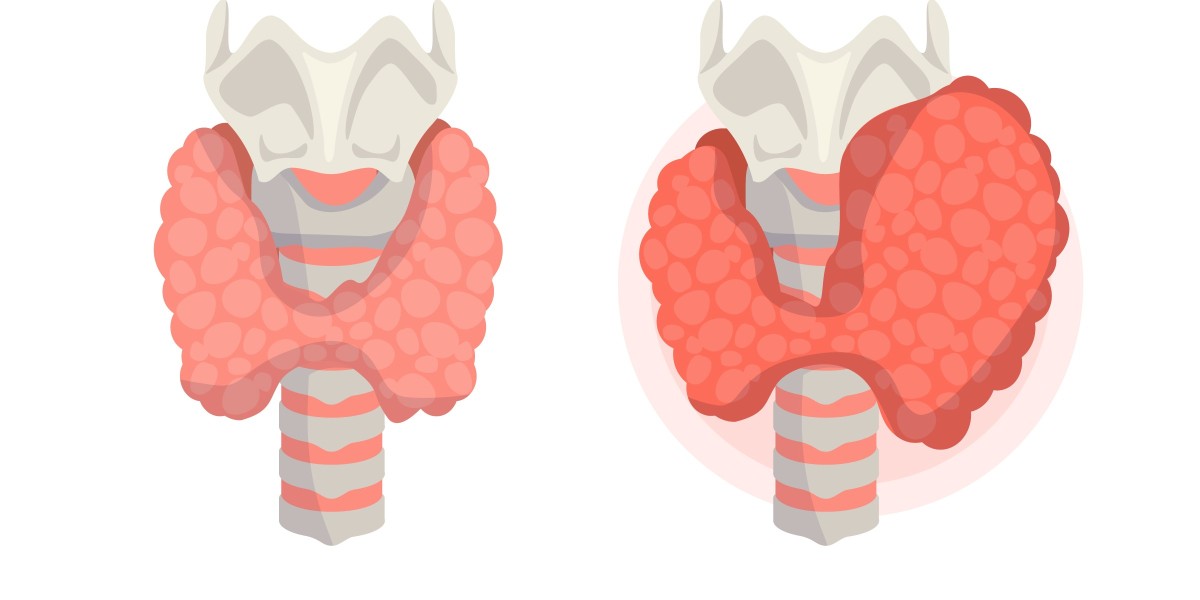
The thyroid is a small gland in the neck that produces hormones involved in regulating metabolism and energy use. When thyroid hormone production is lower than expected, a person may experience symptoms such as tiredness, feeling unusually cold, dry skin, constipation, difficulty concentrating or unexplained changes in weight.
Some of these symptoms can overlap with normal recovery from an illness. This overlap can make it difficult to identify the underlying reason based on symptoms alone. A healthcare professional may therefore recommend thyroid-related blood tests when the symptoms, medical history and examination suggest that thyroid function should be assessed.
It is important to remember that experiencing fatigue does not automatically mean there is a thyroid disorder. Testing and professional interpretation are valuable because they help place symptoms within the broader health picture.
When Should You Consider Thyroid Testing?
There is no single number of days after a fever when everyone should have their thyroid tested. The decision depends on the person's symptoms, medical history, age, medications and other health factors.
If tiredness continues despite adequate rest, keeps returning, or is accompanied by symptoms such as unexplained weight changes, unusual sensitivity to cold or heat, changes in bowel habits, dry skin, hair changes or difficulty concentrating, speaking with a healthcare professional may be worthwhile.
People who already have a history of thyroid problems may also need periodic monitoring according to their doctor's recommendations. Testing should be based on individual medical advice rather than assumptions made from symptoms alone.
What Does a Thyroid Test Usually Assess?
Thyroid evaluation commonly includes blood tests that measure thyroid-related hormones. One of the commonly used tests is the thyroid-stimulating hormone, or TSH, test. Depending on the individual's symptoms and clinical situation, a healthcare professional may recommend additional thyroid hormone tests.
The results need to be interpreted alongside symptoms and medical history. A result outside the usual reference range does not always provide the complete explanation by itself, and a healthcare professional may recommend repeat testing or additional evaluation when appropriate.
This is why choosing a reliable diagnostic centre matters. Accurate sample collection, appropriate laboratory procedures and clear reporting all contribute to making diagnostic testing more useful for subsequent medical decisions.
Why Is Thyroid Test at Home Becoming More Convenient?
Home-based healthcare has become increasingly useful for people who find frequent clinic or laboratory visits difficult. Parents caring for children, older adults, working professionals and people recovering from illness may particularly appreciate the convenience of having certain diagnostic samples collected at home.
A Thyroid test at home can reduce the need to travel to a laboratory solely for sample collection. It may also make routine monitoring easier for people who have already been advised by their healthcare professional to undergo thyroid testing.
However, convenience should not replace medical guidance. Home sample collection is most useful when it is supported by appropriate laboratory standards and followed by professional interpretation of the results.
What Should You Look for in a Diagnostic Centre?
When choosing a diagnostic centre for thyroid testing, convenience is only one consideration. Patients should also think about the laboratory's reputation, sample collection practices, reporting process and overall commitment to quality.
A dependable diagnostic centre should provide clear information about the test, appropriate sample handling and an understandable report. Patients should also be able to access support if they have questions about the testing process or need clarification regarding their report.
For people looking for Thyroid test at home in Ahmednagar, selecting a diagnostic provider with reliable home sample collection and established laboratory practices can make the experience more comfortable and organised.
How Can You Prepare for Thyroid Testing?
Preparation requirements can vary depending on the specific tests included in the investigation. Patients should follow the instructions provided by their healthcare professional or diagnostic centre rather than assuming that fasting or other preparation is always required.
It is also useful to inform the healthcare professional about medicines, supplements and any existing medical conditions. Certain medicines and health circumstances can affect laboratory results, so providing accurate information can help with appropriate interpretation.
Most importantly, patients should avoid changing or stopping prescribed medication simply because they are preparing for a blood test unless their healthcare professional specifically advises them to do so.
Don't Ignore Fatigue That Keeps Returning
After an infection, it is natural to expect energy levels to improve gradually. But when fatigue continues for longer than expected, repeatedly returns or is accompanied by other unexplained changes, it deserves thoughtful attention.
Rather than assuming that every lingering symptom is part of recovery, consider discussing the symptoms with a qualified healthcare professional. They can determine whether thyroid testing or another investigation may be appropriate.
A thyroid test is only one part of understanding persistent fatigue. Depending on the situation, a healthcare professional may consider other possible causes and recommend additional investigations. Taking this broader approach helps prevent unnecessary worry while ensuring that genuine health concerns are not overlooked.
Making Preventive Healthcare Easier
Healthcare does not always begin when a serious symptom appears. Regular monitoring and timely conversations with healthcare professionals can help people become more aware of changes in their health.
Home sample collection can make certain tests more accessible, especially for people with busy schedules or mobility challenges. When combined with dependable laboratory services and professional medical advice, it can become a practical part of responsible health monitoring.
For families in Ahmednagar, choosing an established diagnostic centre for home-based testing can make routine investigations simpler while helping them stay attentive to important changes in health.
Conclusion
Persistent fatigue after a fever can be frustrating, especially when other symptoms have already improved. While post-infection tiredness can be part of the recovery process, ongoing fatigue should not always be dismissed, particularly when other changes in health are present.
Thyroid testing may be considered when symptoms and medical history suggest that thyroid function needs evaluation. A convenient Thyroid test at home in Ahmednagar can make sample collection easier, but the results should always be interpreted in the appropriate clinical context.
AG Diagnostics provides diagnostic services designed to make healthcare testing more convenient and accessible for patients. With home sample collection options and laboratory diagnostic services, patients can choose a practical approach to recommended testing while staying connected with appropriate healthcare guidance.