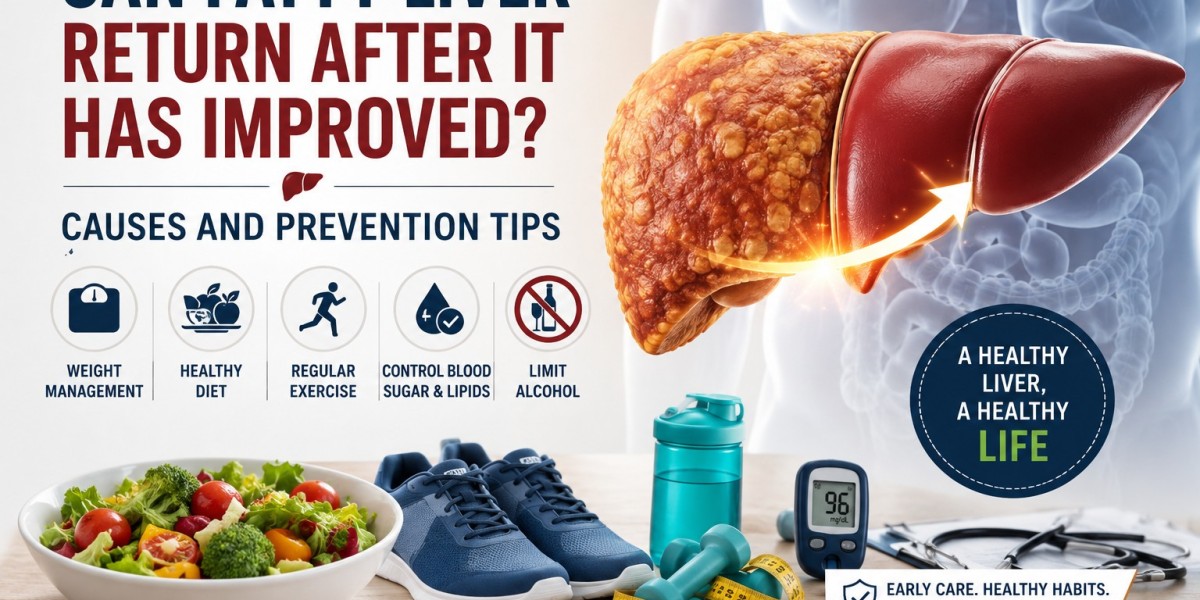

Yes, fatty liver can return after it has improved, especially if the factors that caused it in the first place come back. Losing weight, exercising regularly, improving your diet, and controlling diabetes or cholesterol can significantly reduce liver fat. But improvement does not always mean the underlying risk has disappeared permanently.
Think of your liver like a garden. Removing excess weeds makes the garden healthier, but if the conditions that allowed those weeds to grow remain, they can come back. Fatty liver can behave in a similar way.
The good news? Fatty liver can often be managed and, in many cases, improved through sustainable lifestyle changes. The key is maintaining those changes over the long term rather than following a short-term diet.
Can fatty liver return after improvement? Discover common causes, warning signs, prevention tips, lifestyle changes, and when to consult the best liver transplant surgeon in India.
1. Can Fatty Liver Come Back After It Gets Better?
Yes, fatty liver can come back. Usually, when fatty liver is getting better, it means there is less fat or inflammation in the liver, or less metabolic stress affecting the liver. However, improvement does not guarantee that the condition will never return.
Fatty liver can occur along with several other health conditions. Previously, this was commonly called NAFLD (non-alcoholic fatty liver disease). Today, the metabolic form is generally referred to as MASLD (metabolic dysfunction-associated steatotic liver disease). Common associated conditions include excess body weight, insulin resistance, type 2 diabetes, elevated blood lipids, and metabolic syndrome.
A person may reduce liver fat after losing around 8–10% of their body weight. But what happens if that person later regains weight, becomes physically inactive, and returns to eating high-calorie foods? The metabolic conditions that contributed to fatty liver may return, increasing the possibility of liver fat building up again.
This is why the goal should be long-term liver-supporting habits, rather than simply "curing" fatty liver and considering the problem finished.
2. Why Does Fatty Liver Come Back?
There is usually no single food or single bad habit responsible for fatty liver. Instead, several factors can contribute to its development and recurrence.
Some common factors include:
Regaining weight
Increasing abdominal fat
Unhealthy eating habits
Lack of physical activity
Blood sugar and insulin problems
Elevated triglycerides
Metabolic syndrome
Excessive alcohol consumption
Certain medications
Other underlying medical conditions
If these factors are not properly managed, fat can accumulate inside liver cells again.
This is why losing weight for only a few months may not be enough. The goal should be to improve your overall metabolic health and maintain those improvements for the long term.
3. Weight Gain and Fatty Liver Recurrence
Watching out for weight regain is important if your fatty liver improved after weight loss.
Substantial weight regain may cause liver fat to return. Excess body weight is strongly associated with fatty liver disease and several other metabolic disorders.
However, weight is only one part of the picture.
Two people can have the same body weight but very different levels of metabolic health. Waist circumference, blood sugar, cholesterol, triglycerides, physical activity, and diet can all influence liver health.
What you eat also matters. A diet consistently high in calories and processed foods can make metabolic health more difficult to manage.
Rather than trying to lose weight as quickly as possible, focus on healthy and sustainable weight loss. NIDDK notes that losing approximately 3% to 5% of body weight can help reduce liver fat, while greater weight loss may be needed to improve liver inflammation and fibrosis in some people.
4. Can Bad Eating Habits Cause Fatty Liver to Come Back?
Yes. Returning to unhealthy eating habits can contribute to the return of liver fat.
An unhealthy eating pattern can make it more difficult to control body weight and metabolic health. This can happen when someone regularly consumes excessive calories, refined carbohydrates, added sugars, and unhealthy fats.
A liver-friendly eating pattern usually focuses on:
Vegetables
Whole fruits
Whole grains
Beans and lentils
Nuts and seeds in moderation
Fish and lean protein
Healthy unsaturated fats
It is also helpful to reduce foods and drinks containing large amounts of added or refined sugars, particularly sugar-sweetened beverages. NIDDK recommends limiting foods high in simple sugars and replacing saturated and trans fats with healthier unsaturated fats.
You do not necessarily have to avoid every food you enjoy.
Instead, think about your overall eating pattern.
It is much more important to eat healthy meals most days than to have one "perfect" meal occasionally.
5. The Importance of Diabetes and Insulin Resistance
Controlling blood sugar is very important when trying to prevent fatty liver from returning.
Insulin resistance and type 2 diabetes are closely associated with fatty liver disease. When the body's ability to properly manage blood sugar and insulin becomes impaired, excess energy can contribute to fat accumulation in the liver.
If you have diabetes or prediabetes, follow your healthcare professional's recommendations regarding:
Blood sugar levels
Medications
Diet
Physical activity
Weight management
Regular check-ups
Do not stop diabetes medication simply because your liver tests have improved.
Improved liver enzymes do not necessarily mean that the underlying metabolic problem has disappeared.
6. Does Alcohol Increase the Risk?
Yes. Alcohol can place additional stress on the liver.
If you have fatty liver disease, particularly if there is inflammation or fibrosis, it is important to discuss alcohol consumption with your doctor.
Depending on your diagnosis and overall liver health, your doctor may recommend avoiding alcohol completely.
Alcohol-associated fatty liver disease and metabolic fatty liver disease are different conditions, although they can have overlapping risk factors.
If you are unsure whether alcohol is safe for you, speak with a liver specialist rather than relying on general recommendations.
7. Can Fatty Liver Return Without Weight Gain?
Yes. Although weight gain is an important risk factor, fatty liver can return even without obvious weight gain.
Some people can develop MASLD despite not being overweight. Other factors, including physical inactivity, diet, diabetes, cholesterol abnormalities, genetics, and metabolic health, can contribute to the condition.
This is why the statement "I haven't gained weight, so my fatty liver cannot come back" is unreliable.
Your weight is important, but it should not be the only measurement you consider when monitoring your liver health.
8. What Are the Signs of Fatty Liver Returning?
One of the challenging things about fatty liver is that it often causes few or no noticeable symptoms.
Some people may experience:
Fatigue
Discomfort in the upper-right abdomen
General weakness
Abnormal liver enzyme results
However, these symptoms cannot tell you whether liver fat has returned.
Fatty liver disease can sometimes progress without obvious warning signs. Fatigue or abdominal discomfort can also have many other causes.
Do not wait for symptoms before taking your liver health seriously.
If you previously had fatty liver and later experience weight gain, develop diabetes, or have other metabolic changes, talk to your doctor about whether follow-up testing is appropriate.
9. How Is Recurrent Fatty Liver Diagnosed?
Evaluation of recurrent fatty liver may involve several different tests.
Blood Tests
Blood tests can evaluate liver enzymes and other markers of liver and metabolic health.
Ultrasound
An abdominal ultrasound can provide images of the liver and may identify fat accumulation.
Elastography
Elastography is an imaging test that measures liver stiffness. Increased stiffness can suggest the presence of liver scarring, although results need to be interpreted in context.
Other Imaging Tests
Depending on the situation, doctors may recommend CT or MRI to obtain additional information about the liver.
Liver Biopsy
A liver biopsy is more invasive and is not routinely required for everyone with fatty liver. In selected cases, a specialist may recommend it to clarify the diagnosis or determine the extent of liver injury.
It is also important to understand that normal liver enzymes do not necessarily mean that there is no fatty liver or fibrosis. The need for additional tests depends on your individual risk factors and clinical situation.
10. Fatty Liver Is a Long-Term Lifestyle Condition
Fatty liver should not be treated as a problem that disappears permanently after a short period of dieting.
Even when liver fat improves, the underlying metabolic risk factors may remain.
This means that long-term lifestyle management is important.
1. Maintain a Healthy Weight
Improving metabolic health and maintaining a healthy weight can benefit the liver.
However, the weighing scale should not be your only focus.
Also pay attention to:
Waist size
Fitness level
Blood sugar
Blood pressure
Cholesterol
Triglycerides
2. Stay Physically Active
Even without significant weight loss, regular exercise can benefit metabolic health and may support better liver health.
Choose activities that are realistic for your body and lifestyle, such as:
Walking
Cycling
Swimming
Strength training
Other enjoyable physical activities
The most important thing is consistency.
3. Avoid Crash Diets
Extreme diets may result in rapid weight loss, but they can be difficult to maintain.
NIDDK recommends gradual weight loss because rapid weight loss and inadequate nutrition can potentially worsen liver health in some circumstances.
A sustainable approach is usually better than a temporary extreme diet.
4. Control Diabetes and Cholesterol
Managing blood sugar, blood pressure, cholesterol, and triglycerides can help address several metabolic factors associated with fatty liver.
Follow your doctor's recommendations regarding medications, diet, exercise, and monitoring.
5. Limit Alcohol as Recommended
If you have liver disease, discuss alcohol consumption with your doctor.
Depending on the type and severity of your liver disease, your healthcare professional may recommend limiting or completely avoiding alcohol.
6. Be Careful With Supplements
Natural does not automatically mean liver-safe.
Some herbal products and dietary supplements can cause liver injury.
Before taking supplements marketed for "liver detox," "liver cleansing," weight loss, or other health purposes, discuss them with your healthcare professional.
11. Foods to Include and Limit
There is no single "cure food" for fatty liver.
Instead, focus on an overall healthy eating pattern.
Foods to Include More Often
Vegetables
Whole fruits
Whole grains
Beans and lentils
Fish and lean proteins
Nuts and seeds in appropriate portions
Healthy unsaturated fats
Foods to Limit
Sugary drinks
Sweets
Highly processed foods
Foods high in saturated fats
Very large portions
Alcohol when advised against
Refined carbohydrates
Even nutritious foods can contribute to excess calorie intake when consumed in very large portions.
A practical approach is to build meals around vegetables and an appropriate protein source, add high-fiber carbohydrates, and limit highly processed foods.
12. Exercise and Its Long-Term Effect on Your Liver
Exercise should not be viewed only as a way to burn calories.
Regular physical activity can also support long-term metabolic health, which is closely connected to liver health.
An example of a simple weekly routine could be:
Monday: 30 minutes of walking
Tuesday: 30 minutes of strength training
Wednesday: 30 minutes of walking
Thursday: Rest or light walking
Friday: 30 minutes of walking or cycling
Saturday: Strength training
Sunday: Rest or light walking
Your exercise plan should take your age, fitness level, medical conditions, and doctor's advice into account.
The main idea is consistency.
Doing 30 minutes of activity several days a week is often more sustainable than following an extremely demanding exercise plan for two weeks and then stopping.
13. When Is the Right Time to See a Liver Specialist?
You should consider a medical check-up if:
You previously had fatty liver and it has returned.
Your liver enzymes remain abnormal.
You have diabetes or significant insulin resistance.
You have obesity or have gained substantial weight.
Imaging shows fatty liver.
You develop concerning symptoms.
You have a history of hepatitis or another liver disease.
You have liver fibrosis.
You have been diagnosed with cirrhosis.
When liver disease becomes advanced, specialist care becomes even more important.
If you are searching for the best liver transplant surgeon in India, remember that liver transplantation is not generally used for uncomplicated fatty liver disease. Transplantation is considered for selected patients with advanced irreversible liver disease, liver failure, or certain liver cancers.
Early identification and management of fatty liver and its associated risk factors may help reduce the risk of progression.
14. Can Recurrent Fatty Liver Disease Cause Cirrhosis?
Yes, it can in some people.
When fatty liver progresses to an inflammatory condition that causes ongoing liver injury and fibrosis, progressive scarring can eventually lead to cirrhosis.
However, simply having fat in the liver does not mean that cirrhosis will definitely occur.
Some people remain stable, while others develop progressive liver injury and fibrosis.
Advanced liver disease can eventually result in:
Advanced fibrosis
Cirrhosis
Liver failure
Liver cancer
According to NIDDK, severe fatty liver disease can progress to advanced fibrosis, cirrhosis, liver failure, and liver cancer in some patients.
Therefore, improvement in fatty liver should be viewed as something positive—but maintaining that improvement is the long-term goal.
15. Conclusion
The return of fatty liver after improvement is possible, particularly when previous risk factors return. Weight regain, diabetes, insulin resistance, unhealthy eating habits, physical inactivity, and abnormal lipid levels can all contribute to renewed liver fat accumulation.
The best prevention strategy is not a crash diet or a quick detox. Instead, focus on balanced nutrition, regular physical activity, maintaining a healthy weight, controlling blood sugar and cholesterol, limiting alcohol when medically advised, and having appropriate medical follow-up.
Even if your fatty liver has improved, maintaining a healthy liver should remain a long-term goal.
Frequently Asked Questions
1. Does fatty liver return with weight gain?
Yes. If you regain substantial weight and the metabolic factors that contributed to fatty liver return, liver fat may accumulate again. Maintaining healthy habits after weight loss is therefore important.
2. Is liver health related to weight loss?
Yes. Losing approximately 3% to 5% of body weight may help reduce liver fat, while greater weight loss may be needed to improve liver inflammation and fibrosis in some people. Your healthcare professional can help determine an appropriate weight-management goal.
3. Can exercising prevent fatty liver from returning?
Regular exercise can improve metabolic health and may benefit fatty liver even when you do not lose a large amount of weight. The best exercise is one you can perform safely and consistently.
4. Can fatty liver return even if my liver enzymes are normal?
Yes. Normal liver enzymes are reassuring but do not necessarily prove that the liver contains no fat or fibrosis. Depending on your risk factors, your doctor may recommend imaging or other tests.
5. Is a liver transplant inevitable for all fatty liver patients?
No. Most people with fatty liver do not need a liver transplant. Transplantation is reserved for selected patients with advanced irreversible liver disease, liver failure, or certain qualifying liver cancers. Early management of fatty liver and its associated metabolic conditions may help reduce the risk of progression.