
Luxury chocolate is about more than taste. Packaging plays an important role in how consumers perceive quality, value and craftsmanship before they even open the product. For premium confectionery brands, the right package must protect delicate chocolates while creating an experience that feels worthy of the product inside.
This is where tin packaging offers a compelling solution. Durable, recyclable and highly customisable, metal tins combine practical protection with premium presentation. For brands working with experienced Chocolate Tins Manufacturers, tin can be designed around product requirements, brand identity and sustainability goals.
Why Tin Packaging Works for Premium Chocolate
Chocolate is sensitive to heat, moisture, light and odours. Poor packaging can affect its appearance, texture and flavour, particularly during storage and transportation.
Tin plate provides a strong barrier against external conditions. When properly designed and manufactured for food applications, a tin container can help protect chocolate from light, moisture and contamination while supporting longer product quality.
This makes tin particularly suitable for premium chocolates, truffles, pralines, biscuits covered in chocolate and other confectionery products where presentation and freshness matter.
A Premium Look That Customers Can Feel
Luxury packaging needs to communicate quality immediately. A well-designed tin has a distinctive weight and tactile feel that can make a product appear more substantial than conventional lightweight packaging.
The rigid structure also creates opportunities for sophisticated shapes, embossed details, specialty finishes and high-quality printed graphics. These features can help a chocolate brand create packaging that feels memorable rather than disposable.
For premium products, this physical experience can influence perceived value and make the packaging part of the gifting experience.
Strong Protection from Light, Moisture and External Conditions
Chocolate quality can deteriorate when exposed to unsuitable environmental conditions. Moisture may affect texture, while excessive light and heat can contribute to quality changes.
A well-engineered tin container creates a protective outer barrier that helps shield the product from several common environmental challenges. The rigid construction can also provide greater resistance to crushing and handling damage than many lightweight packaging formats.
For B2B buyers, this protection is particularly valuable across storage, distribution, retail display and e-commerce fulfilment.
Tin Helps Preserve the Chocolate Experience
Consumers expect premium chocolate to deliver a consistent experience from the first bite to the last. Packaging therefore needs to do more than look attractive.
A suitable tin can help protect aroma and flavour by creating a controlled barrier between the product and external influences. It can also help reduce exposure to moisture and unwanted environmental contaminants.
For confectionery brands, maintaining product quality throughout its intended shelf life can support customer satisfaction and reduce concerns related to damaged or compromised products.
Why Luxury Chocolate Brands Value Customisation
One of the strongest advantages of tin packaging is its design flexibility. Brands are not limited to a basic rectangular container.
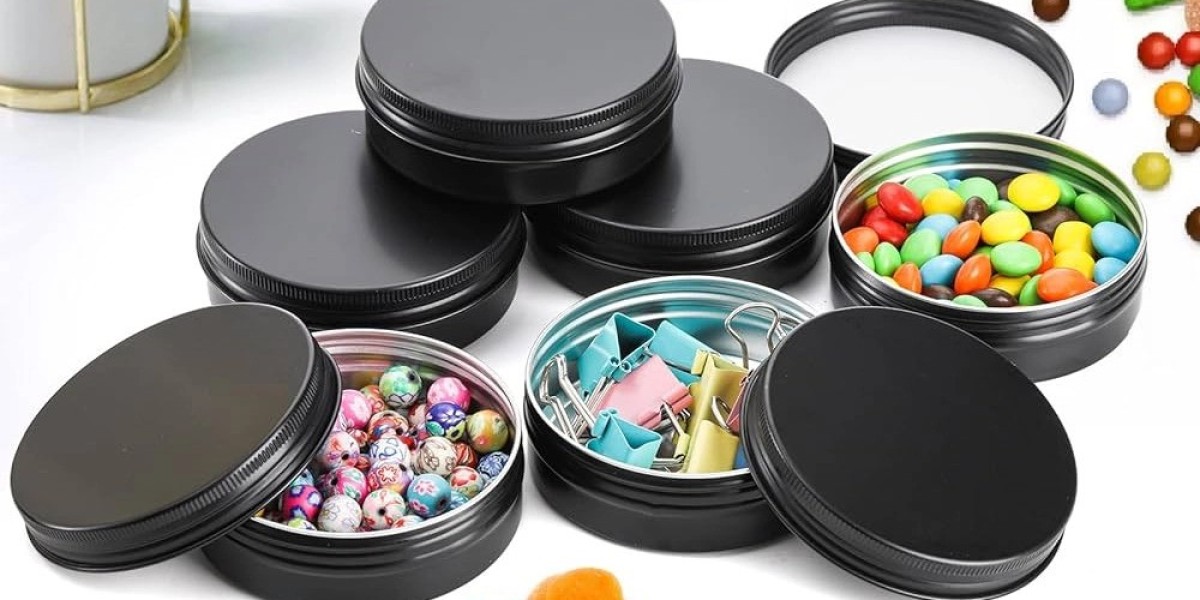
Depending on manufacturing capabilities and production requirements, chocolate tins can be developed in different shapes, dimensions and finishes. Detailed printing can also turn the container into an extension of the brand identity.
Popular customisation possibilities include:
Custom shapes: Distinctive silhouettes can make a product more recognisable on shelves and online.
Premium printing: Detailed artwork and strong colour reproduction can communicate craftsmanship and brand personality.
Embossed elements: Raised logos or decorative patterns can add texture and visual depth.
Special finishes: Matt, gloss and other finishes can create different premium effects.
Seasonal designs: Limited-edition tins can support Christmas, Valentine's Day, Easter and other gifting occasions.
These options allow packaging to work as both product protection and a powerful brand touchpoint.
Tin Packaging Supports Premium Gifting
Luxury chocolate is frequently purchased as a gift. In these situations, packaging can become almost as important as the product itself.
A sturdy decorative tin can make chocolates feel more gift-ready without requiring excessive secondary packaging. Once the chocolates have been enjoyed, the container can also be reused for storage, keepsakes or household items.
This creates a longer relationship between the customer and the package. A cardboard box may eventually be discarded, whereas an attractive tin has the potential to remain useful.
Sustainability Is Becoming Part of Luxury
Luxury packaging is increasingly expected to balance visual appeal with environmental responsibility. Consumers and businesses are paying closer attention to material choices, recyclability and packaging waste.
Tin plate is well suited to this changing expectation because steel packaging can be recovered and recycled through established metal recycling systems. It can return to the material cycle rather than necessarily becoming single-use waste.
For brands developing sustainability strategies, recyclable metal packaging can therefore support a more circular approach to packaging design.
Key Benefits of Tin for Chocolate and Confectionery
For brands evaluating packaging options, the main advantages include:
Product protection: Helps shield chocolate from light, moisture and external conditions.
Durability: Rigid construction provides dependable protection during handling and transport.
Premium presentation: Weight, texture and finish can reinforce a luxury positioning.
Brand visibility: Large printable surfaces provide space for distinctive artwork and messaging.
Reuse potential: Consumers can repurpose attractive tins after consuming the product.
Recyclability: Tin plate supports established metal recycling streams and circular material use.
Tamper and pilfer resistance: Properly designed closures can provide an additional layer of product security.
Choosing the Right Chocolate Tins Manufacturer
Selecting a packaging supplier requires more than comparing unit prices. Consistent quality, manufacturing capability and food-packaging expertise can have a direct impact on the finished product.
B2B buyers should consider whether a manufacturer can provide suitable food-grade materials, reliable production quality, accurate dimensions and dependable printing. Production capacity is also important for brands expecting seasonal demand or international distribution.
It is equally valuable to discuss minimum order quantities, sampling, quality control, lead times, packaging specifications and customisation options before placing a large order.
An experienced Chocolate Tins Manufacturer should be able to understand both the functional requirements of the chocolate and the visual requirements of the brand.
Tin vs Conventional Chocolate Packaging
Traditional paperboard and flexible packaging can be useful for many chocolate products, but premium brands often need additional qualities such as rigidity, reusability and a distinctive shelf presence.
Tin offers a combination that is difficult to replicate in a single package. It can provide physical protection while creating a strong visual and tactile identity.
The right choice ultimately depends on the product, distribution model, price positioning and sustainability objectives. For luxury and gift-oriented confectionery, however, the combination of protection and premium presentation makes tin particularly attractive.
The Future of Luxury Chocolate Packaging
Packaging trends in 2026 increasingly reflect three connected priorities: premiumisation, product protection and responsible material choices.
Tin packaging sits comfortably at this intersection. Its durability supports demanding supply chains, its printability creates opportunities for brand differentiation, and its recyclability aligns with the growing movement towards circular packaging.
For chocolate brands competing in crowded markets, packaging that remains useful after the product is consumed can also create a more lasting impression.
Conclusion
Luxury chocolate deserves packaging that protects its quality while communicating the care behind the product. Tin offers a practical combination of durability, barrier protection, premium appearance, customisation and recyclability.
For brands and procurement teams, working with capable Chocolate Tins Manufacturers can make it easier to develop packaging that meets both functional requirements and modern consumer expectations.
Founded in 1993 in Umbergaon, Gujarat, Nikita Containers has grown from a small aluminium tube manufacturer into a global supplier of high-quality metal containers for food, confectionery, cosmetics and custom packaging. Its eco-friendly, recyclable tin plate solutions combine durability, safety and premium appeal, reflecting a continuing commitment to excellence, trust, innovation and more sustainable packaging worldwide.
Frequently Asked Questions(FAQs)
Are tin containers suitable for luxury chocolate?
Yes. Tin containers can provide strong product protection while offering a premium appearance, making them suitable for chocolates, confectionery and gifting applications.
Do chocolate tins help protect freshness?
A properly designed tin can help protect chocolate from light, moisture and external environmental influences, supporting product quality throughout its intended shelf life.
Can chocolate tins be customised?
Yes. Depending on the manufacturer, tins can be customised in terms of dimensions, shapes, printing, finishes and decorative details to match a brand's packaging requirements.
Are chocolate tins recyclable?
Tin plate is a recyclable metal packaging material and can be recovered through metal recycling systems. This makes it a useful option for brands seeking more circular packaging solutions.
What should businesses look for in Chocolate Tins Manufacturers?
Businesses should assess food-grade material suitability, manufacturing quality, printing capabilities, customisation options, production capacity, quality control, lead times and experience with B2B packaging requirements.