
Introduction
Infections in the liver sometimes lessen the body's defenses gradually. Tiredness and loss of appetite follow. Then come the nausea and the eye and skin jaundice. How can these be attributed to infection in the liver?
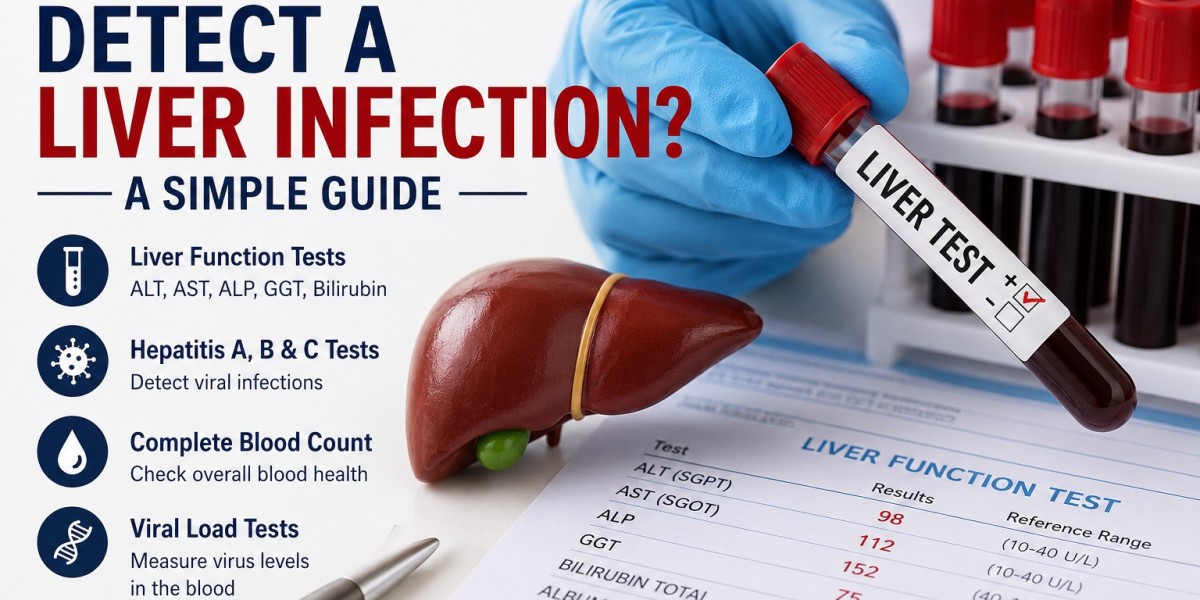
To find out about liver infections, doctors have to rely on liver function blood tests. Such blood tests can confirm the presence of inflammation and possible injury to the liver, and more importantly, can reveal the presence of the virus of concern whether it is hepatitis A, B or C.
Blood tests can be thought of as a detective for missing pieces of the puzzle. One blood test could point to the presence of stress on the liver, while another could suggest the presence of a specific virus. A plethora of test results is considered by doctors, not the results of a single test.
According to the CDC, the only reliable way to find out if a person has an infection is through testing, as the symptoms of different infections are often similar and cannot be attributed to a specific infection.
Learn which blood tests detect liver infections, including ALT, AST, bilirubin, and hepatitis A, B, and C tests, plus when to see a best liver transplant surgeon in India for proper diagnosis.
Table of Contents
| Sr# | Headings |
|---|---|
| 1 | What Is a Liver Infection? |
| 2 | Why Are Blood Tests Important? |
| 3 | Liver Function Tests for Infection |
| 4 | ALT and AST Tests |
| 5 | Bilirubin Test |
| 6 | Hepatitis A Blood Tests |
| 7 | Hepatitis B Blood Tests |
| 8 | Hepatitis C Blood Tests |
| 9 | Complete Blood Count and Other Tests |
| 10 | Viral Load Tests |
| 11 | Can Blood Tests Determine Severity of Infection? |
| 12 | When Should You Get Tested? |
| 13 | What Happens After an Abnormal Result? |
| 14 | When to See a Liver Specialist |
| 15 | Frequently Asked Questions |
1. What Is a Liver Infection?
An infection of the liver is when an infectious organism affects the liver. One of the most common causes of liver infections is viral hepatitis, especially hepatitis A, hepatitis B, and hepatitis C.
Other than some other types of infections, when people refer to "liver infections" relating to blood tests, they are typically referring to viral infections pertaining to hepatitis.
Some infections result in acute sickness, while others result in chronic infections. Hepatitis B and hepatitis C can result in chronic infections and have the potential to cause cirrhosis and liver cancer.
There are a number of symptoms which can occur, including:
Fatigue
Fever
Loss of appetite
Nausea with or without vomiting
Discomfort in the abdomen
Urine darker than normal
Stools lighter than normal
Yellowing of eyes or skin
Pain in the joints
Some people with viral hepatitis have no symptoms at all. This is the main reason testing is done.
2. Why Are Blood Tests Important?
You may be asking, “Can’t the doctor tell me that I have a liver infection when I come in with liver pain and jaundice? Why the need for blood tests?”
Not quite.
There are many conditions that result in similar symptoms to liver infections. For example, tiredness and some discomfort in the abdomen can be symptoms of viral hepatitis, fatty liver disease, liver injury due to medications, liver disease related to alcohol, and many more.
Blood tests can answer a lot of questions that a doctor may have, such as:
Has the liver sustained an injury?
Tests for this can include ALT and AST.
Is the liver struggling to process something?
There are multiple tests that can answer this.
Is there a hepatitis infection?
Tests for this can include antibodies, antigens, and many other tests.
Is the infection active?
Tests can also be done to determine if viral RNA or DNA is present in the blood.
WHO recommends serological testing for hepatitis B and C and, when relevant, additional molecular testing.
3. Liver Function Tests for Infection
One of the first groups of tests your doctor may order is referred to as a liver function test (LFT) or liver panel.
Even with the title, some tests in an LFT do not necessarily measure functions of the liver. Some tests measure liver injury, and others provide information about the liver’s ability to perform important functions.
Common measurements include:
ALT (alanine aminotransferase)
AST (aspartate aminotransferase)
ALP (alkaline phosphatase)
GGT (gamma-glutamyl transferase)
Bilirubin
Albumin
Total protein
Physicians may evaluate PT/INR for an assessment of the liver’s ability to produce clotting proteins.
The American Association for the Study of Liver Diseases indicates that ALT and AST are indicators of liver injury, while albumin and clotting measures indicate liver function.
Does an Abnormal LFT Prove That You Have an Infection?
No.
An increased level of ALT or AST is not indicative of a hepatitis infection. It indicates to your physician that further tests should be conducted.
It may be attributable to an infection, drug use, alcohol use, fatty liver, an autoimmune disorder, or other causes.
4. ALT and AST Tests
ALT and AST are popular blood tests for liver evaluation.
ALT is primarily found in the liver. An elevated ALT indicates injury to the liver cells. AST exists in various organs and tissues, making it less liver-specific.
ALT and AST can be markedly elevated in some acute viral infections of the liver.
However, the elevation of an enzyme cannot determine which specific virus is involved.
For instance, an elevated ALT can lead to the evaluation of hepatic causes of infection, including hepatitis A, B, and C, drug-induced injury, hepatic fatty infiltration, and other causes.
Therefore, liver enzyme tests are used in conjunction with specific hepatitis tests.
5. Bilirubin Test
Bilirubin is an important measurement when screening for possible liver disease.
Bilirubin is a product of the breakdown of old red blood cells. The liver processes it and excretes it.
Elevated levels of bilirubin can lead to jaundice, in which the skin and the sclerae of the eyes turn yellow.
Bilirubin can be elevated in hepatitis, but there are other causes. These include cholestasis and increased hemolysis.
Doctors may measure:
Total bilirubin
Direct bilirubin
Indirect bilirubin
The pattern can provide additional clues.
The American Association for the Study of Liver Diseases states that metabolism of bilirubin has a close association with the liver's ability to process and excrete substances, although there is no direct correlation between bilirubin levels and liver function.
6. Hepatitis A Blood Tests
Hepatitis A is primarily an acute infection. It typically does not become a chronic infection.
If hepatitis A is a concern, your physician will generally initiate the following blood test:
Anti-HAV IgM
The presence of IgM antibody to hepatitis A virus (IgM anti-HAV) generally helps confirm a recent or current hepatitis A infection.
The presence of IgG anti-HAV is generally indicative of a previous hepatitis A infection or vaccination and is not indicative of an acute infection.
The CDC advises that the test for IgM anti-HAV should only be done when hepatitis A is suspected and should not be used as a routine screening test.
In special cases, direct testing for the virus through HAV RNA testing can be performed.
Simple Interpretation
| Test | What It May Indicate |
|---|---|
| Anti-HAV IgM positive | Current or recent hepatitis A infection |
| Anti-HAV IgG positive | Previous infection or immunity |
| HAV RNA detected | Current hepatitis A infection |
7. Hepatitis B Blood Tests
Hepatitis B testing consists of several markers. Each hepatitis B test marker corresponds to a distinct question.
For initial screening, the CDC recommends a triple panel of:
HBsAg
Anti-HBs
Total anti-HBc
What Does HBsAg Mean?
HBsAg is an acronym for hepatitis B surface antigen.
The detection of HBsAg indicates that the hepatitis B virus is most likely present. Further testing is required to assess the infection.
What Does Anti-HBs Mean?
Anti-HBs is an antibody to the hepatitis B surface antigen.
This usually denotes immunity to hepatitis B from vaccination or recovery from infection, depending on the other test results.
What Does Anti-HBc Mean?
Anti-HBc is an antibody to the hepatitis B core antigen.
This antibody is associated with previous or current hepatitis B infection and is not produced by vaccination alone.
What Is IgM Anti-HBc?
IgM anti-HBc can indicate a recent or acute hepatitis B infection.
These markers are interpreted together to understand the individual's hepatitis B status.
8. Hepatitis C Blood Tests
Hepatitis C testing is slightly different.
The first test is usually an:
HCV Antibody Test
This test assesses whether antibodies to hepatitis C have been produced.
Here’s the important part:
A positive HCV antibody test means you have been exposed to hepatitis C at some point; it does not by itself indicate a current infection.
To determine whether the virus is currently present, doctors perform the:
HCV RNA Test
This is a sensitive, direct test for the genetic material of the virus.
Interpretation is generally as follows:
HCV antibody positive + HCV RNA detected = current HCV infection
HCV antibody positive + HCV RNA not detected = no current HCV infection
If the infection was very recent, antibodies may not yet have been produced. In this case, an RNA test may be recommended because viral RNA can become detectable before antibodies develop.
9. Complete Blood Count and Other Tests
In addition to hepatitis-specific tests, additional tests may be necessary.
A complete blood count (CBC) evaluates:
Red blood cells
White blood cells
Platelets
Possible anemia
Other blood abnormalities
Along with a CBC, doctors may request:
Albumin: Assesses the ability of the liver to produce the protein albumin.
PT/INR: Assesses how quickly the blood clots and provides information regarding the liver's synthetic function.
ALP and GGT: Can help identify patterns associated with liver or bile duct problems.
Kidney function tests: May be requested when a patient is significantly unwell or when specific treatments are being considered.
The specific tests requested depend on your symptoms, medical history, physical examination findings, and preliminary blood test results.
10. Viral Load Tests
Identifying the virus may be just the first step in the process.
A doctor may need to know the extent to which the virus is present in the blood.
For hepatitis B, a doctor may order an HBV DNA test.
For hepatitis C, an HCV RNA test may be performed.
WHO guidelines recommend molecular testing for HBV DNA or HCV RNA when appropriate after the relevant serological markers have been identified.
Why Is Viral Load Important?
Viral load can help doctors:
Confirm active infection
Assess the amount of virus present
Guide treatment decisions
Monitor response to treatment
Viral load is an important factor in the overall assessment. Your doctor will also consider other factors, including liver enzymes, fibrosis, symptoms, and imaging.
11. Can Blood Tests Determine Severity of Infection?
Blood tests are vital for assessing liver injury and dysfunction, but blood tests alone may be insufficient.
For example, a patient may display liver enzyme abnormalities but have minimal liver damage. Conversely, a patient may have chronic liver disease and display only mild liver enzyme elevation.
For this reason, medical professionals may order blood tests in addition to:
Ultrasound
Elastography/FibroScan
CT or MRI if indicated
Liver fibrosis assessments
Liver biopsy in selected cases
The AASLD indicates that, in addition to hepatitis testing and imaging, assessments of fibrosis and/or liver biopsy may be warranted in certain clinical situations.
This is why doctors may use multiple tests to understand the complete condition of the liver.
12. When Should You Get Tested?
Testing should be discussed with a medical professional if there are symptoms of, or circumstances associated with, hepatitis.
Some symptoms to be aware of include:
Jaundice
Dark urine
Excessive fatigue
Loss of appetite
Nausea and/or vomiting
Abdominal pain or discomfort
Unexplained liver enzyme abnormalities
Known exposure to hepatitis
A personal or family history that may increase the risk of hepatitis
According to the CDC, symptoms of viral hepatitis can include fatigue, fever, loss of appetite, and jaundice. However, the presence of these symptoms alone is insufficient to confirm viral hepatitis.
CDC guidelines for hepatitis B recommend screening all adults aged 18 years and older at least once, with additional testing based on risk factors and clinical judgment.
13. What Happens After an Abnormal Result?
An abnormal blood test does not automatically mean that you have serious liver disease.
Most often, your doctor looks at the whole picture.
For instance, if both ALT and AST levels are elevated, your doctor might perform further hepatitis testing and consider other possible causes.
If hepatitis testing is positive, further testing might be necessary to determine:
Whether the infection is currently active
Whether the infection is acute or chronic
Whether treatment is necessary
Whether there is significant fibrosis or scarring
Whether the liver needs regular monitoring
Seeing a positive hepatitis test is not the end of the world. Several liver infections can be treated or effectively managed, particularly when identified early.
Testing and diagnosis are important because they help patients access appropriate care, treatment, and monitoring.
14. When to See a Liver Specialist
Your doctor might recommend seeing a hepatologist or liver specialist if you have chronic or confirmed hepatitis, or if your liver tests show signs of significant liver damage.
This level of care may require a specialized multidisciplinary liver team and, in advanced cases, a transplant center.
Those looking for the best liver transplant surgeon in India should understand that transplant specialists are generally involved when liver disease has progressed to advanced or end-stage liver disease or when another condition warrants evaluation for possible transplantation.
A liver transplant surgeon is not the initial physician for every case of abnormal liver blood tests.
For a routine evaluation of a possible liver infection, your primary care physician, gastroenterologist, or hepatologist can initiate the diagnostic workup.
If there are symptoms of acute liver failure, confusion, altered mental status, severe jaundice, unusual bleeding, or rapidly worsening illness, immediate medical evaluation is necessary.
15. Frequently Asked Questions
1. Which Blood Test Is Most Important for Detecting a Liver Infection?
There is no single blood test that detects all liver infections. Liver enzymes such as ALT and AST can show liver injury, while hepatitis-specific tests can identify the infection causing the injury. The specific tests are determined by your physician based on the suspected infection.
2. Can a Liver Function Test Detect Hepatitis?
A liver function test can show injury to the liver, but hepatitis cannot be confirmed by an LFT alone. Specific tests for hepatitis A, B, or C are required when viral hepatitis is suspected.
3. Can Hepatitis Happen If Liver Enzymes Are Normal?
Yes. Liver enzymes can fluctuate during an infection, and some individuals with viral hepatitis may have mild or no enzyme abnormalities. A normal ALT or AST does not always rule out viral hepatitis.
4. What Is the Blood Test for Hepatitis C?
Typically, an HCV antibody test is performed first. If the result is reactive, an HCV RNA test is used to determine whether the virus is currently present. If HCV RNA is detected, this indicates a current HCV infection.
5. Do I Need a Liver Specialist If My Liver Blood Results Show Abnormalities?
It depends on the results and your overall health. Mild or temporary abnormalities may initially be evaluated by a general physician. Persistent abnormalities, confirmed hepatitis, significant fibrosis, cirrhosis, or suspected liver failure may require evaluation by a gastroenterologist or hepatologist.
Conclusion
Blood tests are among the simplest and most effective methods for evaluating a suspected liver infection. These tests can measure liver enzymes and other parameters such as ALT, AST, bilirubin, albumin, and clotting markers. When viral hepatitis is suspected, specific tests for hepatitis A, B, and C can help identify the cause.
The most important message is that one abnormal liver measurement or one symptom is not sufficient to diagnose a liver infection. Your doctor needs to evaluate the complete pattern of test results and decide whether additional blood tests, imaging, or specialist consultation is necessary.
Because testing for viral hepatitis can help patients receive appropriate care and treatment, early testing can make an important difference.
If you are experiencing jaundice, continuous vomiting, severe abdominal pain, unusual bleeding, confusion, or rapidly worsening illness, do not wait for a routine test. Seek immediate medical attention.