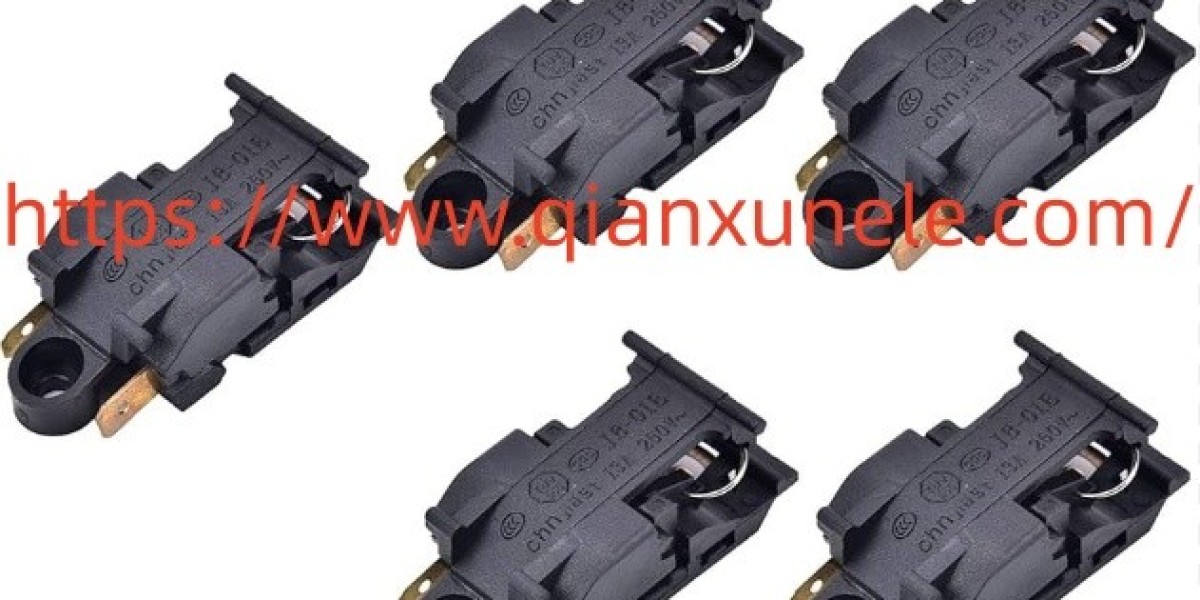

Anti-Drying Kettle Thermostat technology is designed to respond when an electric heating appliance experiences an abnormal rise in temperature caused by insufficient liquid. During normal operation, water absorbs heat from the heating element. If the liquid becomes depleted or the appliance starts without enough water, temperature conditions can change quickly. A suitable thermal control component can respond to this change and interrupt the electrical circuit, adding an important layer of protection to the appliance.
Why Abnormal Heating Requires Attention
An electric heating appliance normally transfers energy into water or another liquid. The liquid helps keep the heating area within its intended operating conditions.
When there is insufficient liquid, that heat absorption process changes. The heating surface can become considerably hotter than during ordinary use. Continued operation under these conditions may place additional stress on the heating element, surrounding materials, wiring, and other internal components.
This is why automatic temperature control matters during product design. Instead of depending entirely on the user to notice an abnormal condition, the appliance can incorporate a component that reacts to changes in temperature.
How Thermal Protection Works
A thermal control device generally relies on a heat-sensitive mechanism. As temperature changes, the sensing element responds according to its design characteristics.
When the temperature reaches a predetermined protection point, the mechanism can change the electrical state of the circuit. This interrupts power to the heating assembly and stops further heat generation.
The process is automatic and does not require the user to manually press a switch.
After the appliance cools, some designs can reset and prepare for another operating cycle, while other configurations may require replacement or manual intervention. The appropriate approach depends on the appliance design and intended application.
The Role Of Temperature Response
Temperature response is an important consideration when selecting a component.
If the response occurs too late, excessive heat may already have affected nearby components. If the response point does not match the appliance design, normal operation could be interrupted unnecessarily.
Manufacturers therefore need to consider the relationship between the heating element, mounting location, thermal path, housing materials, and control component.
The sensing position is particularly important. Heat must reach the sensing mechanism in a predictable way so that the switching action corresponds with actual operating conditions.
Supporting Automatic Power Interruption
One useful function of thermal protection is automatic power interruption.
When abnormal heating is detected, the component can open the electrical circuit. Once the circuit is interrupted, the heating element no longer receives operating power.
This simple principle can help reduce continued heat accumulation.
For manufacturers, the benefit comes from integrating the protective function into the overall appliance design. The thermal component works together with the heating element, electrical circuit, housing, and other control elements rather than operating as an isolated part.
What Manufacturers Should Consider
Selecting a thermal control component requires more than checking a single temperature value.
Manufacturers can review several factors:
Operating temperature requirements
Protection temperature
Electrical load
Contact configuration
Installation position
Physical dimensions
Mounting method
Reset behavior
Material compatibility
Production requirements
Applicable testing requirements
These factors should be evaluated according to the finished appliance rather than considered separately.
A component suitable for one heating product may require different characteristics when integrated into another design.
Compatibility With Appliance Construction
Different appliances use different heating structures and housing materials. The thermal path can therefore vary considerably.
For example, the distance between the heating surface and sensing component can influence response behavior. Mounting pressure, contact with metal surfaces, insulation materials, and surrounding construction may also affect how heat reaches the sensing mechanism.
For this reason, component selection should happen alongside product engineering.
Qianxunele can support manufacturers evaluating thermal control components for appliance projects by discussing application requirements, installation conditions, and product configurations.
Why Testing Matters During Production
A component may perform correctly during an individual inspection but still need to be evaluated as part of the complete appliance.
Manufacturers can conduct functional testing to observe whether the circuit interrupts at the intended condition. Repeated operating cycles can also help assess whether switching behavior remains consistent during production use.
Testing can include normal heating, abnormal heating, reset behavior, electrical continuity, and compatibility with the finished assembly.
This approach helps manufacturers identify integration issues before products enter regular production.
Balancing Safety And Everyday Operation
Thermal protection should not interfere unnecessarily with normal appliance operation.
During ordinary use, the heating system should operate according to its intended control process. Protection should become active when conditions move outside the defined operating range.
This balance depends on appropriate temperature settings, component placement, electrical design, and mechanical integration.
A well-planned appliance therefore treats thermal protection as part of the overall engineering process rather than simply adding a component at the end of development.
Considerations For Bulk Purchasing
For buyers purchasing components in volume, consistency is another practical consideration.
Product dimensions, electrical characteristics, mounting arrangements, packaging, and production quantities should correspond with the requirements of the finished appliance.
Buyers may also want to discuss samples before placing larger orders. Sample evaluation can help confirm physical compatibility and allow engineers to test the component within their own assembly.
Clear communication between the buyer and manufacturer can reduce misunderstandings regarding application conditions and production expectations.
Building Safer Heating Products
Automatic thermal protection is one part of a broader appliance safety strategy. Heating elements, wiring, switches, housings, sensors, and protective components all need to work together according to the intended product design.
For manufacturers, the selection process should therefore consider actual operating conditions rather than focusing on one isolated feature.
Qianxunele develops thermal control components for electric heating appliance applications and can work with buyers around product configuration, integration requirements, and purchasing needs.
For manufacturers reviewing suitable thermal control solutions for appliance projects, product information and related component options are available at https://www.qianxunele.com/