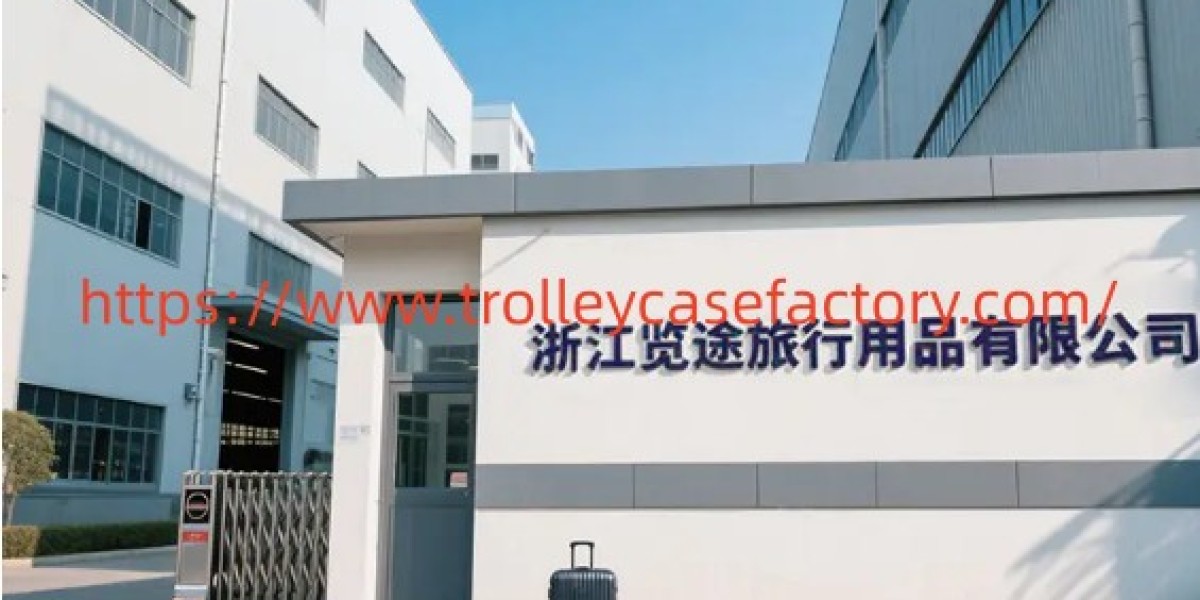

Trolley Luggage Factory sourcing can give travel brands a practical way to develop products around their own commercial requirements. Instead of choosing only from standard retail inventory, buyers can discuss designs, colors, materials, interior layouts, branding, packaging, and order plans directly with a manufacturer. This approach can suit travel retailers, distributors, private label businesses, and companies preparing new luggage collections.
For a brand, sourcing is not simply about purchasing finished cases. The process often starts with an idea and continues through product selection, customization, sampling, approval, production, inspection, and shipping. Having these stages clearly arranged can make cooperation easier and give buyers more control over the details that matter to their customers.
Why Do Travel Brands Work Directly With Manufacturers
Direct manufacturing relationships can make product communication more straightforward. A buyer can explain the intended market, customer group, preferred appearance, and functional requirements to the production team rather than communicating through several separate channels.
For example, a travel company may want a particular color combination, logo position, interior organization, or exterior finish. These details can be discussed before a sample is produced. If adjustments are needed, the brand can communicate them during the development stage.
This process can also help businesses create a consistent collection. Instead of purchasing unrelated products, a brand can coordinate several designs around a similar visual identity.
For businesses building a recognizable travel range, this consistency can matter when products are displayed together through online stores, physical retailers, exhibitions, or other sales channels.
What Product Details Can Brands Discuss
Product development can involve many individual details. The outer appearance is only one part of the conversation.
A buyer may need to consider shell construction, surface texture, colors, dimensions, wheel arrangements, handle configuration, locking components, zipper details, lining, compartments, and logo placement.
Interior organization can also influence the intended customer experience. Some travelers may prefer open compartments, while others may value separate sections for clothing, accessories, or personal items.
Packaging can be discussed as well. Brands selling through retail channels may have specific requirements for cartons, labels, product information, protective materials, or presentation.
The exact options available will depend on the manufacturer and product design, so buyers should communicate their requirements clearly before confirming an order.
How Does Sampling Help Brand Buyers
Samples give buyers an opportunity to evaluate a physical product before larger production begins. This can be particularly useful when the product includes customized colors, branding, interior details, or structural changes.
A sample review may involve checking the appearance, proportions, handle movement, wheel operation, interior arrangement, stitching or assembly details, and overall presentation.
If something does not match the original requirement, the buyer can communicate the requested adjustment. This creates a useful checkpoint between product development and production.
For new brands, sampling can also help identify details that were difficult to judge from drawings or digital images. A physical sample provides a more practical reference for deciding whether the product is ready for the intended market.
What Should Buyers Check Before Ordering
Before entering a production agreement, buyers should review several areas carefully.
Product capability
The manufacturer should have experience with the type of luggage being requested. Buyers can ask about available designs, production methods, customization options, and previous project experience.
Customization
Brands should clarify which details can be modified. These may include colors, logos, materials, interior components, hardware, packaging, and other appearance elements.
Order quantity
The expected order quantity should be discussed before production planning. This helps both sides establish whether the project fits their purchasing requirements.
Sample approval
Buyers should understand how samples are created and how revisions are handled before mass production begins.
Inspection
A clear inspection arrangement can help define expectations for finished products, including appearance, assembly, components, and packaging.
Delivery planning
Production time, packaging, shipping arrangements, and required documentation should be discussed early so the brand can plan inventory accordingly.
These considerations can help buyers avoid making decisions based solely on product appearance or initial pricing.
Why Customization Can Matter To Travel Brands
Travel products often compete within visually diverse markets. A brand may want its luggage to match an existing color palette, logo system, or broader product identity.
Customization allows businesses to build a more coordinated collection. For instance, several sizes can share similar exterior styling while using different capacities and interior layouts for different travel situations.
A company may also choose different designs for business travelers, family trips, weekend travel, or general holiday use. The appropriate product structure depends on the customer group and intended sales channel.
For this reason, brands should define their target market before discussing product details. Knowing who will use the product can make design decisions more focused.
How Production Communication Influences Results
Clear communication is important throughout the sourcing process. Product requirements can contain many small details, and missing one of them may affect the final result.
Written specifications can help organize information about colors, dimensions, materials, logos, interior arrangements, packaging, and other requirements.
It is also useful to confirm revisions in a structured way. When a sample changes, the updated details should be recorded so both parties are working from the same information.
For international sourcing projects, organized communication can be especially helpful because product development may involve different languages, time zones, shipping arrangements, and approval procedures.
A simple workflow can therefore make cooperation easier: discuss the concept, confirm requirements, review the sample, approve changes, arrange production, inspect finished products, and prepare shipment.
How trolleycasefactory Can Support Product Development
trolleycasefactory provides a product sourcing option for brands looking to develop or expand luggage collections. The process can begin with an existing product concept and develop around a brands specific requirements.
Rather than treating every buyer the same, product discussions can focus on practical factors such as intended market, design preferences, product categories, branding requirements, packaging needs, and expected purchasing volume.
This can be useful for companies that want to build a coordinated luggage range rather than purchase unrelated products from different sources.
For buyers, the manufacturing relationship should still be evaluated according to their own requirements. Product capability, communication, customization options, sample procedures, inspection arrangements, and delivery planning are all worth discussing before an order is confirmed.
Building A Sourcing Plan Around Real Market Needs
Travel brands can make sourcing decisions more efficiently when they begin with a clear picture of their customers. The desired luggage size, appearance, internal organization, materials, colors, and branding can then be connected to the intended market.
After the product direction is established, manufacturers can be approached for discussions about available designs and customization possibilities. Samples can provide a practical checkpoint before production, while clear inspection and packaging requirements can help organize the final stages.
trolleycasefactory can be part of this process for brands reviewing luggage manufacturing options and planning new product collections. A thoughtful sourcing process allows both the buyer and manufacturer to focus on the actual requirements of the project.
Brands and distributors can review the available product range and connect their sourcing plans naturally with https://www.trolleycasefactory.com/product/