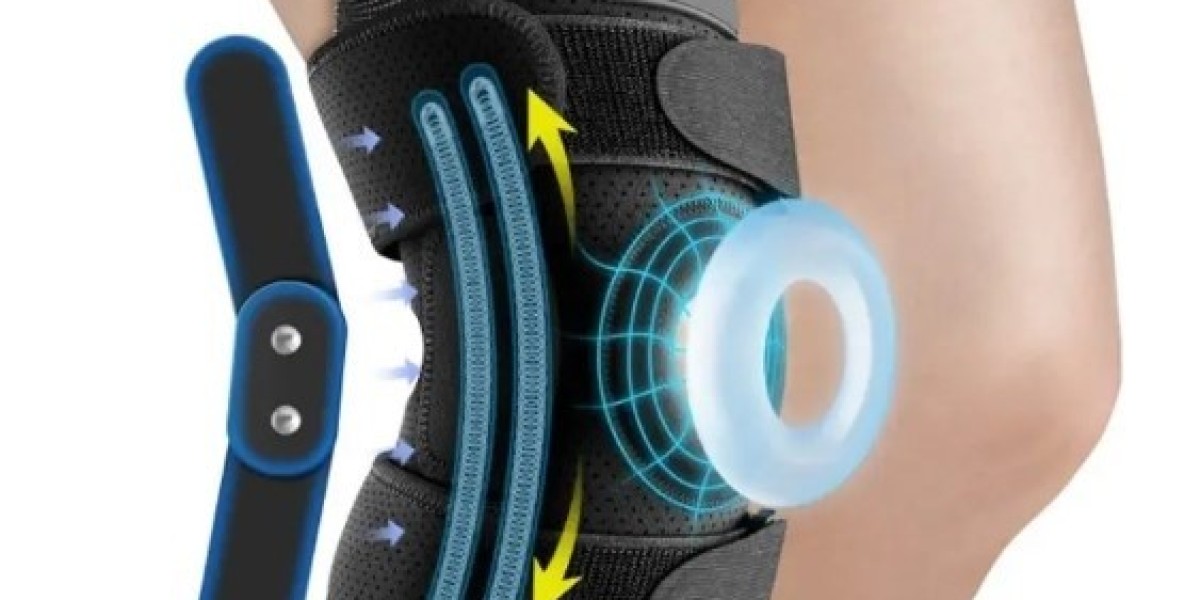

Knee Brace selection should begin with the activity, wearing conditions, and level of support required. Sports training and physical work can involve repeated bending, walking, lifting, jumping, or changes in direction, so one design may not suit every situation. Fit, flexibility, material construction, adjustment methods, and wearing comfort should all be considered before making a purchase.
Start With the Intended Activity
The first question is where the product will be used. Running, strength training, basketball, cycling, warehouse work, construction tasks, and outdoor maintenance can place different demands on the legs.
Athletes may need freedom of movement during repeated changes of direction. Workers may instead need something comfortable during long periods of standing, walking, bending, or lifting. Identifying the activity helps narrow the range of suitable designs.
For buyers supplying products to different users, separating sports applications from workplace applications can also make product selection and inventory planning easier.
Consider the Required Support Level
Different designs provide different levels of structure. Lightweight elastic products may suit users seeking a relatively simple layer around the joint, while designs with straps, stays, hinges, or molded sections may provide a more structured approach.
Medical and sports literature commonly separates braces into categories such as prophylactic, functional, rehabilitative, and patellofemoral designs. Each category has a different intended purpose, so buyers should match the design with the actual application rather than choosing based only on appearance.
If someone has an existing injury or persistent pain, product selection should not replace professional assessment. A healthcare provider can determine whether a brace is appropriate and which type may be suitable.
Pay Attention to Fit
Fit is one of the practical factors that can affect everyday use. A product that is too loose may move during activity, while excessive tightness can create discomfort.
Sizing methods vary between manufacturers. Buyers should review the measurement instructions and compare them with the intended users. For ready made products, accurate measurement can reduce problems caused by choosing an unsuitable size. Research also notes that incorrect sizing can contribute to movement, discomfort, or poor user adherence.
For sports applications, checking the fit during typical movements can be useful. For work applications, users should also consider how the product fits beneath or alongside work clothing.
Look at Materials and Construction
Material selection affects weight, flexibility, breathability, and how the product feels against the skin. Depending on the design, manufacturers may use textiles, elastic materials, plastics, metals, gels, or composite components.
More structured designs can provide additional mechanical support but may also feel heavier or restrict movement. Flexible materials can provide greater freedom but may offer a different level of stabilization.
This creates a practical balance for buyers. A person training indoors may have different material preferences from someone working outdoors for several hours.
Construction details also deserve attention. Stitching, fastening systems, seams, hinges, padding, and adjustment points can influence how easily the product is worn and maintained.
Think About Movement and Comfort
A product needs to remain practical while the user moves. During sports, athletes may run, pivot, squat, jump, or land repeatedly. During physical work, employees may kneel, climb, carry materials, or move between standing and crouching positions.
Comfort can influence whether users continue wearing a product. Recent research highlights fit, weight, breathability, skin comfort, and ease of adjustment as relevant parts of the user experience.
A design that feels restrictive during ordinary movement may not be suitable for a particular activity. Buyers should therefore consider the actual motion involved instead of focusing on a single product feature.
Check Adjustment and Position Stability
Straps and fastening systems can affect how easily a product can be adjusted. A practical design should allow users to position it correctly without creating unnecessary complexity.
During activity, movement of the product can also become an issue. Previous clinical guidance has emphasized proper fitting and checking placement during use.
For organizations purchasing in quantity, simple adjustment procedures can be useful because different users may need to fit the same product independently.
Consider the Wearing Environment
Sports and work environments can expose products to different conditions. Indoor training may involve perspiration and repeated washing, while outdoor work can involve dust, moisture, temperature changes, and extended wearing periods.
Buyers should therefore review cleaning instructions, material care, drying requirements, and expected frequency of use. A product intended for regular workplace use may need a different maintenance approach from one used occasionally for recreational exercise.
Comfort during extended use also matters. Breathability and moisture management can influence how suitable a design feels over longer periods.
Match the Product With the User
Not every user has the same body shape, activity pattern, or support requirement. Some people may prefer lightweight construction, while others may need a more structured design based on professional advice.
For commercial buyers, offering several sizes or design categories may help address different customer groups. Product descriptions should clearly communicate intended applications without making unsupported health or performance claims.
steriger can support buyers evaluating sports and workplace support products according to application, sizing, material preferences, and purchasing requirements. Clear communication about the intended use can make product selection more practical.
Review Quality and Supplier Communication
When purchasing for a project, buyers can also examine manufacturing consistency, product documentation, packaging, sample procedures, and communication during order preparation.
A supplier that can discuss application requirements clearly can make the sourcing process easier to organize. Buyers may provide measurements, usage conditions, target markets, and packaging expectations before confirming an order.
For private label or wholesale projects, these details become particularly relevant because product selection is only one part of the purchasing process.
Making a Practical Choice
Choosing support equipment for sports or work should involve more than comparing appearance or price. The intended activity, support level, fit, material, adjustment method, comfort, maintenance, and wearing environment all deserve consideration.
A sensible selection process connects the product with the actual movements and conditions users will encounter. This approach can help buyers avoid choosing a design that does not match the application.
For businesses reviewing sports and workplace support products, steriger offers product options that can be evaluated according to different application requirements. Product categories can be reviewed naturally through https://www.steriger.com/product/ when planning sourcing needs and comparing suitable solutions.










