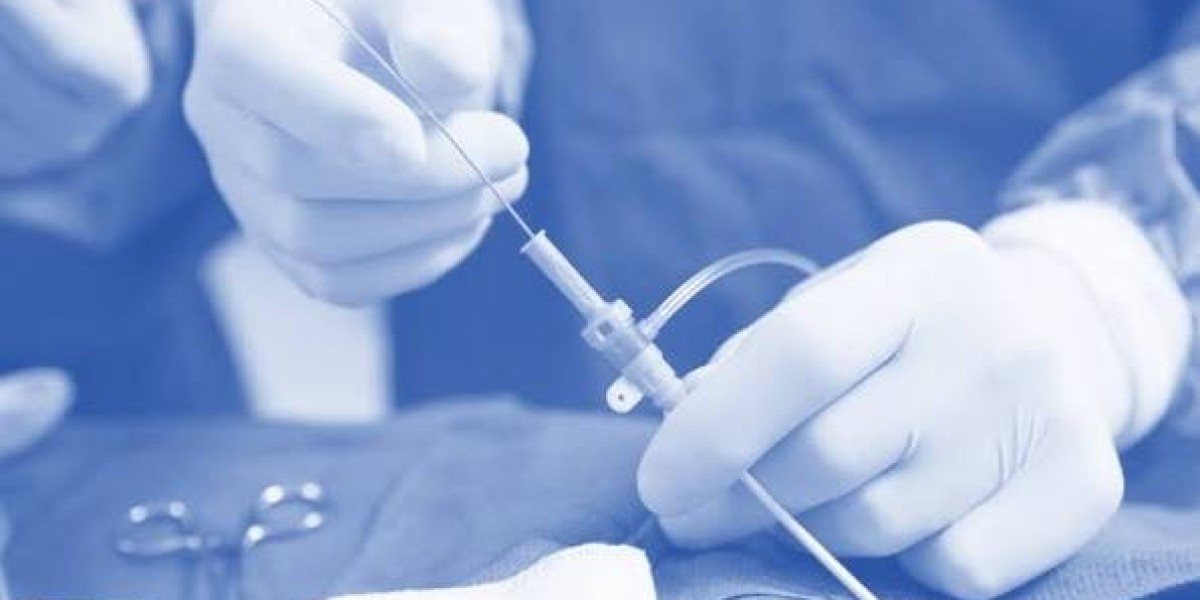

Providing safe and hygienic catheter care at home requires consistency, proper hand hygiene, careful handling, and awareness of potential complications. For families looking for Catheter Care at Home Dubai, understanding the correct daily routine can make catheter management more comfortable and reduce avoidable risks. A Doctor at Home service may also be useful when patients need professional assessment without travelling to a clinic or hospital. Whether catheter care is being managed by the patient, a family member, or a trained caregiver, all procedures should follow the personalised instructions provided by the treating healthcare professional.
Understanding Catheter Care at Home:
A urinary catheter is a flexible tube that drains urine from the bladder when a person cannot empty the bladder normally or requires ongoing urinary drainage. Catheters may be inserted through the urethra or, in some cases, through the lower abdomen as a suprapubic catheter. While catheterisation can be an important part of medical care, it can also increase the risk of urinary tract infections, blockage, skin irritation, and other complications. Safe home care therefore focuses on maintaining cleanliness, keeping urine flowing freely, protecting the catheter and surrounding skin, and recognising changes that may require medical attention. Patients and caregivers should never make changes to the catheter system unless specifically instructed by a qualified healthcare professional.
Wash Your Hands Before and After Catheter Care:
Hand hygiene is one of the simplest and most important ways to support safe catheter care. Hands should be washed thoroughly with soap and water before touching the catheter, drainage tubing, or collection bag and again after completing any catheter-related task. This helps reduce the transfer of bacteria to the catheter system or surrounding skin. Caregivers should also maintain clean fingernails and avoid unnecessary contact with connection points. If a patient or caregiver has difficulty maintaining the recommended hygiene routine, a healthcare professional can demonstrate the appropriate technique. Keeping soap, clean towels, and necessary catheter supplies in an accessible location can make regular care easier and more consistent.
Keep the Catheter and Surrounding Skin Clean:
The skin around the catheter should generally be cleaned as part of the patient's daily hygiene routine, following the instructions provided by the healthcare team. Mild soap and water may be appropriate for routine cleaning, but patients should avoid harsh products or applying creams, powders, antiseptics, or lotions unless specifically recommended. The area should be cleaned gently rather than scrubbed, and moisture should be carefully dried afterward. Excessive rubbing can cause irritation and damage delicate skin. Maintaining clean, dry skin can improve comfort and make it easier to notice redness, swelling, tenderness, or unusual discharge that could indicate a problem requiring professional assessment.
Keep the Drainage Bag Below Bladder Level:
Correct drainage-bag positioning is essential for maintaining effective urine flow. The collection bag should generally remain below the level of the bladder so that urine can drain through gravity and reduce the likelihood of backflow. The tubing should be positioned comfortably without sharp bends, twisting, compression, or unnecessary tension. Patients should avoid placing the drainage bag on the floor because this can increase contamination risks. During sleep, the bag should remain appropriately positioned and supported rather than being pulled by the catheter. Regularly checking the tubing and bag can help identify drainage problems before they become more uncomfortable or serious.
Empty the Drainage Bag Safely:
The drainage bag should be emptied according to the instructions provided by the healthcare professional and before it becomes excessively full. Before and after emptying the bag, wash your hands thoroughly. Avoid allowing the drainage outlet to touch the toilet, container, floor, or other potentially contaminated surfaces. After emptying, close the outlet securely and check that the system is positioned correctly. Patients using different types of drainage systems may have specific instructions for changing or connecting bags, so caregivers should follow the manufacturer's and healthcare professional's guidance. Never disconnect catheter components unnecessarily, as maintaining a closed drainage system can be an important part of reducing contamination.
Maintain a Regular Catheter Care Routine:
A consistent routine makes it easier for patients and families to notice changes in catheter function or the patient's condition. Daily checks should focus on cleanliness, comfort, urine drainage, tubing position, and the appearance of the skin around the catheter. Caregivers can use a simple routine such as:
- Wash hands before handling the catheter system.
- Check that urine is draining normally.
- Inspect the catheter area for redness, swelling, irritation, or discharge.
- Make sure the tubing is not twisted or compressed.
- Keep the drainage bag below bladder level.
- Empty the bag using hygienic technique.
- Follow the healthcare professional's instructions for catheter and equipment changes.
- Record unusual symptoms or changes that may need to be reported.
A written routine can be particularly helpful when several family members participate in caregiving.
Recognise Signs of Infection or Other Problems:
Knowing the warning signs of catheter-related complications is just as important as knowing how to clean the catheter. Patients should seek medical advice if they develop symptoms such as fever, chills, increasing pain, significant redness or swelling, unusual discharge, or feeling generally unwell. Changes in urine appearance or smell can occur for several reasons and should be discussed with a healthcare professional when they are persistent or accompanied by other symptoms. A catheter that stops draining, particularly when accompanied by bladder discomfort or abdominal pain, may require prompt assessment. Patients and caregivers should not attempt to forcefully flush, reposition, remove, or replace an indwelling catheter unless they have been specifically trained and instructed to do so.
Support Healthy Hydration and Comfort:
Adequate fluid intake may support normal urinary function for some patients, but hydration recommendations must always take the individual's medical condition into account. People with certain heart, kidney, or other medical conditions may have specific fluid restrictions. Patients should therefore follow their clinician's advice rather than deliberately increasing fluid intake without guidance. Comfortable clothing can also reduce pulling and pressure on the catheter and tubing. During movement, the drainage system should remain secure without creating tension. Patients should ask their healthcare professional for personalised advice before swimming, exercising, travelling, or making significant changes to their normal activities.
Know When Professional Home Care Is Appropriate:
Some patients can manage catheter care independently, while others may require assistance because of limited mobility, age, weakness, cognitive difficulties, or complex medical needs. Professional home healthcare can provide valuable support when a patient or caregiver is uncertain about catheter management or when a catheter-related concern needs clinical assessment. In Dubai, patients can seek healthcare services from appropriately licensed professionals and facilities. Professional support can also help caregivers learn safe techniques and understand which symptoms require medical attention. The goal is not simply to manage the catheter but to protect the patient's overall comfort, dignity, hygiene, and wellbeing while following the prescribed care plan.
Avoid Common Catheter Care Mistakes:
Even small mistakes can create unnecessary risks when a catheter is being managed at home. Patients and caregivers should focus on maintaining clean hands, protecting the drainage system, and following professional instructions instead of improvising. Common mistakes to avoid include:
- Touching catheter connections with unwashed hands.
- Allowing the drainage bag to rise above bladder level.
- Placing the drainage bag directly on the floor.
- Allowing tubing to become kinked or compressed.
- Using unapproved cleaning products around the catheter.
- Pulling, tugging, or unnecessarily manipulating the catheter.
- Ignoring persistent pain, fever, or other concerning symptoms.
- Removing or replacing an indwelling catheter without professional instruction.
Avoiding these errors can make daily catheter management safer and more predictable.
When to Contact a Healthcare Professional:
Not every change requires an emergency response, but persistent or concerning symptoms should not be ignored. Contact a healthcare professional when there is difficulty with urine drainage, increasing discomfort, signs of infection, significant skin changes, unusual discharge, or uncertainty about how to manage the catheter. Prompt assessment can help determine whether the catheter is blocked, displaced, irritating the skin, or associated with another medical issue. If the patient becomes severely unwell or develops symptoms that appear urgent, seek immediate medical attention. Caregivers should keep the patient's catheter information and healthcare provider contact details readily available so that professional advice can be obtained without unnecessary delays.
Final Thoughts
Safe and hygienic catheter care at home depends on good hand hygiene, gentle cleaning, correct drainage-bag positioning, regular monitoring, and knowing when professional help is needed. Families can make catheter management easier by establishing a simple daily routine and ensuring that everyone involved understands the patient's care instructions. For those searching for Catheter Care at Home Dubai, professional home healthcare can offer additional assistance when mobility, complexity, or uncertainty makes independent care challenging. Most importantly, catheter care should always be personalised to the patient's medical needs and guided by qualified healthcare professionals. Consistent attention to hygiene and early recognition of problems can support comfort, dignity, and safer recovery or long-term catheter management.