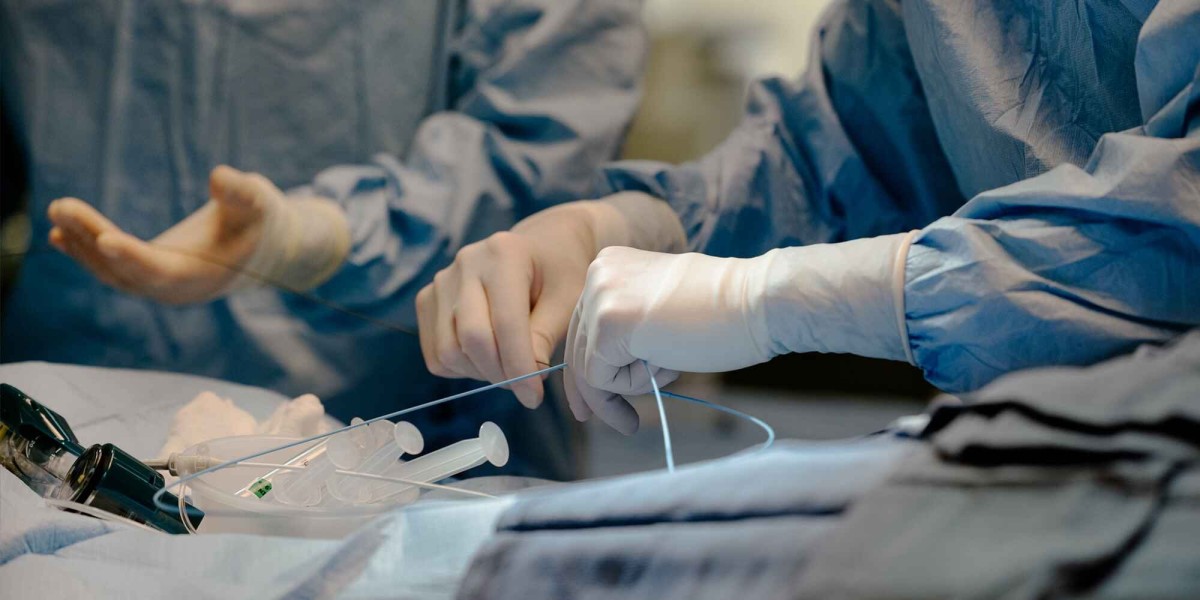

Providing proper catheter care at home is essential for preventing infections, maintaining comfort, and supporting a safe recovery. For families looking for reliable Catheter Care at Home Dubai, understanding correct hygiene practices can make daily catheter management easier and safer. Professional support, including guidance from a Doctor at Home, can also help patients and caregivers understand catheter maintenance, warning signs, and when medical attention is needed.
Understand the Purpose of Catheter Care:
A urinary catheter is a flexible tube used to drain urine from the bladder when a person cannot urinate normally. Whether the catheter is temporary or long-term, careful daily management is important because bacteria can enter the urinary tract through the catheter and potentially cause infection. Before providing care, caregivers should understand the type of catheter being used, how it is secured, how the drainage system works, and the instructions provided by the healthcare professional. Good catheter care generally involves keeping the equipment clean, maintaining proper hand hygiene, preventing unnecessary disconnection of the drainage system, and monitoring urine output and appearance. Patients should never attempt to remove or replace a catheter unless they have been specifically trained and instructed to do so.
Wash Hands Before and After Care:
Hand hygiene is one of the simplest and most effective ways to reduce the spread of bacteria during catheter care. Caregivers should wash their hands thoroughly with soap and clean running water before touching the catheter, drainage tubing, or surrounding skin and again after completing the procedure. If soap and water are not immediately available, an appropriate alcohol-based hand sanitizer can be used when hands are not visibly dirty. Avoid touching the catheter tip, drainage outlet, or other sterile components unnecessarily. Keeping a clean supply of catheter-care materials within easy reach can also reduce the likelihood of touching household surfaces during care. Patients and caregivers should be particularly careful after using the bathroom, handling waste, or performing any activity that could contaminate their hands.
Keep the Catheter and Surrounding Skin Clean:
Daily hygiene around the catheter insertion area is important for reducing irritation and bacterial buildup. Follow the healthcare provider's instructions for cleaning the area, generally using mild soap and water rather than harsh antiseptics unless specifically recommended. Gently clean around the catheter without pulling, twisting, or unnecessarily moving the tube. The surrounding skin should be dried carefully with a clean towel or disposable material. Avoid applying powders, creams, perfumes, or other products near the insertion site unless a healthcare professional has recommended them. Patients should also maintain regular bathing according to their medical condition and catheter type. Any persistent redness, swelling, tenderness, discharge, skin breakdown, or unusual discomfort should be reported to a healthcare professional.
Maintain a Closed Drainage System:
Keeping the catheter connected to its drainage system can help reduce the risk of introducing bacteria. Unnecessary disconnection of the catheter and drainage tubing should therefore be avoided. The drainage bag should remain below the level of the bladder so urine can flow properly and prevent backflow. At the same time, ensure the tubing is not kinked, compressed, or trapped underneath the patient's body. The drainage bag should be emptied regularly before it becomes overly full, following the instructions provided by the healthcare team. When emptying the bag, avoid allowing the drainage outlet to touch the toilet, container, floor, or other potentially contaminated surfaces. Clean the outlet according to the instructions supplied for the specific catheter system.
Follow Safe Drainage Bag Practices:
Correct handling of the drainage bag is another important part of hygienic catheter management. Depending on the patient's needs, a healthcare professional may recommend a bedside drainage bag for nighttime use and a smaller leg bag for daytime mobility. The appropriate equipment should be selected and maintained according to professional instructions. Caregivers should check the tubing regularly to ensure urine is flowing freely and observe whether the bag is positioned correctly. Useful daily practices include:
- Empty the drainage bag when it becomes sufficiently full rather than allowing it to become excessively heavy.
- Keep the bag below bladder level while the patient is lying, sitting, or standing.
- Avoid placing the drainage bag directly on the floor.
- Do not allow the drainage outlet to contact unclean surfaces.
- Secure tubing and the bag appropriately to prevent pulling or accidental dislodgement.
- Follow the recommended cleaning or replacement schedule for reusable equipment.
Recognize Signs of Possible Infection:
Catheter-associated urinary tract infections can occur despite appropriate care, so recognizing warning signs is important. Patients or caregivers should monitor for symptoms such as fever, chills, lower abdominal discomfort, new or worsening pain, unusual weakness, or changes in urinary symptoms. Urine may sometimes appear cloudy or have an unusual odor, although these changes alone do not necessarily confirm an infection. Blood in the urine, significant discomfort, pus-like discharge around the catheter, or sudden changes in the patient's condition should also receive prompt medical attention. Older adults or medically vulnerable patients may sometimes show less typical symptoms, including sudden confusion or functional decline. If infection is suspected, avoid self-prescribing antibiotics and seek professional medical advice for appropriate assessment and treatment.
Prevent Blockages and Accidental Pulling:
A blocked or displaced catheter can prevent urine from draining properly and may cause discomfort or bladder complications. Caregivers should regularly check that the tubing is open and positioned without sharp bends. The catheter should be secured according to professional instructions to reduce accidental pulling during movement, sleeping, dressing, or transfers. Patients should avoid tugging on the tubing or attempting to reposition the catheter forcefully. If urine suddenly stops draining despite appropriate positioning, or if the patient develops significant bladder discomfort or abdominal swelling, medical advice should be sought promptly. Never attempt to force fluids through the catheter or manipulate the catheter to clear a blockage unless specifically trained and instructed by a qualified healthcare professional.
Stay Hydrated and Follow Medical Instructions:
Unless a healthcare professional has advised fluid restriction because of another medical condition, maintaining adequate hydration may support normal urinary function and help prevent concentrated urine. Patients should follow their individualized fluid recommendations rather than adopting a fixed amount without medical advice. A balanced diet, appropriate mobility, and regular bowel habits can also contribute to overall comfort during catheter use. Constipation may sometimes interfere with bladder function or make catheter management more difficult. Keep a record of relevant changes in urine output, discomfort, temperature, or catheter function when recommended by the healthcare team. Consistent observation allows caregivers to identify changes earlier and communicate useful information during medical consultations.
Know When Professional Help Is Needed:
Home catheter care should not replace professional medical assessment when complications arise. Seek prompt medical guidance if the catheter becomes dislodged, urine stops draining, significant bleeding occurs, severe pain develops, or symptoms of infection appear. Emergency evaluation may be necessary when symptoms are severe or accompanied by serious deterioration in the patient's condition. Patients who are uncertain about catheter handling should request practical instruction from a qualified healthcare professional rather than relying solely on online advice. Professional home healthcare services can also be useful for patients who require assistance with catheter maintenance or have difficulty managing their care independently. Regular medical follow-up helps ensure that the catheter remains appropriate and that any underlying urinary problem is being addressed.
Final Thoughts
Safe catheter care at home depends on consistent hygiene, careful handling, proper drainage practices, and awareness of potential complications. Washing hands, keeping the catheter area clean, maintaining a closed drainage system, positioning the bag correctly, and monitoring for warning signs are all important parts of everyday care. Caregivers should follow the patient's individualized medical instructions and seek professional assistance whenever something seems unusual or difficult to manage. With appropriate education and routine precautions, catheter management can be made more comfortable, hygienic, and safer for patients receiving care at home in Dubai.










