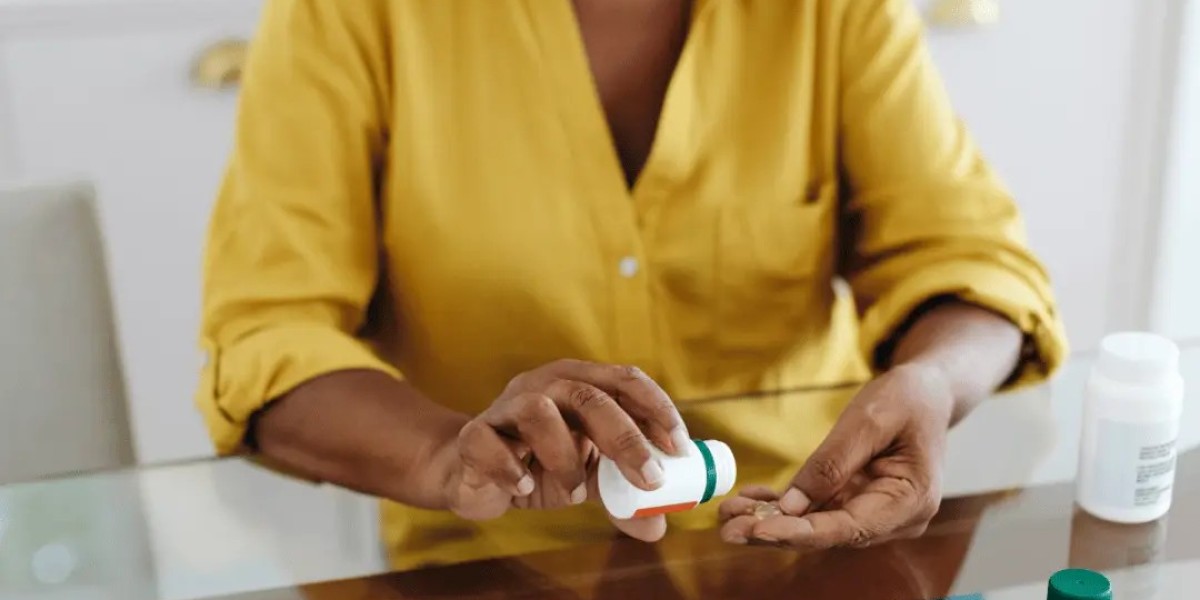

For people searching for Antibiotics at home in Dubai, the convenience of treating an illness without leaving home can be appealing. However, antibiotics are not medicines that should generally be started without professional medical advice. They are designed to treat specific bacterial infections and do not work against viruses such as most colds and flu. A Doctor at Home consultation can provide a convenient way to assess symptoms, determine whether an antibiotic may be appropriate, and recommend the right course of treatment when necessary. Understanding the risks of self-medication is essential for protecting your health and preventing antibiotic resistance.
Can You Take Antibiotics Without Seeing a Doctor:
Taking antibiotics without medical guidance is generally not considered safe. Different infections require different antibiotics, while some infections do not require antibiotics at all. Symptoms such as fever, sore throat, coughing, fatigue, or pain can have several possible causes, and symptoms alone may not always identify whether bacteria are responsible. A healthcare professional can consider your symptoms, medical history, allergies, current medicines, and other relevant factors before recommending treatment. In some cases, diagnostic testing may also be needed. Using an inappropriate antibiotic can delay effective treatment and expose you to unnecessary side effects.
Why Antibiotics Should Not Be Self-Prescribed:
Self-prescribing antibiotics may seem harmless when symptoms resemble an illness you have experienced previously, but there is no guarantee that the underlying infection is the same. The medicine, dosage, duration, and treatment approach may all differ. Using an antibiotic unnecessarily can also contribute to antimicrobial resistance, which occurs when microorganisms become resistant to medicines used to treat them. The World Health Organization identifies misuse and overuse of antimicrobials as important contributors to antimicrobial resistance. In Dubai, healthcare guidance also emphasizes that antibiotics should not be dispensed without an appropriate prescription from a qualified healthcare professional.
- Taking antibiotics prescribed for someone else
- Using leftover antibiotics from a previous illness
- Choosing an antibiotic based on online recommendations alone
- Taking a higher dose because symptoms seem severe
- Stopping treatment without professional advice
- Saving unused antibiotics for future illnesses
Do Antibiotics Work for Colds and Flu:
Antibiotics do not treat viral infections such as most common colds and influenza. They work against certain bacteria, not viruses. Taking antibiotics for a viral illness will not normally make recovery faster and can expose you to unnecessary adverse effects. The WHO advises against using antibiotics for viral infections when there is no bacterial infection requiring treatment. (who.int) This is why receiving an accurate assessment before starting antibiotics matters. If symptoms are caused by a virus, a healthcare professional may instead recommend rest, fluids, symptom relief, monitoring, or further evaluation if the illness becomes more serious.
What Can Happen If You Take the Wrong Antibiotic:
Taking the wrong antibiotic can create several problems. It may fail to treat the actual infection, allowing symptoms to continue or worsen. It can also cause side effects without providing a medical benefit. Common antibiotic-related side effects can include nausea, stomach discomfort, and diarrhoea, although the effects vary according to the medicine and individual. Some people can also experience allergic reactions. More importantly, unnecessary or inappropriate antibiotic use contributes to antimicrobial resistance, potentially making future bacterial infections harder to treat. Therefore, choosing an antibiotic based simply on previous experience or another person's prescription is not a reliable approach.
What to Know Before Starting a Prescribed Antibiotic:
If a qualified healthcare professional determines that an antibiotic is appropriate, follow the prescription and medication instructions carefully. Before starting treatment, make sure the healthcare professional knows about any medication allergies, existing health conditions, pregnancy or breastfeeding where relevant, and medicines or supplements you currently take. These details can influence whether a particular antibiotic is suitable. You should also understand how frequently the medicine should be taken and how long treatment is expected to continue. Do not change the dose or schedule simply because you begin feeling better or because you think a stronger dose will produce faster results.
Before starting treatment, check that you know:
- The exact name of the antibiotic
- The prescribed dose
- How often you should take it
- Whether it should be taken with food
- How long you should use it
- Whether it interacts with any medicines you already take
- What you should do if you miss a dose
- Which symptoms require medical attention
Is It Safe to Use Leftover Antibiotics:
Using leftover antibiotics is not recommended. The medicine may have been prescribed for a different infection and may not be appropriate for your current symptoms. There is also a possibility that the remaining tablets do not represent a complete treatment course. WHO recommends that people do not use leftover antibiotics and should not share antibiotics with others. Keeping old medication for future illnesses can encourage self-treatment instead of proper diagnosis. If you have unused antibiotics, ask a pharmacist or healthcare provider about appropriate disposal rather than keeping them for another illness.
Can a Doctor Assess You Without a Clinic Visit:
Yes, depending on your symptoms and available healthcare services, medical assessment may be possible without physically visiting a traditional clinic. A Doctor at Home service can allow a healthcare professional to assess you in your home environment, discuss your symptoms and medical history, and determine whether further testing or treatment may be required. This can be particularly convenient when you are feeling unwell, have mobility difficulties, or prefer an in-home consultation. However, an at-home consultation is not a substitute for emergency services when symptoms indicate a potentially life-threatening condition.
When You Need Urgent Medical Attention:
Not every illness should be managed at home. Some symptoms can indicate a serious medical problem that requires immediate assessment. Rather than waiting to see whether antibiotics help, seek urgent medical attention when symptoms are severe, rapidly worsening, or potentially life-threatening.
Warning signs can include:
- Severe difficulty breathing
- Severe or persistent chest pain
- Loss of consciousness or extreme confusion
- Signs of a serious allergic reaction
- Severe dehydration
- Sudden weakness or other serious neurological symptoms
- A rapidly worsening condition
Antibiotics should never be used as a substitute for emergency medical evaluation. The priority is identifying the cause of the symptoms and receiving the appropriate level of care.
How Responsible Antibiotic Use Protects Your Health:
Responsible antibiotic use benefits both the individual and the wider community. When antibiotics are used only when appropriate, the likelihood of unnecessary side effects and inappropriate treatment is reduced. Appropriate prescribing also helps slow the development of antimicrobial resistance. Patients can support responsible use by following professional instructions, never sharing prescriptions, avoiding leftover medicines, and understanding that antibiotics are not effective against most viral illnesses. These simple habits can help preserve antibiotic effectiveness for people who genuinely need these medicines.
What Is the Safest Approach to Antibiotics at Home:
The safest approach is to avoid starting antibiotics based solely on symptoms, previous prescriptions, or advice from friends and family. Instead, seek professional medical guidance when you believe you may have an infection requiring treatment. A healthcare professional can determine whether antibiotics are appropriate and, if so, identify the medicine and treatment plan that best fits the situation. If an antibiotic is prescribed, use it exactly as directed and contact a healthcare professional if you develop concerning side effects or if your condition does not improve as expected.
Final Thoughts:
Can you safely take antibiotics at home without a doctor's visit? In most situations, starting antibiotics without professional medical advice is not a safe approach. For those looking into Antibiotics at home in Dubai, convenience should never come at the expense of correct diagnosis and responsible treatment. Antibiotics should be used only when medically appropriate, because unnecessary use can cause side effects and contribute to antimicrobial resistance. When suitable, a Doctor at Home consultation can provide a convenient way to receive professional assessment while remaining at home. The goal is not simply to obtain an antibiotic, but to identify the right treatment for the actual cause of your illness.










