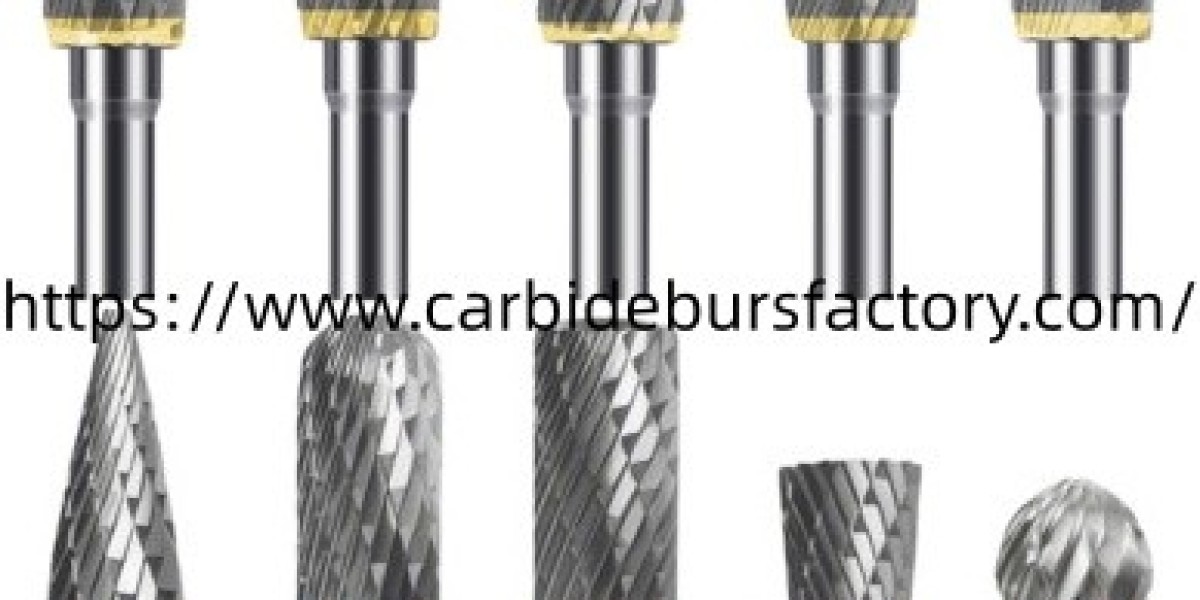

Carbide Rotary Tool selection should start with the workpiece material, machining task, geometry, machine compatibility, and desired surface result. A tool used for deburring may need a different profile from one intended for shaping an edge, opening a narrow section, or preparing a surface. Carbidebursfactory provides carbide cutting solutions for workshops, fabrication operations, maintenance teams, and equipment manufacturers, helping buyers compare product configurations according to their actual machining requirements.
Define The Machining Task First
Before choosing a tool, identify exactly what needs to be done.
A technician may need to remove burrs, enlarge an opening, clean a corner, smooth an edge, shape a contour, or prepare a surface before another process.
Each task can require a different cutting profile.
A tool suitable for broad material removal may not be convenient for detail work.
By defining the task first, buyers can narrow the selection and avoid choosing based only on general appearance.
Check The Workpiece Material
Material is one of the main factors in selection.
Steel, stainless steel, cast iron, aluminum, and other metals can respond differently to cutting.
Hardness, thickness, heat generation, and surface condition can also affect the working method.
Buyers should identify the material before deciding on profile and tooth structure.
For mixed-material workshops, keeping several configurations available may be useful because one design may not fit every application.
Match The Profile To The Shape
Workpiece geometry influences accessibility.
A cylindrical profile can be useful for certain flat or internal areas. Rounded designs can work with curved sections. Pointed forms may provide access to narrow spaces and detailed areas.
The profile should correspond with the part being processed.
Technicians should consider working angle, available clearance, recess depth, and required level of detail.
This can make machining easier to plan, particularly when a component contains several different surface shapes.
Review Cutting Structure
The tooth arrangement influences how material is removed and how the surface appears afterward.
Different patterns may suit rough material removal, general shaping, or finishing work.
Buyers should compare the cutting structure with the intended task instead of choosing one pattern for every operation.
For repeat production, it can be useful to create a tool reference list showing which profile and tooth structure is used for each common job.
This helps technicians select the appropriate configuration more consistently.
Consider Shank Compatibility
The shank must correspond with the machine, handpiece, or holder.
Buyers should check shank dimensions, holding method, operating speed, machine capacity, and other relevant equipment requirements.
A suitable cutting head is not useful if it cannot be mounted securely to the available equipment.
Before placing a large order, workshops can confirm compatibility through equipment documentation and practical testing.
Keeping a list of compatible shank sizes can also simplify future purchasing.
Consider Operating Conditions
Actual machining conditions can affect product selection.
Technicians may work with handheld equipment, automated machinery, bench systems, or specialized production equipment.
Different machines can have different speed ranges and handling characteristics.
Users should follow the operating recommendations associated with the product and machine.
Buyers can also consider the expected frequency of use.
A configuration for occasional maintenance work may differ from one used repeatedly on a production line.
Think About Material Removal Needs
The required amount of material removal can influence the preferred profile and cutting structure.
Large roughing tasks may require a configuration suited to faster material removal, while finishing tasks can require more controlled contact.
The workpiece shape should also be considered.
Removing too much material can change the intended geometry, while insufficient removal may require additional operations.
A clear task description helps technicians choose a more practical tool.
Deburring Requirements
Burrs can appear after cutting, drilling, milling, stamping, or other processes.
Removing them is often necessary before assembly, coating, inspection, or final handling.
The tool should match the burr location and surrounding geometry.
Small holes may require a smaller profile, while large edges can accommodate a broader working area.
Buyers should select the configuration based on the specific part rather than treating all deburring work as the same operation.
Surface Preparation
Metal surfaces may need preparation before welding, painting, coating, polishing, or assembly.
A suitable cutting tool can help remove unwanted material from selected areas.
The technician should control the amount of contact and movement according to the desired result.
For visible components, surface condition may be particularly important.
Buyers can select profiles and tooth structures according to whether the task involves rough preparation or more controlled finishing.
Custom Requirements For Special Workpieces
Some industrial parts require unusual dimensions or access characteristics.
A buyer may need a specific profile, diameter, shank arrangement, tooth pattern, or other customized feature.
Carbidebursfactory supports customized cutting tool projects and can discuss drawings, dimensions, material types, application requirements, quantities, and packaging.
For custom development, complete technical information should be provided before manufacturing.
This can help the manufacturer establish a clearer production reference.
Sample Evaluation
A sample can help buyers test whether a selected configuration works with a representative workpiece.
The evaluation can cover profile shape, dimensions, tooth condition, shank size, surface result, and general handling.
If the result does not match the intended application, adjustments can be discussed before larger quantities are produced.
For customized projects, an approved sample can also serve as a reference for quality inspection and future repeat orders.
Quality Inspection
Buyers should consider how finished tools are inspected.
Relevant checks may include dimensions, profile accuracy, tooth condition, shank size, surface finish, and general consistency.
For repeat purchasing, written specifications and approved samples can help maintain the same product reference across batches.
A defined inspection process provides a clearer basis for comparing finished goods with the agreed requirements.
Packaging And Storage
Workshops often use several tool profiles for different jobs.
Packaging should help identify and store these products efficiently.
Buyers can discuss individual packaging, labels, product references, quantities, and sorting arrangements.
For distributors, clear identification becomes useful when several sizes and shapes are stored together.
A practical storage system can reduce the time spent searching for the correct tool before machining begins.
Why Consider Carbidebursfactory
Carbidebursfactory provides carbide cutting solutions for metalworking, fabrication, maintenance, and equipment production applications.
Buyers can discuss profiles, dimensions, cutting structures, materials, shank details, customization, quantities, inspection, packaging, and delivery.
For workshops, distributors, contractors, and industrial buyers, supplier evaluation can include sample testing, quality procedures, production consistency, and project communication.
A practical sourcing process should connect the product with the actual machining task.
Build A Practical Tool Selection Process
A useful process can begin with the workpiece material and continue through task definition, profile selection, cutting structure, shank compatibility, machine review, sample testing, quality inspection, packaging, and delivery.
Buyers should retain approved specifications for repeat orders.
When the workpiece or process changes, the selected configuration should be reviewed again.
This keeps the tool choice connected with the current production requirement.
Choosing the right cutting tool depends on several factors, including material, workpiece geometry, machining purpose, profile, cutting structure, machine compatibility, operating conditions, and expected usage frequency.
A clear selection process can help workshops organize their tool inventory and match products with specific jobs.
Carbidebursfactory provides carbide cutting solutions for different machining applications, with available products and project information at https://www.carbidebursfactory.com/product/










