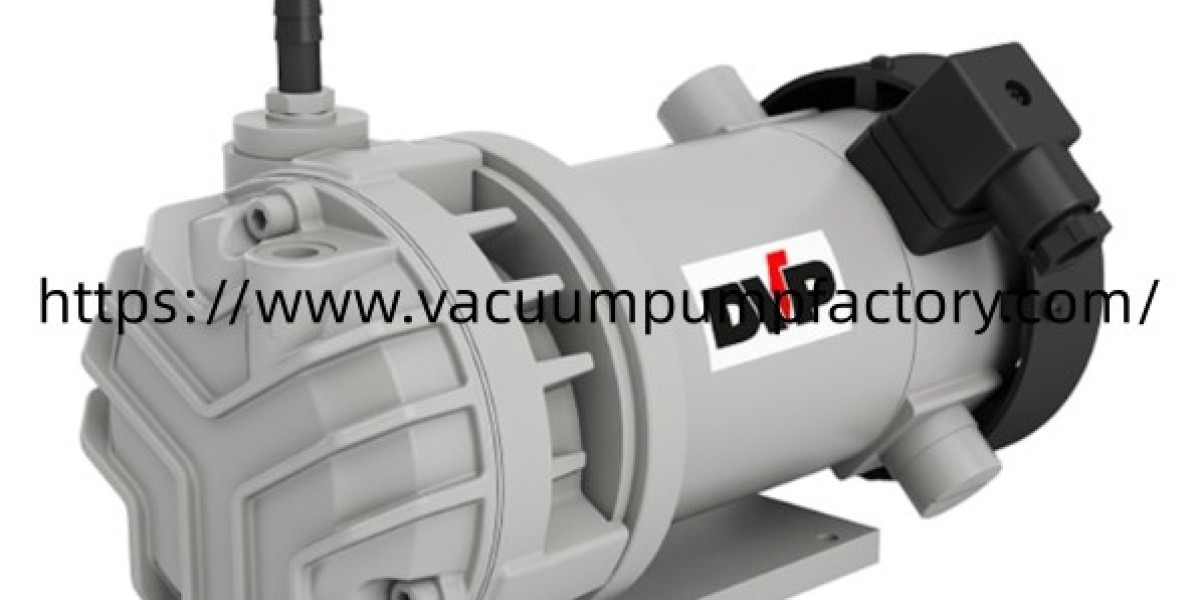

Oil Free Rotary Vane Vacuum Pump selection should begin with the actual working requirements of the application rather than a simple comparison of price. Buyers should examine pumping speed, ultimate pressure, motor configuration, inlet dimensions, operating temperature, noise, installation space, and maintenance procedures before choosing equipment. Different applications may have different chamber sizes, gas loads, working cycles, and target pressure levels. A detailed specification review can therefore help workshops, laboratories, distributors, and industrial users make a practical purchasing decision.
Identify the Required Pressure
The required pressure level should be established before comparing models. Different processes may require different operating ranges, so buyers should identify the pressure needed during normal production or service work.
Instead of focusing on one published number, purchasers can ask for performance information under several operating conditions. This provides a better understanding of how the equipment may perform during actual use.
The target pressure should also be considered alongside chamber size and gas load.
Match Pumping Speed With System Volume
Pumping speed should correspond with the volume of the connected system and the expected evacuation time.
A small chamber may have different requirements from a large industrial system. Buyers should estimate the system volume and determine how quickly the required pressure needs to be reached.
It is also useful to review pumping capacity at different pressure points. This gives purchasers more information when comparing several configurations.
Examine the Working Environment
The installation environment can affect equipment selection. Buyers should consider ambient temperature, humidity, dust, ventilation, operating frequency, and the type of gas entering the system.
Applications involving moisture or vapor should be discussed with the manufacturer before ordering. Different internal designs can have different requirements when exposed to condensable substances.
Providing complete application information allows the supplier to assess whether the proposed configuration corresponds with the intended working conditions.
Check Motor Requirements
Electrical compatibility is another important consideration. Buyers should review rated power, voltage, frequency, motor speed, and available electrical configurations.
International distributors should pay particular attention to voltage and frequency because electrical requirements may differ between markets.
The installation area should also provide suitable ventilation. Buyers can provide their electrical specifications to the manufacturer before confirming an order so the selected configuration can be checked in advance.
Review the Inlet Connection
The inlet should match the connected system. Buyers should verify diameter, thread type, connection format, and any required adapters.
When replacing existing equipment, taking measurements from the current installation can help reduce ordering mistakes.
Purchasers should also consider the physical position of the inlet. A compatible connection may still be inconvenient if the surrounding installation area is restricted.
Examine Internal Construction
Buyers can ask about rotor structure, sealing components, bearings, housing materials, internal clearances, and moving components.
The design of the rotating assembly can influence operating characteristics and maintenance requirements.
Technical documentation is more useful for purchasing decisions than relying only on product photographs. Specification sheets allow buyers to compare different configurations using consistent criteria.
Review Maintenance Requirements
A dry-running design can reduce certain routine servicing tasks, but buyers should still consider maintenance requirements.
Moving components, bearings, seals, filters, and other parts may require periodic inspection depending on operating conditions.
Purchasers should ask the manufacturer about inspection intervals, cleaning procedures, replacement parts, and recommended service practices.
Having this information before purchase can help workshops prepare a realistic maintenance schedule.
Consider Noise and Vibration
Noise and vibration can matter when equipment operates near technicians, inside laboratories, or in enclosed workshops.
Buyers should review available noise information and consider the expected operating cycle.
Installation method can also influence vibration. The equipment should be mounted securely and positioned according to the manufacturer's instructions.
These factors are worth considering before purchase because installation conditions can affect the working experience.
Review Thermal Conditions
Equipment operating for extended periods can generate heat, making ventilation and ambient temperature relevant purchasing factors.
Buyers should check the recommended temperature range and airflow requirements.
If the equipment will be installed inside a cabinet or a restricted area, purchasers should discuss thermal conditions with the supplier before selecting a configuration.
A clear understanding of the installation environment can help avoid unnecessary modifications later.
Match the Equipment to the Application
Buyers should identify the intended application before selecting a model. Potential uses may include laboratory equipment, packaging systems, electronics production, workshop service, environmental testing, and other industrial processes.
Each application can have different requirements concerning pressure, flow capacity, cleanliness, operating frequency, and maintenance.
The manufacturer can provide more useful technical guidance when buyers clearly describe their process conditions.
Evaluate Production Capability
Supplier evaluation should include manufacturing capability as well as technical specifications.
Buyers can ask about production arrangements, component inspection, assembly procedures, functional testing, packaging, documentation, and order management.
For larger purchases, production capacity and delivery planning may also be relevant.
vacuumpumpfactory can communicate with distributors, workshops, and industrial buyers about configurations, technical requirements, quantities, packaging, and sourcing arrangements.
Check Documentation
Clear documentation can make equipment purchasing easier, especially for international buyers.
Purchasers can ask for specifications, operating instructions, maintenance information, dimensions, connection details, and product identification.
For distributors, complete documentation can also assist with quotations, product listings, customer communication, and inventory planning.
Technical information should be reviewed before an order is confirmed so that both sides have a clear understanding of the selected configuration.
Consider Future Purchasing
Buyers should think about future requirements as well as the initial order.
A workshop may expand its equipment inventory, while a distributor may need several configurations for different customers.
It can therefore be useful to ask about related models, replacement components, packaging options, and ongoing technical communication.
Planning future requirements early can make repeat purchasing more organized.
Create a Purchasing Checklist
Before confirming an order, buyers can prepare a checklist covering target pressure, pumping speed, system volume, electrical requirements, inlet dimensions, temperature conditions, noise, installation space, maintenance, quantity, and delivery requirements.
This allows different suppliers to be compared using the same criteria.
A structured checklist also helps purchasing teams communicate technical requirements more clearly and reduces the chance of overlooking an important specification.
Connect Specifications With Real Working Conditions
A practical purchasing decision should connect each specification with the actual application. Pumping speed should correspond with system volume, pressure should meet process requirements, electrical parameters should suit the available supply, and the physical configuration should fit the installation area.
For workshops, distributors, and industrial buyers, vacuumpumpfactory provides equipment for different professional applications. Buyers can review the available product range at https://www.vacuumpumpfactory.com/product/ and discuss specifications, quantities, packaging, application conditions, and future sourcing requirements directly with the manufacturer.