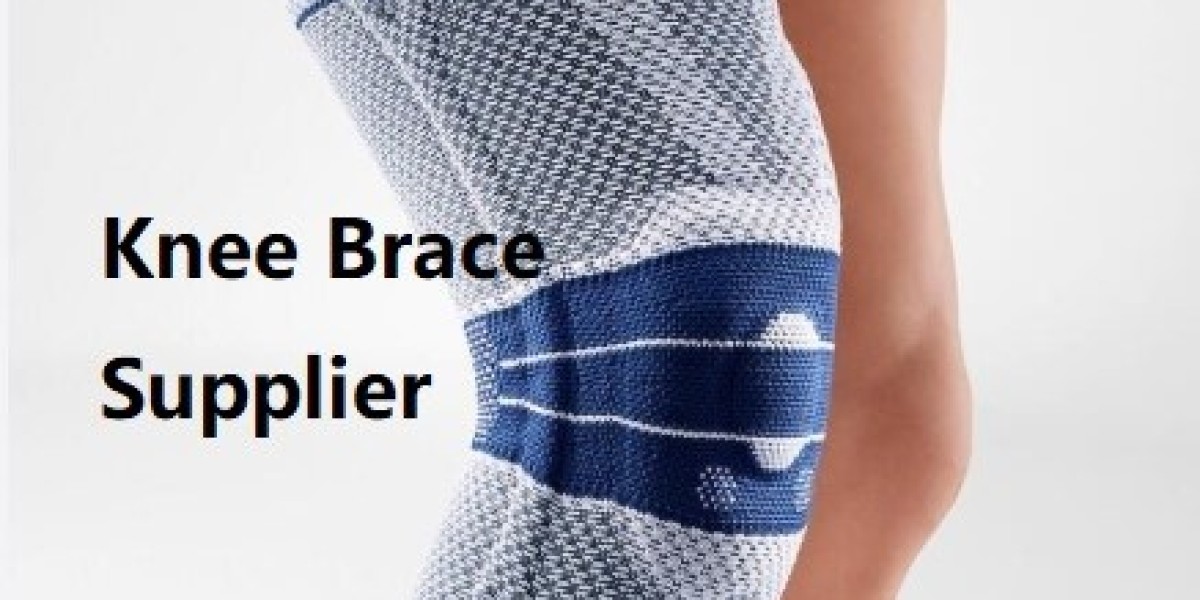

Knee Brace selection should begin with the activity rather than the appearance of the product. Sports participants and workers may need different forms of support because running, jumping, lifting, standing, climbing, and repeated movement place different demands on the legs. Before making a purchase, users should consider fit, flexibility, comfort, material, fastening, and expected wearing time. A clear understanding of the intended activity makes the selection process more practical.
Start With The Main Activity
The first consideration is how the product will actually be used.
For sports, movement can include running, jumping, turning, squatting, or sudden changes in direction. A design that feels comfortable during walking may not provide the same experience during more dynamic activity.
Work environments can involve a different pattern. Construction tasks, warehouse duties, outdoor maintenance, delivery work, and long periods of standing may require comfort during extended wear.
Defining the main activity helps buyers avoid choosing a design based only on appearance or marketing language.
Check The Fit Carefully
Fit affects comfort and movement. A product that is too loose may shift during activity, while excessive tightness can create discomfort and make extended use unpleasant.
Buyers should follow the applicable sizing instructions and take measurements carefully. Leg shape can vary between individuals, so selecting a size based only on clothing preferences may not provide an accurate result.
For adjustable designs, users should also check how easily the fastening system can be changed. Simple adjustment can be useful when the product needs to remain secure during movement.
Consider Freedom Of Movement
Sports activities often require a wide range of movement. Running, cycling, training, court sports, and recreational activities can involve repeated bending and extension.
A suitable design should allow normal movement without creating unnecessary bulk. Users should try basic movements after putting it on, such as walking, bending, stepping, or performing sport-specific motions.
Work users can make a similar assessment. If a task requires frequent kneeling, climbing, lifting, or walking, flexibility can become an important part of everyday comfort.
Examine Materials And Breathability
Material selection can influence how a product feels during use. Sports activities may create heat and perspiration, while workplace use can involve long periods of continuous wear.
Breathable fabrics can be useful for users who spend considerable time moving. Stretch materials may also help the product follow natural movement.
At the same time, buyers should consider the environment. Outdoor work, indoor facilities, warm climates, and cooler conditions can create different wearing preferences.
A sample can provide useful information about texture, elasticity, thickness, and general comfort before a larger purchasing decision.
Look At Fastening And Stability
Different fastening systems create different wearing experiences. Pull-on styles can be simple for routine use, while adjustable straps can allow users to modify the fit.
Buyers should check whether the product stays in its intended position during ordinary movement. This can be tested through walking, bending, light exercise, or task-related movements.
A product that repeatedly shifts may become inconvenient, particularly during long working periods or active training sessions.
Match The Product To Wearing Time
The length of use is another factor that deserves attention.
Someone wearing protective equipment for a short training session may have different priorities from a worker who wears it for several hours.
Longer use places greater emphasis on comfort, ventilation, material feel, and secure positioning. Shorter periods may allow users to focus more heavily on movement and activity-specific characteristics.
Buyers should therefore describe their normal wearing schedule when comparing products.
Think About Maintenance
Regular maintenance can influence the practical lifespan of textile protective equipment. Buyers should check cleaning instructions and consider how frequently the product will be used.
Sports users may need frequent cleaning because of sweat and outdoor exposure. Workplace users may encounter dust, dirt, or other environmental conditions.
A design that is straightforward to clean can make routine ownership easier. Buyers should also inspect seams, fastening areas, elastic sections, and fabric condition periodically.
Consider Different Sports And Work Scenarios
There is no single design that automatically fits every activity. A runner may value flexibility and ventilation, while a strength-training user may pay greater attention to secure positioning.
A worker who spends much of the day standing may prioritize comfort, while someone performing physically demanding tasks may focus more on stability and movement.
This is why application should remain at the center of the purchasing process. Users should identify the movements they perform most frequently and then compare products according to those requirements.
How steriger Can Fit The Selection Process
For buyers evaluating products for athletic or workplace applications, steriger provides an option to consider when comparing construction, material feel, sizing, comfort, and application requirements.
Rather than choosing based on a single feature, purchasers can review the complete product design and consider how it fits their intended activities. Sample evaluation can also help buyers make a decision based on actual wearing characteristics.
Choosing suitable protective equipment becomes easier when the purchasing process begins with real usage conditions. Sports and workplace activities can involve different movement patterns, wearing periods, and comfort requirements, so buyers should compare products accordingly.
Fit, flexibility, material, breathability, fastening, maintenance, and activity compatibility all deserve attention before an order is confirmed. If a user has an existing injury, persistent pain, swelling, or instability, professional medical advice should be considered before relying on protective equipment during physical activity.
For buyers reviewing suitable product options for sports or workplace applications, the available range from steriger can be viewed naturally at https://www.steriger.com/product/