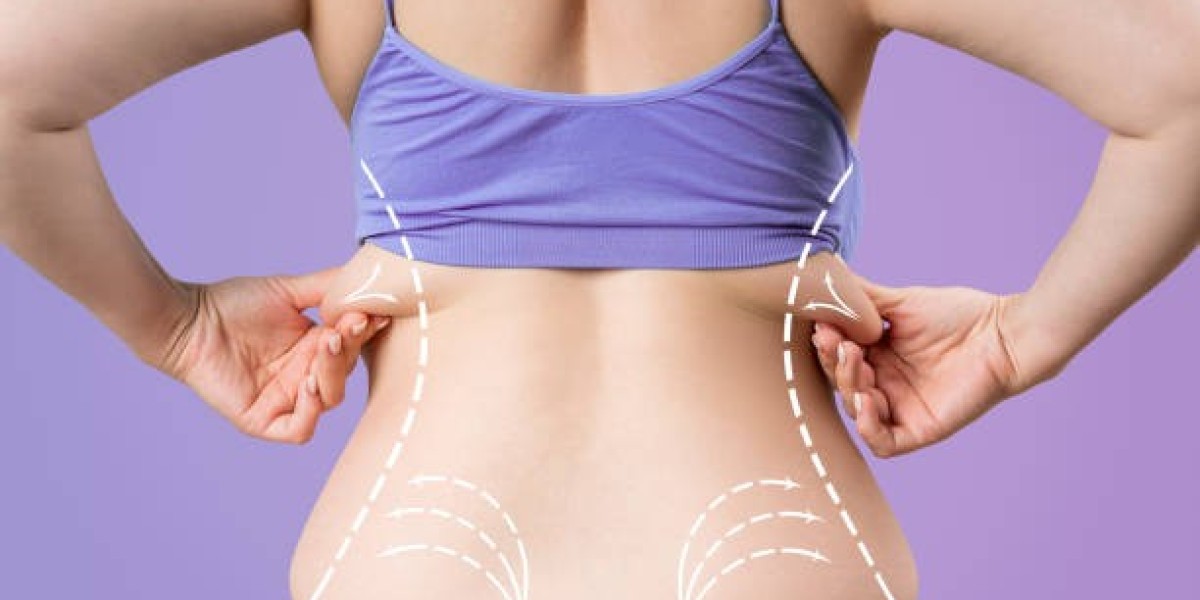

Abdominal liposuction is a body-contouring procedure designed to reduce localized fat deposits around the stomach and improve the overall shape of the midsection. It is generally considered for people who have stubborn abdominal fat despite healthy lifestyle habits. For individuals considering liposuction in riyadh, understanding how abdominal liposuction works, who may benefit, and what recovery involves can help with informed decision-making.
What Is Abdominal Liposuction?
Targeted Fat Removal
Abdominal liposuction involves removing selected fat cells from beneath the skin using a thin cannula. The surgeon carefully targets areas of excess fullness rather than attempting to remove every fat cell.
Body Contouring
The primary goal is to improve the contour and proportions of the abdomen. It is not intended to replace healthy weight management or serve as a general weight-loss treatment.
Why Do People Consider Abdominal Liposuction?
Stubborn Abdominal Fat
Some people continue to have localized fat around the abdomen even after maintaining regular exercise and balanced nutrition. Genetics, age, hormones, and body composition can influence where fat is stored.
Improving Body Proportions
Abdominal fullness can affect the appearance of the waist and torso. Carefully planned fat removal may create smoother transitions between the stomach, waist, and surrounding areas.
Is Abdominal Liposuction Right for Everyone?
Not everyone with abdominal fullness is an ideal candidate. Suitability depends on factors such as overall health, localized fat distribution, skin elasticity, weight stability, and realistic expectations.
The Importance of Skin Elasticity
Firm Skin
Skin with good elasticity may adapt more effectively after the underlying fat is removed, supporting a smoother abdominal contour.
Loose Skin
If the abdomen has substantial loose or excess skin, liposuction alone may not produce the desired result. Another procedure may be considered depending on the individual's needs.
Liposuction Does Not Treat Every Abdominal Concern
Abdominal fullness can have different causes. Fat beneath the skin may be suitable for liposuction, while loose skin, significant muscle separation, or deeper abdominal fat may require a different approach. A medical assessment is necessary to identify the source of the concern.
What Happens During Abdominal Liposuction?
Treatment Planning
Before surgery, the surgeon examines the abdomen, evaluates fat distribution and skin quality, and discusses your desired outcome.
Marking the Abdomen
The treatment areas may be marked before the procedure to guide precise and balanced fat removal.
Fat Removal
After appropriate anesthesia, small incisions are made and a cannula is used to remove targeted fat deposits through controlled movements.
Can Abdominal Liposuction Define the Waist?
Yes, in suitable patients. Treating abdominal and flank fat together may improve the transition between the stomach and waist, potentially creating a more defined silhouette.
Can It Improve Lower Abdominal Fullness?
Localized fat in the lower abdomen can sometimes be treated with liposuction. However, the surgeon must determine whether the fullness comes primarily from subcutaneous fat or another factor that would require a different treatment approach.
Can Abdominal Liposuction Create Visible Abs?
Liposuction can reduce a layer of localized fat, but it does not build abdominal muscles. While contouring may improve muscle definition in some individuals, achieving a visibly muscular abdomen also depends on muscle development, genetics, and overall body composition.
What About Weight Loss?
Not a Weight-Loss Procedure
Abdominal liposuction is primarily intended for contouring rather than significant weight reduction.
Stable Weight Matters
People who maintain a relatively stable weight may have more predictable contouring results. Significant weight changes after treatment can alter the appearance of the abdomen.
Recovery After Abdominal Liposuction
Initial Swelling
Swelling, bruising, tenderness, and tightness are common during the early recovery period. These temporary effects can make the abdomen appear different from the eventual result.
Gradual Improvement
As swelling decreases and tissues settle, the abdominal contours gradually become more visible. Recovery varies between individuals.
Compression Garments
Your surgeon may recommend a compression garment after abdominal liposuction. It can provide support and may help manage swelling while the tissues heal. Follow your surgeon's instructions regarding how and when it should be worn.
Returning to Daily Activities
Gentle Movement
Light walking may be encouraged during recovery, depending on your surgeon's instructions.
Exercise
Strenuous exercise and heavy lifting should generally be avoided until your surgeon confirms that your body is ready. Activity can then be increased gradually.
Caring for the Incisions
Abdominal liposuction involves small access points that require appropriate care. Follow your surgeon's instructions for keeping the areas clean, managing dressings, and monitoring healing.
When Will Results Become Visible?
Early Appearance
Initial swelling can hide the improvements created during surgery. It is therefore important not to judge the outcome immediately.
Developing Contours
As the body heals and swelling decreases, the abdomen gradually appears smoother and more defined. The final appearance develops progressively.
How Long Do Abdominal Liposuction Results Last?
The fat cells removed from the treated areas are permanently removed. However, remaining fat cells can enlarge with significant weight gain. Maintaining a stable weight can help preserve the improved abdominal contours.
Can Abdominal Fat Return?
The specific fat cells removed through liposuction do not grow back, but this does not make the abdomen immune to future fat accumulation. Remaining fat cells can increase in size when body weight rises.
Lifestyle Habits After Liposuction
Balanced Nutrition
A balanced diet can support a stable weight and overall health.
Regular Exercise
Once cleared by your surgeon, regular physical activity can help maintain fitness and support long-term body composition.
Healthy Weight Management
Avoiding significant cycles of weight gain and loss can help preserve body contours over time.
Factors That Influence Results
Fat Distribution
The location and amount of localized fat can affect the final contour.
Skin Quality
Skin elasticity influences how well the abdomen adapts after fat removal.
Surgical Technique
Careful, controlled fat removal is important for achieving smooth and proportionate contours.
Individual Healing
Recovery and final results vary because every person's body responds differently to surgery.
Possible Risks and Considerations
Liposuction is a surgical procedure and can involve risks such as infection, bleeding, fluid changes, contour irregularities, changes in sensation, scarring, or other complications. Discuss the potential risks and benefits thoroughly with a qualified medical professional before treatment.
Choosing a Qualified Surgeon
The surgeon's qualifications and experience are important when considering abdominal liposuction. Look for a qualified professional who can evaluate your anatomy, explain realistic outcomes, discuss potential risks, and provide appropriate postoperative care. If you are researching Liposuction in Riyadh, reviewing professional credentials and relevant body-contouring experience can help you make an informed choice.
Preparing for Abdominal Liposuction
Discuss Your Medical History
Tell your medical team about existing health conditions, medications, supplements, allergies, and previous surgeries.
Follow Preoperative Instructions
Your surgeon will provide personalized guidance about preparing for surgery, including instructions related to medications, nutrition, smoking, and activity.
Realistic Expectations
Abdominal liposuction can improve localized fat deposits and enhance the shape of the midsection, but it cannot guarantee a perfectly flat stomach or eliminate every source of abdominal fullness. Your natural anatomy, skin quality, body composition, and healing response all influence the outcome.
When to Consider a Consultation
A consultation is useful if you have localized abdominal fat and want to determine whether liposuction is appropriate. During the appointment, your surgeon can assess the area, discuss your goals, and explain whether another treatment may be more suitable.
Making an Informed Decision
Abdominal liposuction can be an effective option for selected individuals who want to improve localized fat and body contours. Understanding candidacy, skin elasticity, recovery, potential risks, and long-term weight management is essential before deciding. If you are considering Liposuction in Riyadh, a personalized consultation with a qualified medical professional can help you determine whether abdominal contouring fits your goals.
Book an Appointment
If you are concerned about stubborn abdominal fat and want to explore your body-contouring options, Royal Clinic Saudia can provide an opportunity to discuss your goals with a qualified medical professional. A personalized consultation can help assess your abdominal contours and explain suitable treatment options.
FAQs:
Can liposuction remove stubborn abdominal fat?
Yes. It can target localized fat deposits beneath the skin when the patient is considered suitable.
Is abdominal liposuction a weight-loss procedure?
No. It is primarily designed to improve body contours rather than provide general weight loss.
Will abdominal skin become tighter after liposuction?
Some skin retraction may occur, but the result depends largely on skin elasticity and the amount of existing loose skin.
Can abdominal fat return after liposuction?
Removed fat cells do not return, but remaining fat cells can enlarge with significant weight gain.