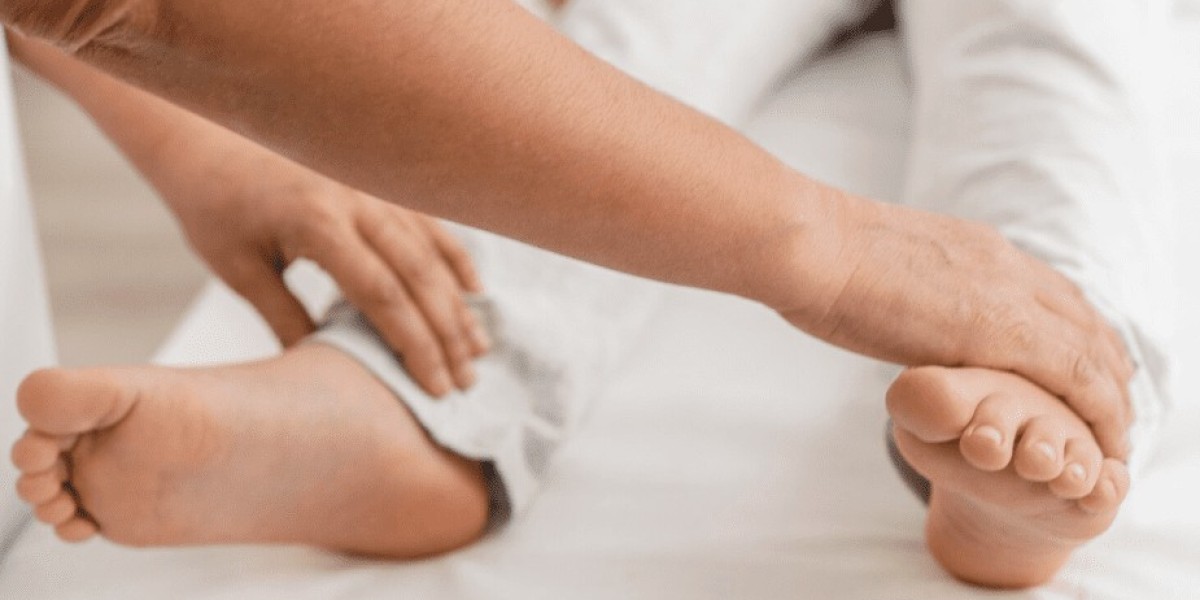

Diabetes requires consistent daily care, and foot health should be an important part of that routine. Practicing Diabetic Foot Care At Home In Dubai can help people with diabetes monitor their feet, maintain good hygiene, and recognize potential problems at an early stage. Because diabetes may affect nerves and circulation, minor foot injuries can sometimes go unnoticed or take longer to heal. A Doctor at Home can also provide convenient professional guidance when a person notices concerning changes or needs medical assessment without leaving home. Developing simple habits and following them consistently can make diabetic foot care more manageable and effective.
Inspect Your Feet Every Day:
Daily inspection is one of the most valuable habits for people with diabetes because it allows potential problems to be identified before they become more serious. Examine both feet carefully, including the soles, heels, sides, tops, and spaces between the toes. Look for cuts, blisters, redness, swelling, bruising, cracks, calluses, changes in skin color, or signs of irritation. If reaching or seeing the bottom of the feet is difficult, use a mirror or ask a family member or caregiver for assistance. Make daily inspection part of your routine, ideally at the same time each day, so it becomes a habit rather than something that is easily forgotten.
Wash Your Feet Gently:
Keeping the feet clean can support healthy skin and reduce the buildup of dirt and bacteria. Wash your feet every day with lukewarm water and a mild soap. Avoid extremely hot water because reduced sensation associated with diabetes may make it difficult to recognize that the water is too hot. There is also no need to soak the feet for prolonged periods. After washing, gently dry them with a clean towel, paying particular attention to the spaces between the toes. Proper washing and drying are simple but important elements of daily Diabetic Foot Care At Home In Dubai.
Moisturize Dry Skin Carefully:
Diabetes can contribute to dry skin, which may become cracked if it is not properly cared for. Applying a suitable moisturizer can help keep the skin soft and reduce excessive dryness. Concentrate on areas such as the heels and soles, but avoid applying moisturizer between the toes because excess moisture can encourage irritation or fungal problems. Do not apply ordinary moisturizer directly to open wounds unless a healthcare professional specifically recommends it. Checking the skin before moisturizing also gives you another opportunity to notice changes that may require attention.
Keep Toenails Trimmed Safely:
Toenail care should be performed carefully to avoid accidental cuts or injuries. Trim nails straight across rather than cutting deeply into the corners. Avoid cutting nails excessively short, as this can increase the likelihood of irritation or ingrown toenails. People who have difficulty seeing their feet, reaching their toes, or handling nail clippers safely should ask a trained professional for assistance. Avoid using sharp tools to cut corns or calluses yourself. Safe nail care is particularly important because even a small injury may require careful monitoring in someone with diabetes.
Choose Properly Fitted Footwear:
Footwear provides an important layer of protection against injuries. Shoes that are too tight can create pressure points, while loose shoes may cause friction and blisters. Select shoes that fit comfortably and leave sufficient space for the toes to move naturally. Socks should also be clean, comfortable, and appropriate for daily use. Before putting on shoes, check inside them for stones, rough surfaces, folds, or other objects that could injure the feet. Useful footwear habits include:
- Avoiding walking barefoot whenever possible
- Selecting shoes that fit properly
- Checking shoes before wearing them
- Wearing clean, comfortable socks
- Replacing damaged or excessively worn footwear
- Avoiding shoes that create repeated pressure or rubbing
Protect Your Feet From Extreme Temperatures:
People with diabetes may experience changes in sensation, making it harder to recognize excessive heat or cold. Protect your feet from hot surfaces, heating pads, hot-water bottles, and extremely cold environments. Always test bath or shower water with a part of the body that can reliably sense temperature before placing your feet in it. Never use a heating device directly against the feet to warm them. Instead, use appropriate clothing and a comfortable room temperature to keep your feet warm. Temperature protection is a simple daily precaution that can help prevent avoidable burns and other injuries.
Avoid Removing Corns and Calluses Yourself:
Corns and calluses may develop because of repeated pressure or friction, but attempting to remove them with blades, scissors, or chemical treatments can damage the skin. People with diabetes should be particularly cautious about creating breaks in the skin. Instead of treating these problems independently, discuss persistent or painful calluses with a qualified healthcare professional. Proper footwear may also help reduce the pressure responsible for their development. Never assume that a seemingly minor thickened area is harmless if it changes, becomes painful, or develops an open area.
Check Your Socks and Shoes Daily:
Footwear inspection should be paired with checking your socks. Socks that are damp, dirty, excessively tight, or rough can contribute to irritation and skin problems. Change socks regularly and choose materials that feel comfortable against the skin. When putting on shoes, make sure the socks are positioned smoothly without folds that create pressure points. Examine the inside of shoes regularly to identify damaged linings, protruding seams, or other issues. These small checks can make everyday Diabetic Foot Care At Home In Dubai more proactive and protective.
Pay Attention to Changes in Sensation:
Numbness, tingling, burning, unusual sensitivity, or a reduced ability to feel touch can indicate changes that should be discussed with a healthcare professional. Do not rely solely on pain to determine whether your feet are healthy because reduced sensation may prevent you from feeling an injury. Notice whether one foot feels significantly different from the other or whether a new sensation develops. Keeping track of changes can help you provide useful information during medical appointments and support timely assessment when necessary.
Maintain Healthy Blood Sugar Management:
Foot health is closely connected to overall diabetes management. Following your prescribed diabetes treatment plan and monitoring blood glucose as recommended can support general health and reduce the likelihood of diabetes-related complications. A healthy lifestyle may also include balanced nutrition, appropriate physical activity, sufficient hydration, and regular healthcare visits. Exercise can be beneficial for many people with diabetes, but activities should be selected according to individual health needs and foot condition. If you already have a foot wound or another complication, ask your healthcare professional which activities are appropriate.
Know When Professional Care Is Necessary:
Daily home care is an important preventive measure, but it does not replace professional medical assessment when problems occur. Seek prompt medical advice if you notice an open wound, persistent redness, swelling, unusual warmth, drainage, discoloration, increasing pain, or another significant change. A wound that does not appear to be healing normally should not be ignored. People with previous foot complications or reduced sensation may require more frequent professional monitoring. Doctor at Home services can offer a convenient way to obtain medical evaluation when appropriate, particularly for individuals who have difficulty traveling.
Make Foot Care Part of Your Daily Routine:
Consistency is the key to effective diabetic foot care. Instead of treating foot care as an occasional task, connect it with an existing daily activity such as bathing, changing clothes, or preparing for bed. Keep basic supplies in an accessible location and create a simple checklist to help you remember each step. Your daily routine can include:
- Inspecting both feet carefully
- Washing and drying them thoroughly
- Checking for cuts or skin changes
- Moisturizing dry areas while avoiding between the toes
- Trimming nails safely when needed
- Checking socks and shoes
- Monitoring changes in sensation
- Reporting concerning symptoms promptly
A predictable routine makes it easier to maintain healthy habits over the long term.
Final Thoughts:
Daily foot care is an essential part of responsible diabetes management. Regular inspection, gentle hygiene, appropriate moisturizing, safe nail care, protective footwear, temperature awareness, and attention to changes in sensation can help people take better care of their feet at home. However, home care should always be combined with appropriate professional monitoring, especially when unusual symptoms or wounds develop. By making these habits part of everyday life, people with diabetes can take a proactive approach to maintaining foot health and recognizing potential concerns early.