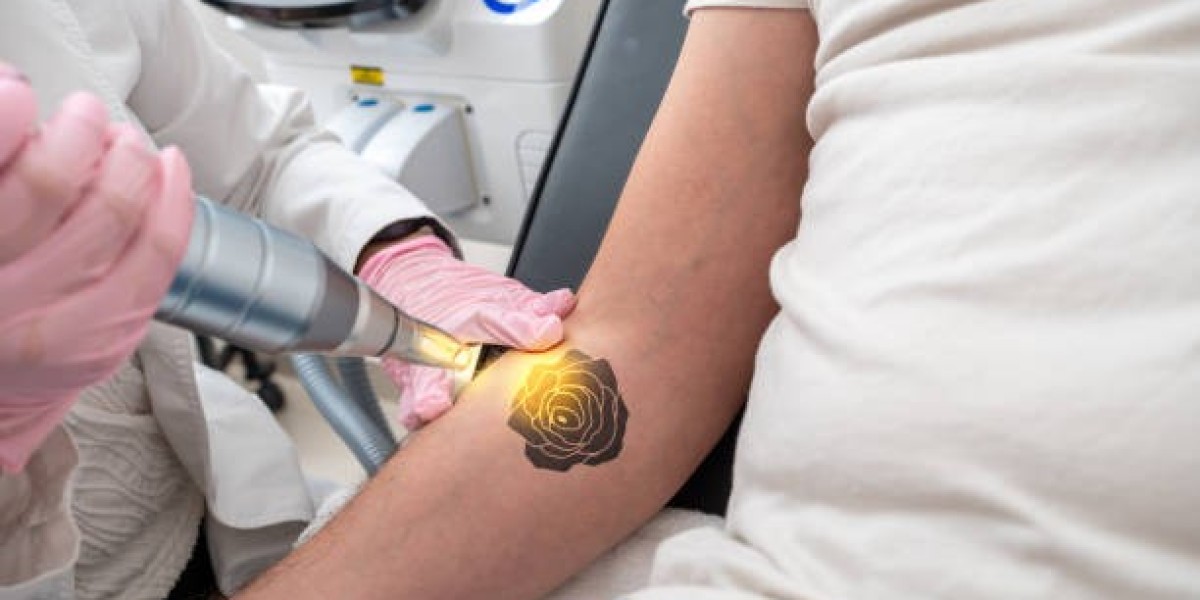

Laser tattoo removal has become a widely used approach for gradually fading unwanted tattoos. However, the quality of the outcome depends not only on the laser technology but also on how carefully the treatment and aftercare are managed. When considering tattoo removal riyadh, avoiding common mistakes can help support proper healing and reduce the risk of unnecessary skin irritation.
Many people expect tattoo removal to work quickly, but the process is gradual. Understanding what to avoid before, during, and after treatment can make the overall experience more comfortable and help you follow an appropriate treatment plan.
Choosing an Unqualified Provider
One of the most important mistakes is choosing a provider based only on convenience or promotional claims. Laser tattoo removal requires knowledge of laser wavelengths, skin characteristics, tattoo pigments, and appropriate treatment settings.
Why Professional Assessment Matters
Different tattoos respond differently to laser energy. A professional assessment can consider the tattoo's color, density, depth, location, and your skin characteristics before treatment begins. Using unsuitable settings may increase the risk of irritation, burns, pigment changes, or scarring.
Expecting Complete Removal After One Session
Another common mistake is assuming that a single treatment will completely remove a tattoo. Laser energy breaks tattoo pigment into smaller particles, and the body gradually clears some of these particles over time.
Tattoo Fading Takes Time
The visible improvement generally develops gradually. Several treatment sessions may be needed depending on the tattoo and individual response. Trying to accelerate the process by scheduling treatments too close together may interfere with proper skin recovery.
For people considering Laser Tattoo Removal in Riyadh, realistic expectations are essential. Modern technology can significantly fade many tattoos, but complete removal cannot be guaranteed.
Ignoring the Recommended Treatment Interval
Some people become impatient when they do not see immediate results and want another session as soon as possible. This can be counterproductive.
Allowing the Skin to Recover
The skin needs adequate time to heal after laser treatment, while the body's natural processes continue clearing fragmented pigment. Your practitioner can recommend an appropriate interval based on how your skin responds and the characteristics of your tattoo.
Picking or Scratching the Treated Area
Temporary redness, swelling, sensitivity, crusting, or blistering can sometimes occur after laser treatment. Picking at the treated skin can disrupt healing.
Let the Skin Heal Naturally
Avoid scratching, peeling, or removing crusts from the treated area. Doing so may increase irritation and potentially contribute to scarring or infection. Follow the aftercare instructions provided by your treatment provider.
Exposing the Skin to Excessive Sun
Sun exposure is another mistake that should be taken seriously. Treated skin can be more sensitive, and unnecessary UV exposure may increase the risk of pigmentation changes.
Protect the Treated Area
Follow professional advice regarding sun avoidance and protection after treatment. Keeping the area protected can support recovery and help minimize unwanted changes in skin pigmentation.
Using Harsh Products Too Soon
Applying irritating skincare products to recently treated skin can make discomfort worse. Strong exfoliants, aggressive scrubs, and other potentially irritating products may not be appropriate immediately after treatment.
Keep Aftercare Gentle
Use only products recommended by your practitioner during the recovery period. Gentle care can help reduce unnecessary irritation while the skin restores its normal barrier.
Exercising or Sweating Too Soon
Intense exercise immediately after treatment may increase heat, sweating, and friction around the treated area. Depending on the location and condition of the skin, this may contribute to discomfort or irritation.
Follow Activity Recommendations
Your practitioner can tell you when it is appropriate to resume strenuous activities. Keeping the area clean and avoiding unnecessary friction during early recovery can be beneficial.
Trying DIY Tattoo Removal Methods
Home remedies and unapproved tattoo-removal products can be another serious mistake. Scrubbing, applying harsh chemicals, or attempting to physically remove tattoo pigment can damage the skin without safely addressing deeper ink.
Why Professional Treatment Is Safer
Tattoo pigment can be located beneath the skin's surface, meaning aggressive surface treatments may cause injury without effectively removing the tattoo. Professional laser treatment is designed to target pigment more selectively.
Comparing Your Results With Someone Else's
Every tattoo responds differently. Comparing your progress with another person's results can create unrealistic expectations.
Factors That Affect Results
Tattoo age, ink composition, color, density, depth, location, skin type, and individual healing response can all influence how quickly a tattoo fades. Even two tattoos that appear similar may require different treatment approaches.
Failing to Follow Aftercare Instructions
Aftercare is an important part of the tattoo removal process. Ignoring professional instructions can unnecessarily increase the chance of irritation or delayed healing.
Consistency Matters
Follow the specific guidance provided by your practitioner regarding cleansing, moisturizing, sun protection, physical activity, and other recovery considerations. If you notice an unusual or worsening reaction, contact your healthcare provider rather than attempting to treat it yourself.
How to Make Laser Tattoo Removal More Effective
The best approach is to focus on consistency and professional guidance rather than trying to speed up the process. Choose an experienced provider, attend treatments according to the recommended schedule, protect the treated skin, and maintain realistic expectations.
Advanced laser systems may provide improved options for addressing different tattoo colors and pigment characteristics, but treatment still depends on individual factors. A personalized assessment is therefore an important starting point.
Book an Appointment
If you are planning tattoo removal and want professional guidance about the appropriate treatment approach, Royal Clinic Saudia can assess your tattoo and skin characteristics and discuss your options. Choosing Laser Tattoo Removal in Riyadh with proper treatment planning and aftercare can help you approach the process with realistic expectations and greater confidence.
FAQs:
What is the biggest mistake to avoid during laser tattoo removal?
One of the biggest mistakes is trying to speed up the process by having treatments too frequently. The skin and body need adequate time to recover and clear fragmented tattoo pigment.
Can I remove tattoo scabs after laser treatment?
No. Picking or peeling the treated skin can interfere with healing and may increase the risk of irritation, scarring, or infection. Allow the area to heal naturally and follow your provider's aftercare instructions.
Can I go in the sun after laser tattoo removal?
It is important to protect treated skin from unnecessary sun exposure. Follow your practitioner's specific advice about sun avoidance and protection during the recovery period.
Can I use home remedies for tattoo removal?
DIY tattoo removal methods are not recommended because harsh chemicals, aggressive scrubbing, or unapproved products can damage the skin without effectively removing deeper tattoo pigment.