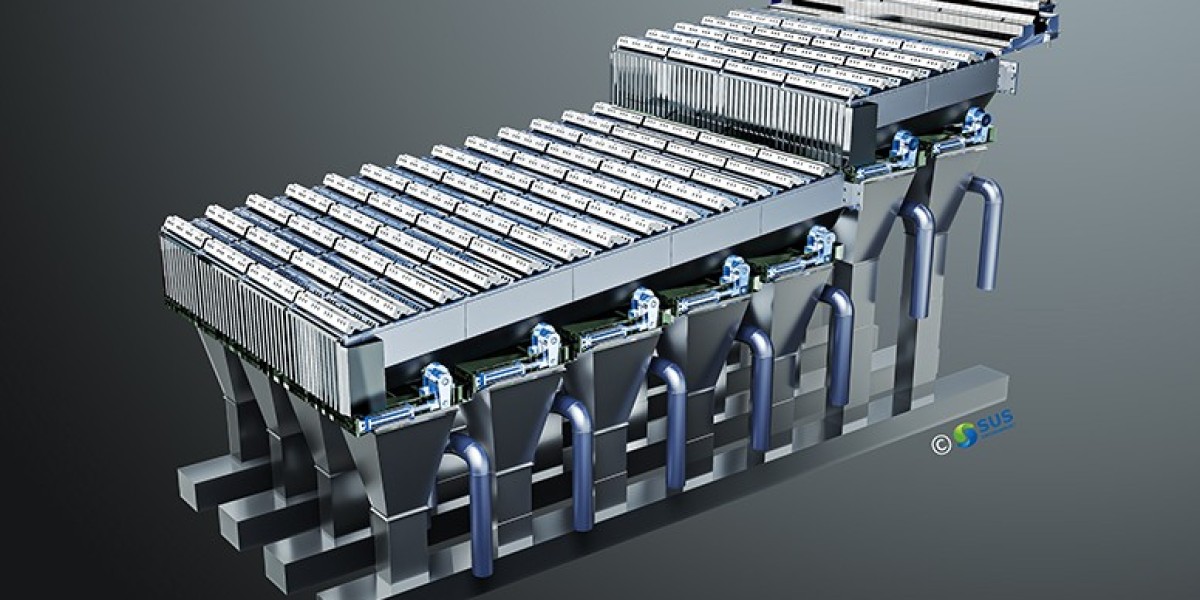

Waste-to-energy solutions are designed to convert certain types of waste into usable energy instead of sending everything directly to a landfill. Depending on the technology and the type of waste, the energy produced can be used to generate electricity, provide heat, or support industrial processes.To get more news about waste-to-energy solutions, you can visit en.shsus.com official website.
At first glance, the idea sounds simple: waste goes in, energy comes out. In reality, a successful waste-to-energy system involves several carefully connected stages, including waste preparation, sorting, treatment, energy recovery, emissions control, and residue management.
What makes this approach interesting is that it treats waste as more than something that needs to disappear. Some waste still contains valuable energy, and waste-to-energy technology provides a way to recover part of that value.
How Does the Process Work?
A typical system begins with the collection and preparation of municipal or industrial waste. Materials that can be recycled may be separated first, while suitable residual waste is prepared for energy recovery.
Thermal treatment is one common approach. In an incineration-based system, prepared waste is burned under controlled conditions. The heat produced can turn water into steam, which drives a turbine connected to an electricity generator. In combined heat and power systems, the recovered heat can also be supplied to nearby buildings or industrial facilities.
Other waste-to-energy technologies use different methods. Anaerobic digestion, for example, is particularly suitable for organic waste. Microorganisms break down the material in an oxygen-free environment and produce biogas, which can then be used for energy generation.
The technology therefore needs to match the waste. There is no single solution that works equally well for every location or waste stream.
Key Features of Modern Waste-to-Energy Systems
One of the biggest advantages is waste volume reduction. Thermal treatment can significantly reduce the amount of residual waste that would otherwise require landfill space. This can be particularly valuable in areas where land is expensive or landfill capacity is limited.
Energy recovery is another major feature. Instead of treating waste only as a disposal cost, a waste-to-energy plant can recover useful energy from materials that are difficult or uneconomical to recycle.
Modern systems also place strong emphasis on emissions control. Advanced filtration and gas-cleaning equipment can remove or reduce pollutants from flue gas before it is released. Continuous monitoring can further help operators maintain stable operating conditions and meet environmental requirements.
Automation is becoming increasingly important as well. Sensors, control systems, and data monitoring can help operators track temperatures, combustion conditions, energy output, and equipment performance. In my view, this is one of the most important improvements in the industry because reliable operation depends on much more than simply having a large furnace or generator.
Why Waste-to-Energy Can Be Useful
Waste-to-energy solutions can offer several practical benefits at the same time. They can reduce dependence on landfill disposal, recover energy, and support a more organized waste management system.
For cities, the value is often found in the combination of waste treatment and local energy production. A plant located close to an urban area can process residual waste while supplying electricity or heat to the surrounding grid or district.
There is also an infrastructure advantage. Waste generation is relatively continuous, which means a properly designed facility can provide a steady feedstock. This differs from some renewable energy sources whose output depends heavily on weather conditions.
However, waste-to-energy should not be viewed as a replacement for recycling or waste reduction. Materials that can be reused or recycled should generally be handled through those pathways first. Energy recovery is most useful for the residual waste that remains after reasonable recycling and recovery efforts.
What Should Buyers Consider?
Choosing a waste-to-energy solution is not simply a matter of selecting the largest available plant. Waste composition, moisture content, local regulations, energy demand, transportation distance, and available infrastructure all matter.
A system designed for relatively dry municipal waste may not perform the same way when handling wet organic material. Similarly, a technology that works well for a large city may be unnecessarily complex for a smaller community.
Operators should also examine maintenance requirements and long-term operating costs. Equipment such as boilers, turbines, conveyors, filters, and gas-cleaning systems must work together reliably. Easy access for inspection and maintenance can make a major difference over the lifetime of the facility.
My View on the Future of Waste-to-Energy
I think the strongest future for waste-to-energy lies in integration rather than isolation. The best systems will not compete with recycling, composting, or waste reduction. Instead, they will become one part of a broader resource-management network.
Better sorting technology, improved emissions control, smarter automation, and more efficient energy recovery can make these systems increasingly practical. At the same time, operators will need to be transparent about emissions, costs, energy efficiency, and environmental performance.
Waste will never disappear completely. Even highly efficient recycling systems leave behind materials that are difficult to recover. Turning some of that remaining waste into useful energy can therefore be a sensible option when the technology is properly selected and responsibly operated.