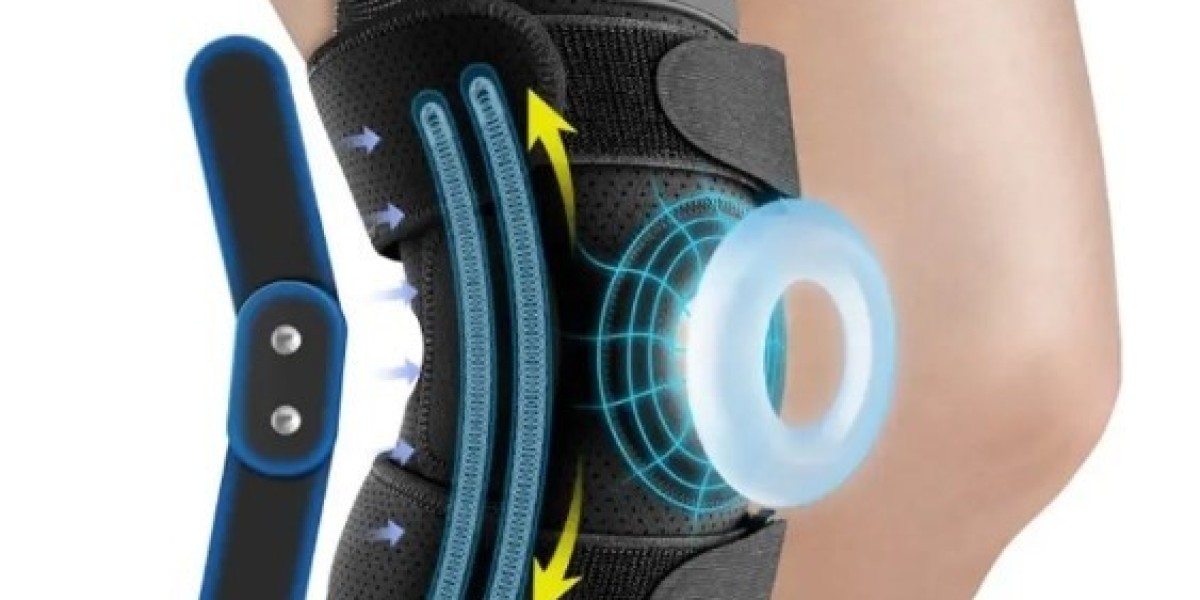

Knee Brace selection should begin with the activity rather than appearance alone. Someone who runs, cycles, lifts weights, plays court sports, or spends long hours standing at work may need a different balance of support and flexibility. Buyers should consider movement patterns, wearing time, fit, material comfort, adjustability, and the reason for using support. These factors can make the selection process more practical for both active and workplace situations.
Start With Your Main Activity
The same support is not necessarily suitable for every situation.
Sports can involve repeated bending, quick direction changes, jumping, running, or sudden stops. Work activities may involve standing, walking, climbing stairs, kneeling, lifting, or moving between different areas throughout the day.
Start by identifying what your knees actually do during normal activity.
For example, a runner may place greater importance on lightweight construction and freedom of movement. Someone working on their feet for extended periods may care more about comfort and secure positioning.
The purpose of use should guide the rest of the selection process.
Consider The Level Of Support
Support products are available with different structures.
A flexible sleeve can suit people looking for light compression and general support during activity. Products with straps or additional reinforcement may provide a more secure feeling when greater control is needed.
More structured designs can be useful for specific stability requirements, but additional structure may also affect flexibility and bulk.
Rather than choosing the strongest-looking option, buyers should match the support level with the actual activity and personal requirements.
If a previous injury or ongoing instability is involved, professional medical advice can help determine what type of support is appropriate.
Think About Movement
Sports often require a wide range of knee movement.
Running, squatting, lunging, jumping, and changing direction can place different demands on the joint. A support that feels comfortable while standing may behave differently during exercise.
Before purchasing, consider whether the design allows the movements required for your activity.
For gym users, this may include deep bends and repeated squats. For court sports, it may involve lateral movement and quick transitions.
The support should stay positioned without unnecessarily interfering with normal movement.
Match Support With Workplace Tasks
Work environments can vary significantly.
A warehouse worker may walk and lift throughout the day. A construction worker may kneel or climb. A retail employee may stand for long periods. An office worker may need support during occasional movement rather than continuous physical activity.
These differences affect what matters during selection.
For extended standing, comfort and stable positioning may receive more attention. For jobs involving frequent bending or kneeling, flexibility and movement range may be more important.
Thinking about the actual work routine helps prevent choosing a product based only on general appearance.
Check The Fit Carefully
Fit is one of the practical factors that should not be overlooked.
A support that is too loose may move during activity, while excessive tightness can create pressure and discomfort.
Buyers should follow the measurement instructions provided for the specific product instead of relying only on normal clothing size.
Some designs may require measurements around the knee, thigh, or calf.
After fitting, check whether the product stays in place during walking, bending, squatting, or other movements relevant to the intended activity.
Pay Attention To Adjustment
Adjustable designs can provide greater flexibility for different users and situations.
Straps allow the wearer to modify positioning according to personal comfort and activity. This can be useful when the support needs to remain secure during movement without feeling excessively tight.
Adjustment should be simple enough to manage before exercise or during a workday.
Buyers should also check whether the fastening system remains stable as the body moves.
A practical adjustment system can make regular use easier.
Consider Breathability
Heat and moisture can affect wearing comfort.
During sports, physical activity can increase sweating. At work, extended standing or movement can also make a support feel warm.
Breathable materials and suitable ventilation can help improve comfort during longer periods of use.
Buyers should consider the environment as well.
Outdoor exercise, indoor training, humid workplaces, and warm climates may create different comfort requirements.
A product that feels comfortable during a short fitting session should also be considered in relation to the expected wearing duration.
Look At Material Comfort
Material choice influences how a support feels against the skin.
Soft inner surfaces may be useful for extended wear, while flexible outer materials can allow more natural movement.
Buyers should also consider seams, edges, fastening areas, and sections that may rub against the skin during repeated movement.
For people wearing support regularly, small comfort details can become more noticeable over time.
This makes material feel an important part of the buying decision rather than simply a visual feature.
Think About Wearing Time
A product worn for thirty minutes during exercise has different comfort requirements from one worn throughout a working shift.
Longer wearing periods make pressure, heat, moisture, and movement more important.
If the support will be worn for several hours, buyers should test whether it remains comfortable after walking, sitting, standing, and bending.
For sports, the focus may instead be on how the product behaves during the full training session.
The expected wearing time should therefore be considered before choosing the structure.
Consider Sports Movement Patterns
Different sports place different movement demands on the knees.
Running involves repeated forward movement. Basketball and similar court activities can include jumping, landing, and direction changes. Weight training may involve controlled bending under load.
The product should therefore be selected according to the movement pattern rather than simply the sport name.
A lightweight design may suit general exercise, while someone with a specific stability requirement may need a more structured option recommended for that purpose.
Think About Workplace Clothing
Work clothing can also influence product selection.
If the support is worn underneath trousers or workwear, thickness and fastening position may become important.
A bulky design may feel uncomfortable if clothing is tight around the knee. A lower-profile option may be easier to integrate into everyday workwear.
Buyers should consider whether the product will be worn directly against the skin or over a suitable clothing layer, while following the product instructions for correct use.
Check Whether It Stays In Place
Movement can cause some supports to shift.
During sports, slipping can become distracting and may affect confidence in the product. During work, repeated adjustment can also become inconvenient.
After putting the support on, walk, bend, squat, or perform a few normal movements.
Pay attention to whether it rolls, slides downward, rotates, or creates pressure in one particular area.
A secure fit should feel stable without creating unnecessary restriction.
Consider Ease Of Use
A support intended for regular use should be simple to put on and remove.
This is particularly relevant for workers who may need to wear it before a shift and remove it afterward.
Sports users may also want a design that can be adjusted quickly before training.
Complicated fastening systems can become inconvenient when used frequently.
Simple operation, clear positioning, and easy adjustment can make a product more practical for everyday routines.
Think About Maintenance
Sports and workplace equipment can be exposed to sweat, dust, and repeated handling.
Before purchasing, buyers can check the recommended cleaning method and drying instructions.
Materials should be maintained according to the product guidance to help preserve their condition.
It is also sensible to inspect the support periodically for worn straps, damaged seams, stretched material, or other signs of deterioration.
Regular inspection is particularly relevant when the product is used frequently.
Know When Professional Advice Is Needed
A support product is not a substitute for medical assessment.
If the knee has significant pain, swelling, repeated giving way, locking, or a recent injury, buyers should consider speaking with a qualified healthcare professional before selecting or using a support.
The appropriate structure can depend on the underlying condition.
Professional advice can also be useful after surgery or during rehabilitation, when the timing and type of support may form part of a broader recovery plan.
Compare Sports And Work Requirements
When choosing between several options, create two simple lists.
For sports, consider movement, stability, weight, breathability, and secure positioning.
For work, consider wearing time, comfort, flexibility, clothing compatibility, and ease of adjustment.
Some products may work across both situations when their design provides a suitable balance.
However, a person with very different sports and workplace demands may prefer separate options for each activity.
Consider Your Personal Routine
Personal habits can make a difference.
Someone who trains several times a week may need a support that can tolerate repeated use and regular cleaning. Someone who only needs occasional assistance at work may prioritize simple fitting and comfortable daily wear.
Think about how often the product will be used, where it will be worn, and how much movement will occur.
A product should fit into the users routine rather than requiring major changes to normal activity.
Review Product Information
Before buying, check the available product information carefully.
Look at the intended use, sizing method, materials, adjustment method, cleaning instructions, and support structure.
If any part of the product description is unclear, ask the supplier for clarification before making a purchasing decision.
Clear information can help buyers compare products using practical criteria instead of relying only on photographs or promotional language.
Why Product Selection Matters For Active Users
The right support should correspond with the actual demands placed on the knee.
For sports, this may mean allowing natural movement while providing the desired level of support. For work, it may mean remaining comfortable through extended standing, walking, bending, or other repeated tasks.
There is no need to select a highly structured design simply because it looks more substantial.
A suitable choice is one that matches the intended activity, fit, comfort, and support requirements.
How Steriger Supports Sports And Work Needs
Steriger provides knee support options for users with different activity requirements.
Buyers can consider product structure, sizing, materials, adjustment, movement, and wearing conditions when comparing suitable options for exercise or workplace use.
The focus is on matching product characteristics with real usage situations rather than treating every user in the same way.
For active users, this can make the purchasing process easier to organize and compare.
Choosing support for sports and work should be based on actual movement, wearing time, fit, comfort, and support requirements. A runner, gym user, warehouse worker, and office employee may have very different needs even though they are all looking for knee support.
Buyers should consider activity type, support structure, flexibility, adjustment, breathability, materials, sizing, positioning, maintenance, and workplace or sports conditions. When pain or an existing injury is involved, professional medical advice should also be considered before use.
Steriger offers options for users comparing support products for active lifestyles and workplace routines, with attention to practical factors such as fit, movement, comfort, and everyday use.For buyers reviewing available knee support products, the Steriger product range can be viewed here https://www.steriger.com/product/